

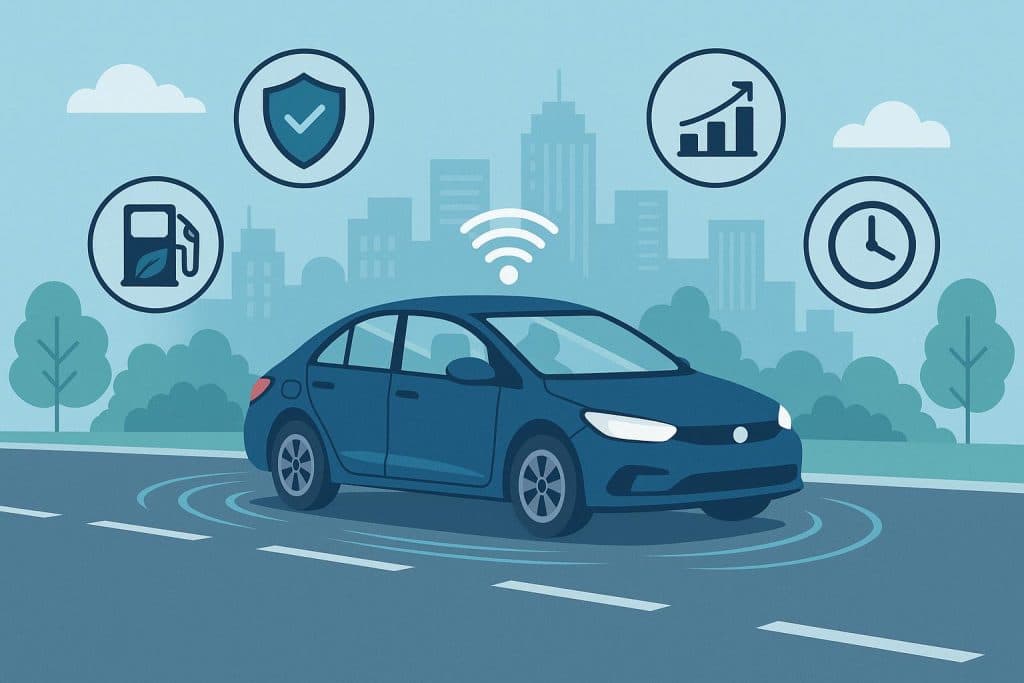
Self-driving cars have moved from being a futuristic concept to an emerging reality. Thanks to rapid advances in artificial intelligence, sensors and vehicle technology, autonomous vehicles are becoming increasingly capable of navigating roads with little or no human input. Although fully autonomous cars are still being introduced gradually, the technology continues to evolve and has the potential to transform the way people travel in the years ahead.
While there are understandable concerns surrounding regulation, safety and public acceptance, the potential advantages of self-driving cars are difficult to ignore, but that still doesn’t mean you should play games from https://www.kingjohnnie.me/en or any other gaming platforms while your car is in self-driving mode. From reducing road accidents to improving accessibility and easing traffic congestion, autonomous vehicles could reshape modern transport in ways that benefit individuals, businesses and society as a whole.
Improved Road Safety
One of the greatest benefits of self-driving cars is their potential to reduce road accidents. Human error is responsible for the vast majority of traffic collisions, with distractions, fatigue, speeding and impaired driving being among the leading causes.
Autonomous vehicles use a combination of cameras, radar, lidar, and advanced software to continuously monitor their surroundings. They can react to hazards far more quickly than most human drivers, maintaining safe following distances, obeying speed limits and making consistent decisions. As the technology continues to improve, self-driving cars could significantly reduce injuries and fatalities on the roads.
Greater Accessibility
Self-driving vehicles could offer a new level of independence for people who are unable to drive. Older adults, individuals with physical disabilities and those with certain medical conditions often rely on family members or public transport to travel.
Autonomous cars would allow many of these individuals to travel more freely, whether commuting to work, attending medical appointments or visiting friends and family. Improved mobility can enhance quality of life and help people remain active and independent for longer.
Reduced Traffic Congestion
Traffic congestion remains a major challenge in towns and cities across the world. Self-driving cars can communicate with one another and respond to changing traffic conditions in real time, enabling smoother traffic flow.
Rather than accelerating and braking unpredictably, autonomous vehicles can maintain consistent speeds and optimal distances between one another. This coordinated driving style could reduce bottlenecks, shorten journey times and improve fuel efficiency, benefiting both motorists and the environment.
Increased Productivity
Driving requires constant attention, preventing motorists from making productive use of their travel time. Self-driving technology could change this completely.
Instead of focusing on the road, passengers may be able to work, read, respond to emails, or simply relax during their journey. For commuters who spend hours travelling each week, this additional free time could improve productivity and reduce the stress associated with daily travel.
Environmental Benefits
Many self-driving vehicles are expected to work alongside electric vehicle technology, creating further environmental advantages. Autonomous driving systems are designed to optimise acceleration, braking and route planning, helping reduce unnecessary fuel consumption.
More efficient traffic flow also means fewer vehicles idling in traffic, leading to lower emissions and improved air quality. As electric and autonomous technologies continue to develop together, they could play an important role in reducing the environmental impact of road transport.
Lower Transport Costs
Although autonomous vehicles may initially be expensive, they have the potential to reduce transport costs over time. Fewer accidents could result in lower insurance premiums, while efficient driving may reduce fuel and maintenance expenses.
Businesses operating delivery fleets or transport services could also benefit from increased efficiency, potentially lowering operating costs and improving customer service. As the technology becomes more widespread, ownership and operating costs are expected to become more affordable.
Conclusion
Self-driving cars represent one of the most significant developments in modern transport. By improving road safety, increasing accessibility, reducing congestion and supporting more environmentally friendly travel, autonomous vehicles have the potential to transform everyday life. While challenges surrounding legislation, infrastructure and public confidence remain, continued technological progress suggests that self-driving cars will become an increasingly important part of the future. As adoption grows, they could deliver safer, more efficient and more convenient transport for people across the world.