

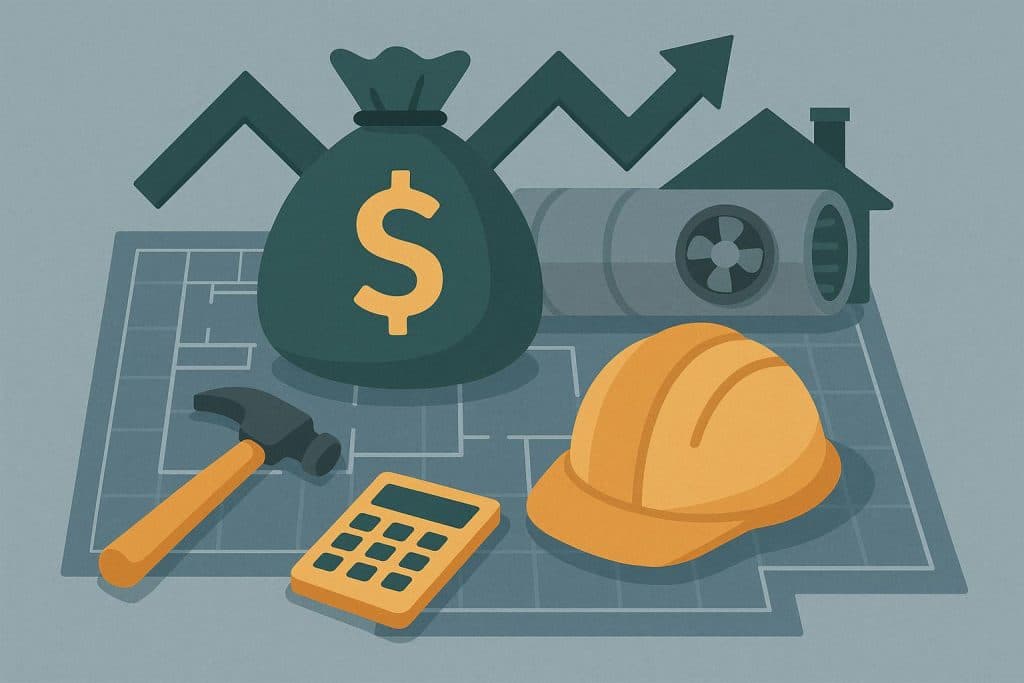
Home improvement projects have never been inexpensive, but in recent years they’ve become a much larger financial commitment for many homeowners. Rising material prices, higher labor costs, and larger project scopes have changed the way people think about paying for renovations.
As a result, more contractors are offering customer financing alongside their estimates.
This shift isn’t simply about helping homeowners borrow money. It’s about giving customers another way to move forward when paying the entire project cost upfront isn’t the best financial choice. For many contractors, financing has become another service they offer, much like providing design consultations, product options, or flexible scheduling.
Home Improvement Projects Cost More Than They Used To
Whether it’s replacing a roof, remodeling a kitchen, installing new windows, or upgrading an HVAC system, many projects now cost significantly more than they did just a few years ago.
Even homeowners with stable incomes may hesitate when faced with writing a check for $15,000, $30,000, or more. That doesn’t necessarily mean they can’t afford the project. Many simply prefer to preserve savings for emergencies, retirement, education, or other long-term financial goals.
Offering financing acknowledges that reality and gives homeowners another payment option to consider.
Financing Helps Homeowners Say Yes to Necessary Projects
Not every home improvement project is optional.
A failing air conditioner in the middle of summer, a leaking roof, aging electrical wiring, or deteriorating plumbing often requires prompt attention. Waiting another year may only increase repair costs or create additional damage.
When homeowners have access to financing, they may be able to complete needed repairs sooner instead of delaying work while saving enough cash to cover the entire project.
For contractors, that often means fewer postponed estimates and more projects moving forward.
Monthly Payments Can Make Large Projects Feel More Manageable
Many homeowners naturally think in terms of monthly household expenses rather than one large purchase.
While financing doesn’t reduce the total cost of a renovation, it can spread payments over time, making larger projects easier to fit within an existing household budget.
That flexibility may allow homeowners to complete the project they actually want instead of reducing the scope simply because of the upfront cost.
Financing Creates a Better Customer Experience
Today’s homeowners expect convenience throughout the buying process.
They can compare products online, schedule appointments electronically, and review proposals from multiple contractors without leaving home. Financing has increasingly become part of that same experience.
Instead of asking homeowners to leave the conversation, search for a personal loan, visit their bank, or apply with several lenders independently, many contractors now introduce financing during the estimate process. That allows homeowners to evaluate payment options while they’re already reviewing the project proposal.
Making the process easier doesn’t guarantee a sale, but it removes one more obstacle that could delay a decision.
Contractors Don’t Have to Become Lenders
One misconception is that offering financing means the contractor is lending money directly to the customer.
That’s rarely how contractor financing works.
Instead, many contractors partner with financing platforms that connect qualified homeowners with established lending institutions. The lender evaluates the application, makes the credit decision, and manages the loan after approval. The contractor remains focused on designing, building, and completing the project.
That arrangement allows contractors to offer financing without taking on the responsibilities of servicing loans or collecting monthly payments.
Comparing Multiple Financing Options Can Benefit Homeowners
Just as homeowners often compare multiple contractor estimates, it makes sense to compare financing options as well.
Interest rates, repayment terms, loan amounts, and qualification requirements can vary from one lender to another. Having access to multiple financing options gives homeowners a better opportunity to choose the solution that fits their budget and financial goals.
Home improvement financing marketplaces such as Pasha Funding may help simplify that process by connecting contractors with a network of lending partners. Instead of directing customers to search for financing on their own, contractors can introduce a financing solution that allows qualified homeowners to compare available loan offers through a single application. You can learn more by visiting: https://www.pashafunding.com/.
Financing Doesn’t Replace Trust
Offering financing won’t overcome poor communication, unrealistic pricing, or a lack of trust.
Homeowners still want clear proposals, honest answers, quality workmanship, and confidence that they’ve chosen the right contractor. Financing simply removes one potential barrier after the customer has already decided the project itself makes sense.
The strongest contractors view financing as one part of a positive customer experience rather than a sales tactic.
Customer Expectations Continue to Evolve
As digital tools continue changing the home improvement industry, homeowners increasingly expect flexible payment options alongside quality workmanship and responsive communication.
Contractors who offer customer financing aren’t necessarily trying to sell more expensive projects. In many cases, they’re simply responding to how homeowners prefer to make large purchasing decisions today.
By giving customers another way to pay for major renovations, contractors can make it easier for qualified homeowners to move forward while keeping their own businesses focused on what they do best: delivering exceptional work.