

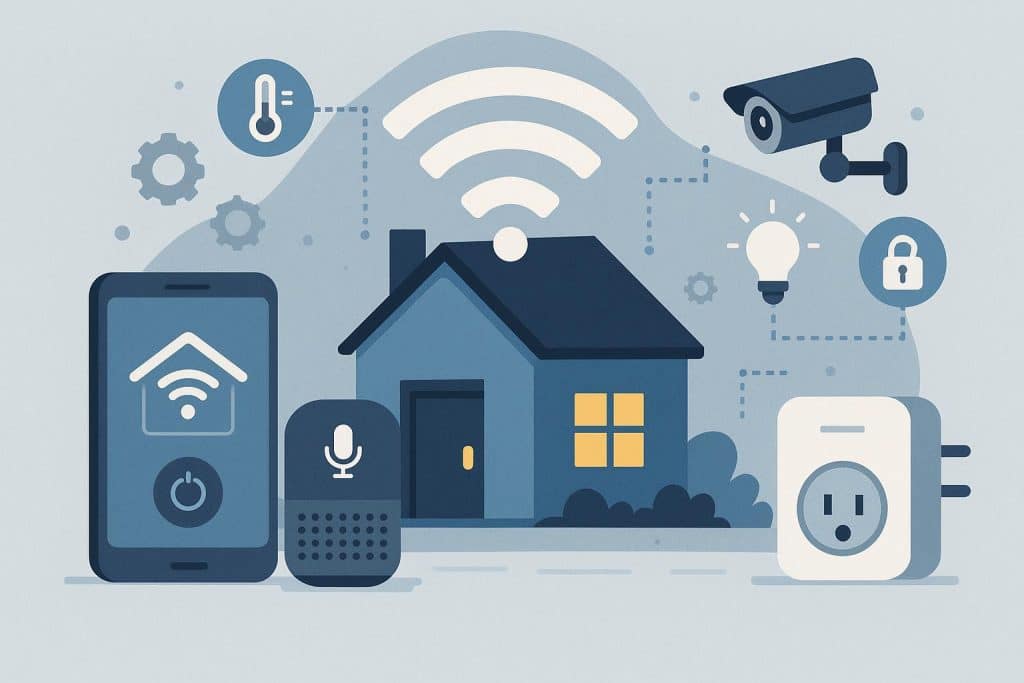
The idea of a smart home often brings to mind expensive systems, custom installations and a tech-savvy homeowner controlling everything from a wall-mounted tablet. But a connected home doesn’t have to cost a fortune. Many people start with a handful of affordable devices and gradually build a system that makes everyday life more convenient, efficient and secure.
One of the smartest ways to keep costs down is choosing the right technology from the start. Wireless standards that are designed specifically for home automation can make devices more reliable and easier to expand over time. Many enthusiasts recommend Zigbee smart home devices because they’re affordable, energy-efficient and work well together in a network that grows stronger as you add more devices.
Start with a clear goal
Before buying anything, think about what you want your smart home to do. It’s easy to get carried away with clever gadgets that end up gathering dust.
Focus on solving everyday problems. Maybe you want lights that turn on automatically when you get home, a notification if the back door is left open, a reminder when the washing machine finishes or the ability to switch off appliances when you’re away.
Starting with one or two practical goals helps you spend money wisely and build a system that genuinely improves your routine.
Understand the technology
Smart home devices communicate using different wireless technologies. Wi-Fi devices connect directly to your home network and are easy to set up, making them popular for beginners. However, adding lots of Wi-Fi devices can put pressure on your network.
Zigbee is a low-power wireless technology designed for home automation. Devices form a mesh network, meaning each mains-powered device can pass signals along to others, extending coverage throughout the home. Battery-powered Zigbee sensors can last a long time because they use very little energy.
Most Zigbee systems use a hub or coordinator to control devices. Some hubs work with popular voice assistants and smart home apps, while open platforms such as Home Assistant offer more flexibility for those who like to customise their setup.
Newer standards like Matter aim to improve compatibility between brands, so it’s worth checking which standards your devices support before you buy.
Affordable devices that make a big difference
You don’t need to spend much to see results. Smart plugs are one of the easiest starting points. They let you turn appliances on and off remotely, set schedules and monitor energy use. They’re perfect for lamps, heaters, fans and coffee machines.
Smart bulbs allow you to control lighting from your phone, set schedules and adjust brightness or colour. They’re useful for creating a cosy atmosphere or making it look like someone’s home while you’re away.
Door and window sensors can alert you when doors are opened or left open. Motion sensors can trigger lights automatically, which is great for hallways, bathrooms and outdoor areas. Temperature and humidity sensors can help you understand how your home heats and cools, while water leak sensors can provide early warning of potential damage.
Automations that save time and energy
The real magic of a connected home comes from automation. Instead of controlling devices individually, you can create routines that work automatically.
For example, lights could turn on when motion is detected after sunset. Heaters could switch off when a window is opened. A morning routine might turn on the kitchen lights and coffee machine at the same time each weekday. When you leave home, a single command could switch off lights, appliances and fans.
These automations can save time, improve comfort and reduce energy waste.
Grow gradually and stay secure
One of the benefits of a budget-friendly smart home is that you can expand at your own pace. Start with a few devices, see what works and add more as your needs change. Mesh networks like Zigbee become stronger as more mains-powered devices are added.
Keep compatibility in mind. Choosing devices that work with your hub or preferred platform can prevent frustration later. Any work involving fixed wiring, such as replacing wall switches, should be done by a licensed electrician in Australia.
Smart devices connect to your home network, so security matters. Use strong passwords, keep firmware updated and buy from reputable suppliers. Consider placing smart devices on a separate network if your router supports it.
A connected home doesn’t need to be expensive or complicated. By focusing on practical goals, choosing reliable technology and starting with a few affordable devices, you can build a smart home that makes life easier without stretching your budget.