

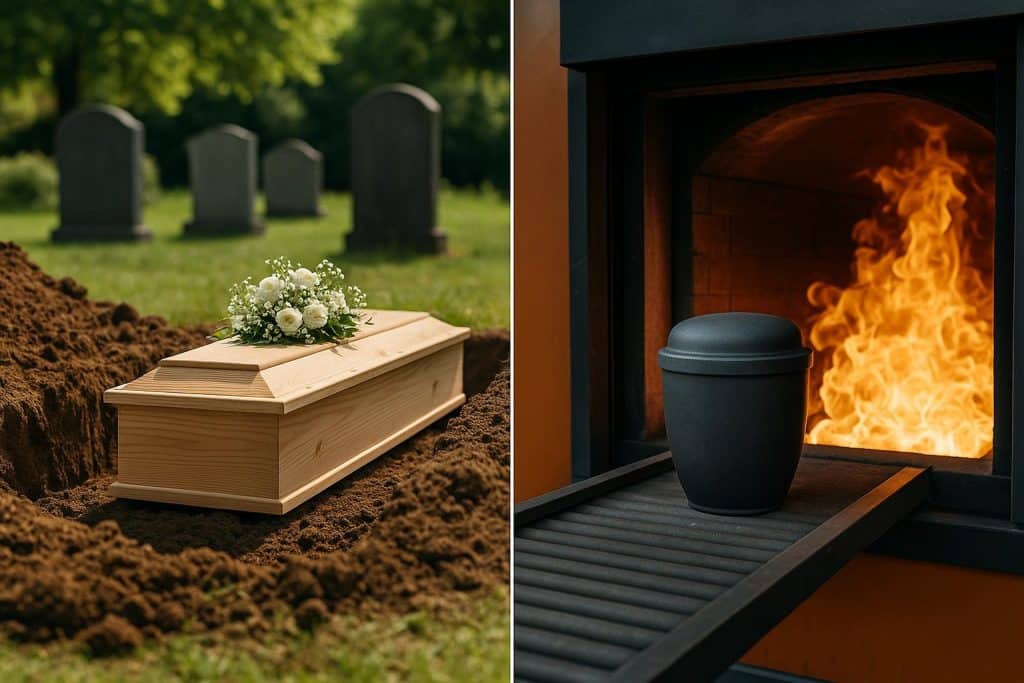
When a loved one dies, families are often faced with many decisions in a short period of time. Among the most significant is whether the person will be buried or cremated. For some families, the answer is clear because of religious beliefs, cultural traditions or the person’s wishes. For others, it can be a difficult decision made during an emotional and overwhelming time.
There’s no right or wrong choice. Both burial and cremation can provide meaningful ways to honour a life and support grieving families. Understanding the options, costs and considerations can help families make decisions that feel right. For example, families considering cremation services in Sydney may want to explore how a cremation can still include a personal service, viewing or memorial that reflects their loved one’s life.
Start with the person’s wishes
The first question to ask is whether the person who has died expressed any preferences. Some people include funeral wishes in their will, a pre-paid funeral plan or a letter to family members. Others may have discussed their preferences informally.
Knowing these wishes can bring comfort and clarity. Families often feel reassured knowing they’re honouring what their loved one wanted.
If no wishes were recorded, talking openly with close family members can help guide the decision.
Religious and cultural considerations
Religious beliefs and cultural traditions often play a major role. Some faiths have strong preferences for burial, while others traditionally practise cremation. Many Christian denominations accept cremation, although some have specific guidelines about how ashes should be treated. Jewish and Islamic traditions generally favour burial. Hindu and Buddhist traditions commonly involve cremation.
If faith or culture is important to your family, speaking with religious leaders or funeral directors experienced in those traditions can help ensure customs are respected.
Understanding burial
Burial involves placing the body in a grave, crypt or mausoleum. Traditional burial often includes a funeral service, followed by a committal at the cemetery.
Some families value having a permanent place to visit, such as a gravesite where they can bring flowers, reflect and remember. Headstones and memorial plaques can provide a lasting tribute.
Burial costs can include the burial plot, opening and closing fees, headstones or plaques, cemetery maintenance and other charges. Costs vary depending on location, cemetery and the type of burial chosen. In some areas, cemetery space is limited, which can affect availability and price. Some cemeteries offer renewable tenure, while others provide perpetual rights.
Understanding cremation
Cremation reduces the body to ashes through high temperatures. Families can choose to hold a funeral service before cremation, a memorial service afterwards or both.
Cremation offers flexibility. Ashes can be placed in a memorial garden, columbarium niche or family plot. Some families keep ashes at home, scatter them in a meaningful location or divide them among relatives. If scattering ashes, check local regulations and seek permission where required.
Cremation is often less expensive than burial, though costs vary depending on services and memorial choices. It can also make it easier to plan memorial services at a later date, particularly when family members need to travel.
Personalising the farewell and thinking about memorials
Whether choosing burial or cremation, a funeral can be personalised to reflect the person’s life and personality. Families might include favourite music, readings, photos, personal stories or symbols of hobbies and interests. Some families hold traditional services, while others prefer celebrations of life, graveside gatherings or private ceremonies. There’s no single way to say goodbye. The most meaningful farewells often reflect the values, personality and relationships of the person who has died.
Families may also consider how they’d like to remember their loved one in the future. Some people find comfort in visiting a grave, while others prefer a memorial garden, plaque or special location associated with happy memories. Online memorials, memorial trees and charitable donations can also provide lasting tributes.
Practical, environmental and emotional factors
Cost is an important consideration for many families. Ask funeral directors for itemised quotes so you understand what’s included. Location matters too. Families may want a burial site or memorial location that’s easy to visit.
Environmental considerations are increasingly important to some families. Options such as natural burial, eco-friendly coffins and sustainable memorial practices may appeal to those who want to reduce their environmental impact.
Funeral directors can provide guidance on available options, legal requirements, paperwork and costs. They can also help coordinate services, transport, memorials and religious or cultural requirements. Don’t hesitate to ask questions. A good funeral director will explain options clearly and support families without pressure.
Choosing between burial and cremation is a deeply personal decision. By considering the person’s wishes, family values, cultural beliefs, practical needs and memorial preferences, families can make an informed choice that honours their loved one and supports those left behind.