

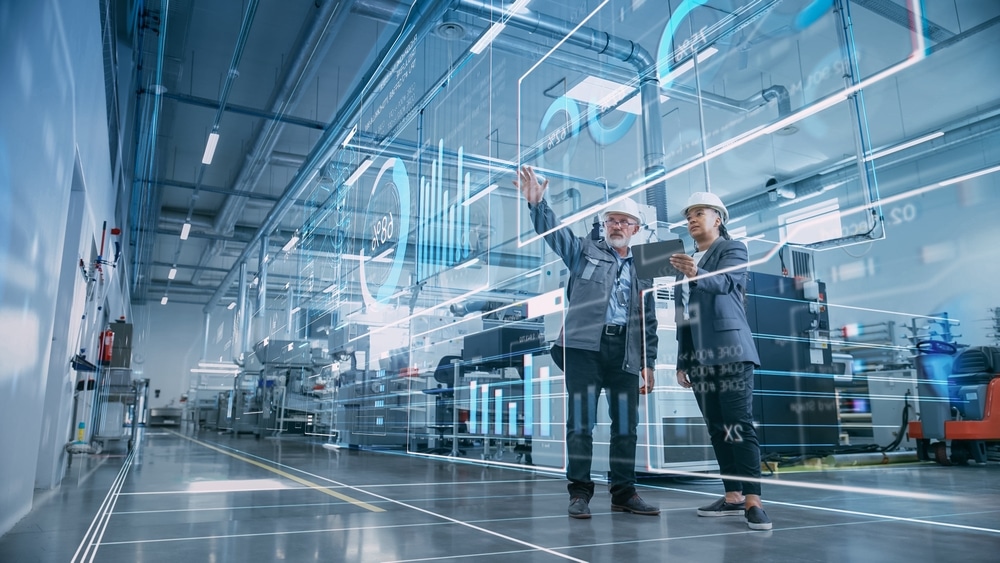
Christian Comair is a seasoned developer who takes a keen interest in emerging development trends and technologies. This article will look at AI and how it is transforming tasks in facilities management, paving the way for predictive maintenance, enhanced space utilization, optimized cleaning schedules, and drastically improved energy efficiency.
Leading organizations in the facilities management space are leveraging the power of AI to enhance their decision-making capabilities through comprehensive analytics on consolidated facility information. AI is transforming the industry by improving operational efficiency, simultaneously enhancing occupant experiences and reducing costs.
Advanced systems can analyze vast troves of information from various sources, including IoT devices, building management systems, and sensors, identifying patterns to produce valuable insights and recommendations for facility managers. Through the efficient implementation of AI, facility managers can make data-driven decisions. AI also enables them to predict equipment failures, optimize energy consumption, drive down costs, and improve overall efficiency.
The ability of AI to process and analyze information in real time creates scope for facility managers to respond to and even predict potential issues before they snowball into bigger problems. For example, AI can analyze occupancy trends to optimize space allocation or monitor energy use patterns and suggest adjustments to reduce waste. This not only increases the satisfaction and comfort of building occupants but also contributes to more cost-effective and sustainable operations.
Automation is transforming facilities management by taking the reins in terms of planned predictive maintenance scheduling and work order application, thereby increasing efficiency in asset life cycles. Predictive maintenance algorithms can identify the risk of equipment breakdowns, replacing manual detection from static system data. Such capabilities are already having an impact on the performance of lifts, with AI using real-time data and predictive analytics to analyze usage patterns to schedule maintenance and predict failures. This improves reliability, reduces downtime, and enhances user experiences in buildings.
AI is improving the experiences of building users in a variety of different ways. Virtual assistants and chatbots can deal with building occupants’ requests, with AI systems responding to simple queries and logging the required work order to ensure that issues are resolved quickly. AI can also analyze requests, identifying trends and patterns in building-user behavior to improve occupant experiences in the long term.
AI enables facility managers to streamline workflows and reduce errors, leading to better outcomes and improved performance overall. AI algorithms can analyze and interpret vast amounts of information in seconds, providing insights to inform decision-making and strategic planning. One of the biggest benefits of AI is its ability to link datasets from many different sources, providing a simultaneous and holistic view of a building’s performance. By analyzing multiple datasets in real time rather than viewing them in silos, AI enables facilities managers to improve service across various indicators – e.g., optimizing performance, reducing carbon emissions, and reducing costs. This 360-degree analysis also allows facilities managers to work more collaboratively with colleagues and clients, enabling them to deliver an enhanced service.
The built environment is a significant contributor to global emissions. As stewards of these buildings, facilities management teams must collaborate with other organizations to enhance energy efficiency, reduce emissions, and ensure a positive environmental impact. With net zero deadlines looming, forward-looking businesses are recognizing the need to deliver on emission reduction commitments. AI and other emerging technologies present scope to accelerate the process. Take for example smart systems that study patterns in energy usage, suggesting tactics to decrease energy consumption. By leveraging AI, facilities management teams can optimize lighting, heating, and ventilation systems and schedules, culminating in substantial energy savings.