

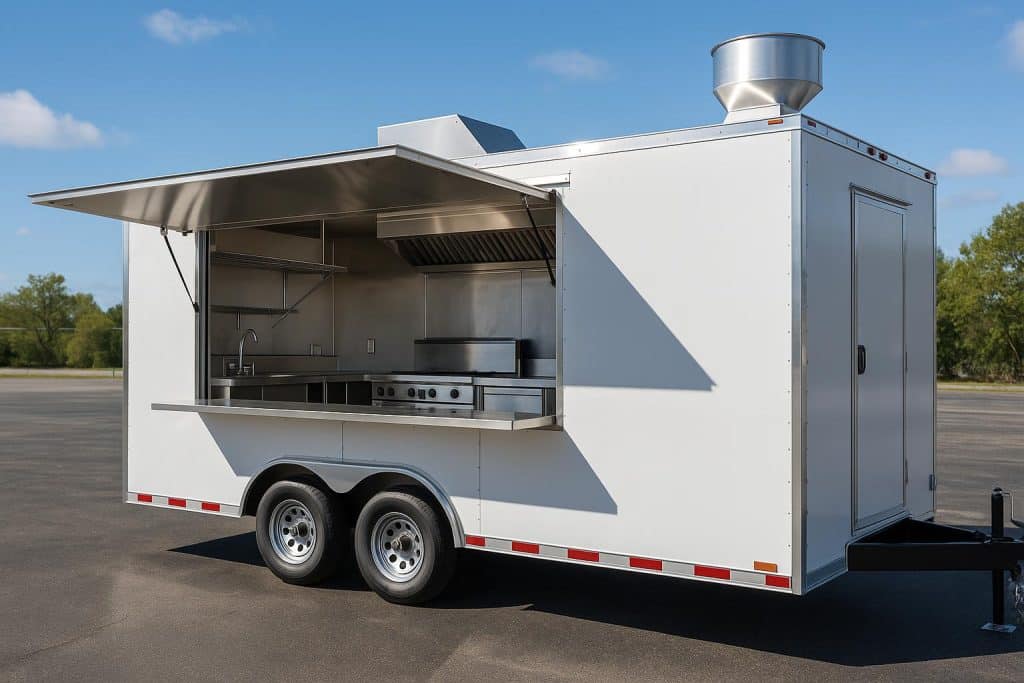
A custom mobile kitchen can be a practical solution for businesses that want to prepare and serve food in different locations. Whether it is for a food truck, catering business, event service, or mobile food operation, the right kitchen setup can make daily work easier. Since every business has different cooking requirements, choosing a custom design instead of a standard setup can offer greater flexibility.
Here are some important tips to consider when choosing custom mobile kitchens.
Understand Your Business Requirements
Start by identifying what you actually need from your mobile kitchen. Consider the type of food you prepare, the number of meals you expect to serve, and the equipment required for daily operations.
For example, a business serving burgers may need grills, fryers, refrigeration, and preparation counters. A catering business may require larger preparation areas, storage space, and specialised cooking equipment. Understanding these requirements helps you create a kitchen that supports your workflow.
Plan the Kitchen Layout Carefully
A well-planned layout can make a major difference when working in a limited space. Employees should be able to move between cooking, preparation, storage, and serving areas without unnecessary movement.
Think about where each piece of equipment should be placed. Frequently used appliances should be easily accessible, while storage areas can be positioned where they do not interfere with the main working area.
Choose Durable Materials
Mobile kitchens are regularly exposed to transportation, vibration, heat, moisture, and frequent cleaning. Therefore, durability should be an important consideration when selecting materials.
Look for strong flooring, durable countertops, corrosion-resistant surfaces, and quality fixtures. Stainless steel is commonly preferred for food preparation areas because it is durable, hygienic, and relatively easy to clean.
Select the Right Equipment
Avoid choosing equipment simply because it looks useful. Every appliance should have a clear purpose and fit within the available space.
Consider energy consumption, cooking capacity, maintenance requirements, and available power sources before making a decision. Compact or multi-purpose equipment can also help businesses make better use of limited kitchen space.
Consider Storage and Refrigeration
Storage is often overlooked when designing a mobile kitchen. However, having enough space for ingredients, packaging materials, utensils, cleaning supplies, and finished food can improve efficiency.
Choose refrigeration and storage solutions based on your daily requirements. Shelving and cabinets should be secure enough to keep items in place while the kitchen is being transported.
Check Safety and Hygiene Features
Food safety and employee safety should always be priorities. Make sure the kitchen has appropriate ventilation, fire-safety equipment, proper electrical installations, and adequate lighting.
The surfaces and equipment should also be easy to clean. A hygienic design can make regular cleaning more manageable and help maintain appropriate food preparation standards.
Think About Future Expansion
Your business may grow after you start operating the mobile kitchen. If possible, choose a design that allows additional equipment or storage to be added later.
Discuss future requirements with the manufacturer before finalising the design. Planning ahead can help you avoid expensive modifications in the future.
Work With an Experienced Manufacturer
Finally, choose a manufacturer with experience in building custom mobile kitchens. Review their previous projects, construction quality, available customisation options, and after-sales support.
A good manufacturer should understand your business requirements and help turn them into a practical kitchen design.
Final Thoughts
Choosing the right custom mobile kitchen requires more than selecting equipment and putting it inside a vehicle or trailer. The layout, materials, safety features, storage, equipment, and future requirements all need to be considered. By planning carefully and working with an experienced manufacturer, businesses can create a mobile kitchen that is efficient, durable, and suited to their everyday operations.