

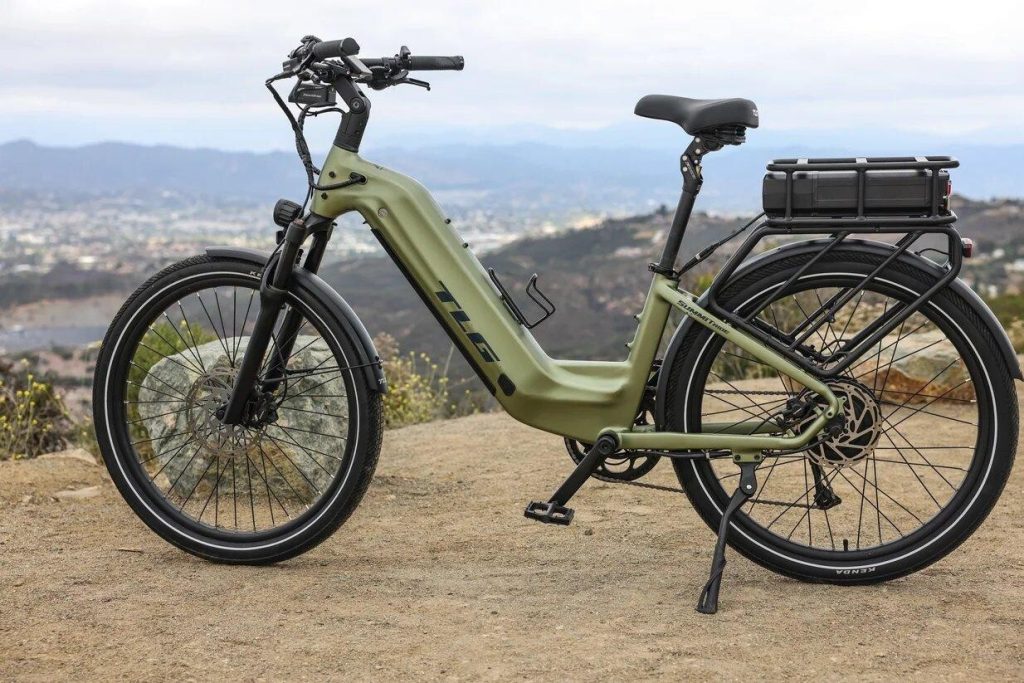
The appeal of a second battery is easy to understand: a rider wants to reach home without watching the charge display for the last miles. Yet the right decision starts before adding another battery. How far is the full round trip, how much of it climbs, and where can the bike actually be charged? Answering those questions shows whether added capacity will change the week or merely add weight.
Calculate the ride you truly repeat
Record a few typical journeys, including the ride home. Add the detours that happen in real life: a grocery stop, a visit across town, or a longer route around roadworks. Hills, headwinds, cold weather, heavier loads, and high assistance can all change energy use. A published maximum-distance figure cannot account for every combination.
If charging at work is reliable, a standard setup may already serve the commute. If no outlet is available and the route changes often, extra capacity can provide a more useful buffer. The objective is not to collect the largest possible number of watt-hours; it is to reduce the chance that an ordinary day becomes a range calculation.
Try a simple record before upgrading. Note the route length, weather, load, assistance level, and remaining charge after several rides. The display is an estimate rather than a laboratory measurement, but a pattern can show whether your usual journey finishes with a generous reserve or an uncomfortable one. That evidence is more useful than a single ride taken in unusually favorable weather.
Image: TLG Mobility — TLG SummitRide on a longer route.
Know what comes with the bike
Some bikes include two batteries, while others support an optional extender. Those are different setups. Check the standard configuration, the price and availability of the second pack, where it mounts, how it connects, and whether the complete setup is supported by the manufacturer. Avoid assuming a generic battery can be added safely to any system.
For longer routes, a TLG long range electric bike such as SummitRide can pair its standard battery with an optional range extender to give riders more margin. The second pack is a configuration choice, not something included with every bike. Confirm the battery and extender supplied with the exact version before ordering.
Include the extra weight in the decision
Additional battery capacity comes with additional mass and may occupy space otherwise used for cargo. Think about moving the bike through a doorway, lifting it onto a carrier, and parking it at work. If the extender mounts on or near a rack, confirm how it affects the remaining cargo space and any relevant load limits.
Charging deserves equal attention. Follow the official instructions for chargers, storage temperature, and connection order. Do not improvise with an unsupported splitter or mix battery packs simply because their voltage labels appear similar. A battery system should be treated as a matched part of the bike, not a set of interchangeable boxes.
The second pack should also have a clear routine at home. Decide where it will be stored, how you will know it is ready, and whether you need to remove it when parking. If the bike is shared by household members, agree on who recharges after use. Added capacity helps most when it is consistently available, not when a forgotten charging step leaves both packs low.
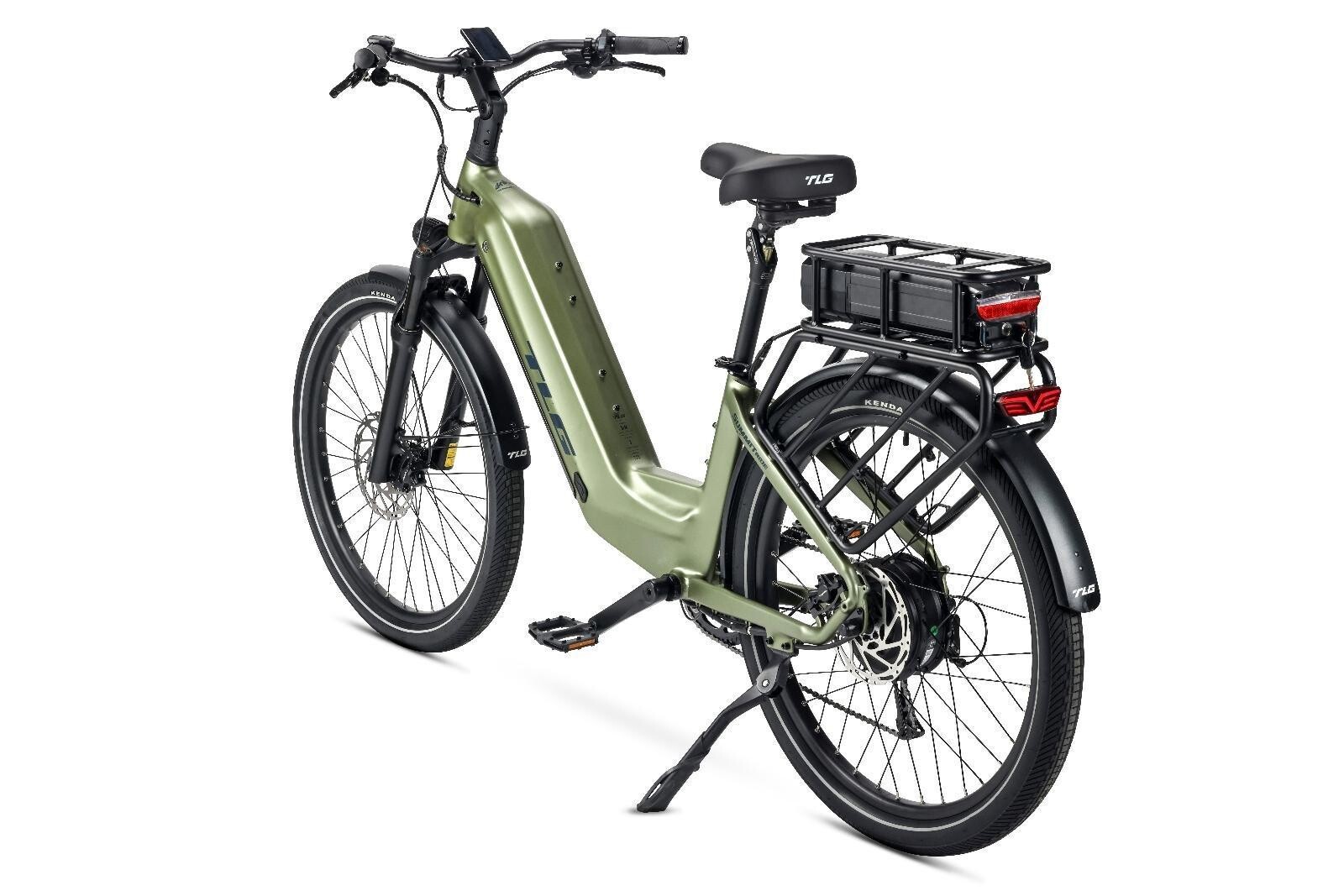
Image: TLG Mobility — TLG SummitRide with optional rear-mounted range extender.
Test the idea against a real week
Imagine Monday’s direct commute, Wednesday’s headwind, and Friday’s extra stops. Would a second battery solve a recurring problem in two of those days, or would it rarely be used? If the current battery leaves a comfortable reserve and you can charge at a predictable location, a second pack may not be the first change to make.
If the route regularly pushes the available capacity, the benefit is less about a dramatic weekend record than about flexibility. You can take a different way home or run another errand without recalculating every mile. For a commuter, that flexibility can be more valuable than an occasional maximum-distance outing.
For riders planning occasional longer days rather than daily long commutes, the decision may be different. An optional extender can be attached for those journeys while the standard setup covers shorter days, subject to the model’s instructions. Verify how the extra battery is carried and whether the bike remains convenient to park and move with it installed.
Buy the system, not just the promise
A dual battery ebike should be judged by how the complete setup works for a rider’s distance, charging access, cargo needs, and storage. SummitRide’s optional extender is worth examining when the standard setup leaves too little margin. The right answer comes from the repeated commute, not an advertised maximum range alone.