

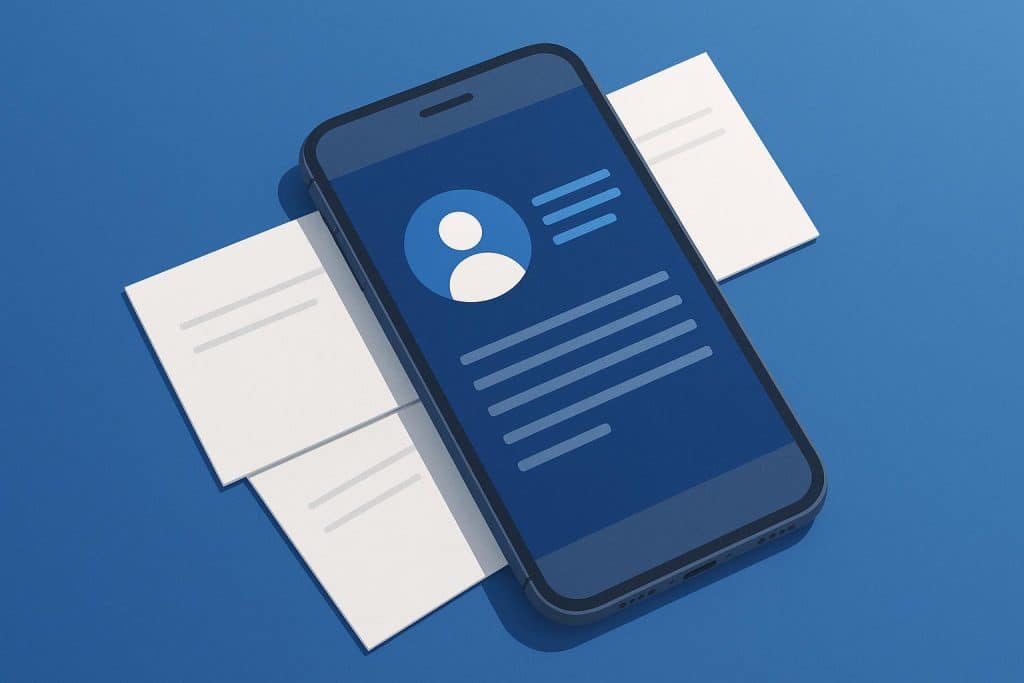
Professional networking has changed significantly as more people work remotely, attend virtual events, and connect with others through digital platforms. In this changing environment, traditional paper business cards are no longer the only practical way to share contact information. A digital business card solution offers professionals a simple way to share their details while keeping their information accessible and easy to update. As networking becomes more digital, these cards are becoming an important part of how modern professionals introduce themselves and maintain professional connections.
The Changing Nature of Professional Networking
Networking today is not limited to offices, conferences, or face-to-face meetings. Professionals may meet potential clients through video calls, connect with colleagues on social media, or attend industry events where people use smartphones to exchange information. This shift has created a need for networking tools that work well in both physical and digital environments.
Traditional business cards can still be useful, but they have some limitations. A paper card can be lost, damaged, or forgotten in a drawer. It can also become outdated when a person changes their phone number, job title, company, or website. Digital alternatives address some of these challenges by making contact information easier to access and maintain.
What Makes Digital Business Cards Different?
A digital business card works much like a traditional card, but the information is stored and shared electronically. Instead of handing someone a piece of paper, a professional can share a link, QR code, or digital contact profile.
A digital business card solution can include basic information such as a name, job title, phone number, email address, and company website. Depending on the platform, it may also allow users to include social media profiles, portfolios, booking links, and other professional information.
The main difference is flexibility. Digital information can be changed without printing a new batch of cards. This makes the format especially useful for professionals whose roles, contact details, or businesses change frequently.
Why Professionals Are Moving Toward Digital Cards
Easy to Share Anywhere
One of the biggest advantages of a digital business card is how easily it can be shared. A professional can send their card through email, messaging apps, social media, or a text message. It can also be shared in person through a QR code.
This flexibility is valuable when networking takes place across different settings. Whether someone is meeting a client at a conference or speaking with a potential partner through a video call, they can share their professional details without needing a physical card.
Information Can Be Updated
Professional information does not always stay the same. People change companies, positions, phone numbers, websites, and social media profiles throughout their careers. With traditional cards, these changes often mean ordering and printing new cards.
A digital business card solution makes updates much easier. Users can modify their information in one place, allowing people who access the digital card to see the latest details. This can reduce confusion and help professionals maintain a more accurate online presence.
Better for Modern Work Environments
Remote and hybrid work have become common across many industries. Professionals may rarely meet some of their clients or colleagues in person, making physical business cards less useful in certain situations.
Digital cards fit naturally into these working environments because they can be shared without requiring a physical meeting. A person can send their contact information during an online meeting, add it to an email signature, or share it through a professional networking platform.
Digital Cards and Professional First Impressions
A business card is often one of the first pieces of information someone receives after meeting a professional. While the card itself does not determine someone’s reputation, the way information is presented can influence how easy it is for others to remember and contact them.
A well-organized digital profile can provide more information than a small piece of paper. Instead of displaying only a name and phone number, it can provide links to a professional website, portfolio, social profiles, or appointment page.
This gives people an opportunity to create a more complete professional introduction while keeping the information easy to access.
The Role of Technology in Networking
Modern professionals increasingly rely on smartphones for communication, scheduling, payments, social networking, and business activities. Since smartphones are already part of everyday professional life, it makes sense that networking tools are adapting to the same environment.
QR codes, contact-sharing features, and digital profiles have made it easier to move information from one person to another. Rather than manually typing contact details from a paper card into a phone, someone can often access a digital profile and save the relevant information directly.
A digital business card solution can therefore become part of a broader digital networking strategy. It connects basic contact information with the online tools professionals already use.
Sustainability Is Another Consideration
The move toward digital business cards also reflects growing awareness of unnecessary paper consumption. Traditional business cards are usually printed in large quantities, and many eventually become outdated or are discarded.
Digital cards reduce the need for repeated printing. While they are not a complete solution to environmental concerns, they can help professionals reduce their reliance on printed networking materials.
For businesses that regularly attend conferences, exhibitions, and networking events, this can be particularly relevant. Instead of printing new cards whenever information changes, employees can maintain digital profiles that remain current.
Useful for Different Types of Professionals
Digital business cards are not limited to one industry or profession. Entrepreneurs can use them to share company and contact information with potential partners. Sales professionals can use them when meeting prospects. Freelancers can connect their cards to portfolios and project information.
Consultants, real estate professionals, recruiters, designers, developers, and many other professionals can also benefit from having a simple digital profile that brings their important contact information together.
The usefulness of a digital business card depends largely on how it is used. When the information is relevant, current, and easy to access, it can make professional communication more convenient.
Digital Networking Does Not Replace Personal Connection
Although digital cards make information sharing easier, technology cannot replace the value of genuine professional relationships. A digital profile may help someone save contact information, but meaningful networking still depends on communication, trust, and follow-up.
The most effective approach is to use digital tools to support real relationships rather than treating them as a substitute for personal interaction. A digital card can make it easier to stay connected after a conversation, but the quality of that relationship depends on what happens afterward.
Professionals can use the information they exchange to follow up, continue conversations, share useful resources, or explore opportunities together. In this way, the digital card becomes a starting point rather than the entire networking process.
What the Future May Look Like
As professional communication continues to become more digital, the way people exchange contact information will likely continue to evolve. Digital business cards are part of a wider movement toward more connected and flexible professional identities.
Future networking tools may offer even more ways to connect contact information with calendars, professional profiles, portfolios, communication platforms, and other services. The basic idea, however, will remain the same: making it easier for people to exchange accurate information and stay connected.
For modern professionals, adopting digital networking tools can be a practical way to keep pace with these changes. A digital business card solution provides a convenient alternative to relying entirely on printed cards, particularly for people who work across physical and online environments.
Conclusion
Digital business cards are becoming increasingly relevant because professional networking is changing. People now connect through offices, conferences, remote meetings, social platforms, and online communities, creating a need for flexible ways to exchange information.
Digital cards make professional details easier to share, update, and access while supporting the way people communicate today. They can also reduce reliance on printed materials and give professionals more space to present useful information.
Technology alone does not create strong professional relationships, but the right tools can make those relationships easier to build and maintain. As digital communication continues to shape the modern workplace, digital business cards are likely to remain a useful part of professional networking.