

Table of Contents
1. The Essence of Edinburgh Interior Design
2. Architectural Heritage and Structural Considerations
3. The Color Palette of the North
4. Balancing Period Features with Minimalist Cabinetry
5. Selecting Materials That Bridge the Centuries
6. Lighting Strategies for High Ceilings and Dimmer Days
7. Smart Technology in a Traditional Setting
8. Creating a Social Hub in the Heart of the Home
9. Sustaining the Scottish Kitchen Aesthetic
The Essence of Edinburgh Interior Design
The city of Edinburgh is a masterclass in architectural contrast. From the medieval winding closes of the Old Town to the grand, symmetrical sweeps of the New Town, the city provides a unique backdrop for interior design. Achieving the Edinburgh kitchen look is not simply about placing modern appliances into an old room. It is about a sophisticated dialogue between the rugged, historical soul of Scotland and the sleek, efficient requirements of contemporary living.
The Scottish aesthetic is rooted in a sense of permanence. In a city built of stone, kitchens must feel substantial and grounded. However, the modern homeowner demands a space that feels light, airy, and highly functional. This intersection is where the magic happens. By blending heavy textures like reclaimed wood and local stone with polished surfaces and hidden technology, you create a space that feels both timeless and cutting edge.
Understanding the Local Context
To truly capture this look, one must appreciate the specific light conditions of the North. Edinburgh experiences dramatic shifts in natural light throughout the seasons. A kitchen must be designed to feel cozy during the long, dark winter months while remaining bright and refreshing during the fleeting, golden Scottish summer. This requires a deep understanding of how reflective surfaces interact with matte finishes, ensuring the room never feels cavernous or cold.
Architectural Heritage and Structural Considerations
Most Edinburgh homes, particularly those in areas like Marchmont, Bruntsfield, or the New Town, come with significant architectural baggage in the form of high ceilings, intricate cornicing, and original sash windows. The first step in a successful renovation is respecting these elements rather than fighting them. When planning a layout, it is vital to ensure that new cabinetry does not obscure beautiful plasterwork or block the natural flow of light from tall windows.
Working with High Ceilings
While high ceilings offer a sense of grandeur, they can also make a kitchen feel disconnected. Designers often use verticality to their advantage by installing cabinetry that reaches toward the ceiling, perhaps accessed by a library ladder. This maximizes storage while emphasizing the scale of the room. When working with such historic structures, many homeowners consult with experts like EKCO to ensure that modern installations harmonize with the existing structural integrity of the building.
- Assess the condition of original floorboards before deciding on new tiling.
- Ensure any plumbing or electrical upgrades are sympathetic to stone walls.
- Use architectural moldings to bridge the gap between new units and old walls.
The Color Palette of the North
The color story of an Edinburgh kitchen is often inspired by the landscape outside the window. Think of the muted purples of heather, the deep greens of the Highlands, and the various shades of grey found in the citys volcanic rock. However, the modern twist involves using these traditional tones in unexpected ways.
Sophisticated Neutrals and Bold Accents
Instead of bright, clinical whites, the Edinburgh look favors off-whites, stones, and mushrooms. These warmer neutrals provide a softer backdrop for bolder accents. A popular trend involves painting a central island in a deep navy or forest green while keeping the perimeter units in a lighter, complementary shade. This creates a focal point that anchors the room.
- Use charcoal or slate tones for worktops to mimic the local basalt.
- Incorporate brass or copper hardware to add warmth against cooler paint colors.
- Consider a matte finish for cabinetry to absorb light and create a velvety texture.
Balancing Period Features with Minimalist Cabinetry
One of the most effective ways to achieve the Edinburgh kitchen look is the juxtaposition of ornate period details with ultra-minimalist cabinetry. This contrast highlights the beauty of both eras. For example, a sleek, handleless kitchen island placed beneath an original 19th-century ceiling rose creates a stunning visual tension.
The Handleless Revolution
Modern design often favors clean lines and the absence of clutter. Handleless units allow the architectural features of the room to take center stage. When these are finished in high-quality veneers or matte lacquers, they provide a neutral yet luxurious canvas. Achieving this balance is a specialty of the team at EKCO, who often recommend integrated appliances to maintain the seamless aesthetic of the kitchen.
Selecting Materials That Bridge the Centuries
Materiality is the heart of the Scottish kitchen. To bridge the gap between classic and modern, you must select materials that age gracefully. Natural stone, particularly granite or quartz with subtle veining, is a staple for worktops. These materials offer the durability needed for a busy kitchen while providing a tactile connection to the earth.
The Role of Wood and Metal
Wood adds much-needed warmth to the often cool Scottish palette. Reclaimed oak or elm can be used for open shelving or a breakfast bar, providing a rustic contrast to polished stone. Metals also play a crucial role. While chrome was once the standard, modern Edinburgh kitchens are seeing a shift toward living finishes like unlacquered brass or blackened steel. These materials develop a patina over time, echoing the way the city itself has weathered the centuries.
- Choose honed finishes over polished ones for a more contemporary, understated feel.
- Use timber in areas where people congregate to create a sense of comfort.
- Mix metal finishes sparingly to avoid a cluttered look; stick to two primary tones.
Lighting Strategies for High Ceilings and Dimmer Days
Lighting is perhaps the most critical element in a Scottish kitchen. Because the natural light can be grey and diffused, the artificial lighting scheme must be multi-layered and adaptable. It needs to function as a bright workspace during the day and a moody, atmospheric dining area in the evening.
Layering Your Light
A successful scheme includes task lighting under cabinets, ambient lighting from pendants or chandeliers, and accent lighting to highlight architectural features like cornicing or stone walls. Large, oversized pendant lights are a common feature in Edinburgh kitchens, as they fill the void created by high ceilings and act as a piece of sculpture in the room.
- Install dimmers on every circuit to allow for total control over the mood.
- Use warm-toned LED strips in plinths or behind shelving for a modern glow.
- Position mirrors or reflective backsplashes opposite windows to bounce light deeper into the room.
Smart Technology in a Traditional Setting
The modern Edinburgh kitchen is a high-performance machine. The challenge lies in integrating the latest technology without ruining the historical atmosphere. This is where the concept of the hidden kitchen comes into play.
Discreet Integration
Smart ovens, wine coolers, and boiling water taps are now standard requirements. However, in a classic-modern mix, these are often concealed behind pocket doors or integrated with custom cabinetry panels. This approach ensures that the kitchen remains a peaceful, beautiful room rather than a showroom for gadgets. When looking for a kitchen that perfectly balances high-tech features with the Edinburgh kitchen look, EKCO offers solutions that prioritize both form and function.
- Use induction hobs that sit flush with the worktop for a streamlined appearance.
- Invest in quiet-running appliances to maintain the tranquility of an open-plan space.
- Consider smart lighting systems that can be programmed to follow the natural circadian rhythm.
Creating a Social Hub in the Heart of the Home
In older Edinburgh tenements and villas, the kitchen was often a small, utilitarian space at the back of the house. Modern living has flipped this on its head. Today, the kitchen is the primary social hub, often combined with dining and living areas.
The Evolution of the Floorplan
Creating an open-plan space in a historic building often requires structural changes, such as removing non-load-bearing walls. This creates a grand, light-filled room that accommodates cooking, dining, and relaxing. An island is almost always the centerpiece of this layout, acting as a bridge between the functional kitchen zone and the social living zone. For those planning such a significant transformation, the design expertise found at EKCO can be invaluable in navigating the complexities of local building regulations and structural requirements.
- Zone the space using different floor materials, such as wood in the living area and stone in the kitchen.
- Ensure the dining table is positioned to take advantage of the best views or light sources.
- Use soft furnishings like rugs and curtains to improve acoustics in large, hard-surfaced rooms.
Sustaining the Scottish Kitchen Aesthetic
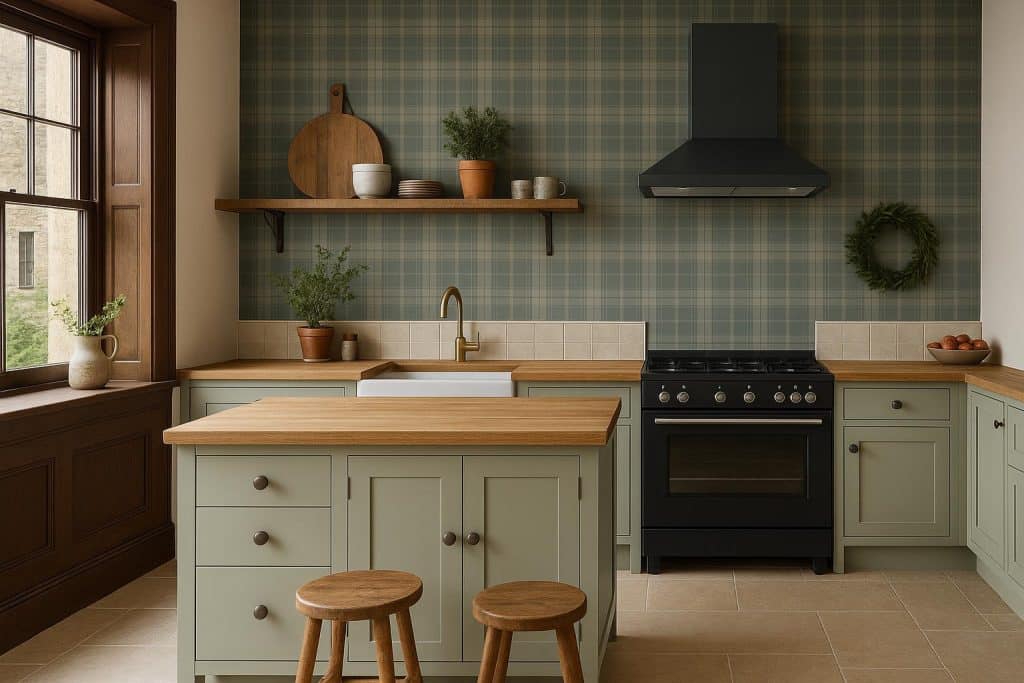
The final layer of the Edinburgh kitchen look is the curation of personal items and local crafts. This is what prevents a modern kitchen from feeling sterile. Incorporating Scottish textiles, such as linen or subtle tartans, can soften the hard lines of a contemporary design.
Curation and Character
Displaying local pottery or hand-carved wooden boards on open shelving adds a layer of authenticity. It is about celebrating the craftsmanship that Scotland is known for. The goal is to create a kitchen that feels curated over time rather than bought all at once. By carefully selecting every element, from the largest cabinet to the smallest handle, you create a space that honors the history of Edinburgh while embracing the possibilities of the future.
Modern Scottish design is not about looking backward; it is about moving forward with a deep respect for the past. It is a style that values quality over quantity, durability over trends, and soul over clinical perfection. In an Edinburgh kitchen, every meal prepared and every conversation shared becomes part of the city's ongoing story, housed within walls that have seen centuries of change and a kitchen that is built to last for many more.