

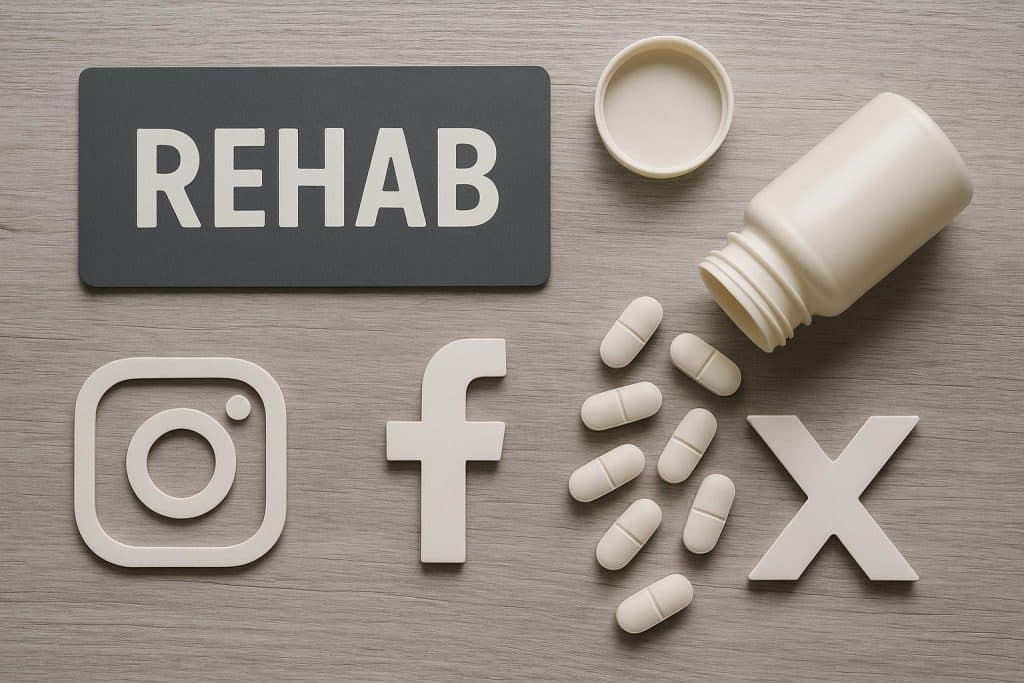
Five years ago, if you told a treatment center you were addicted to Instagram, you’d probably get a sympathetic nod and a recommendation to delete the app. In 2025, that same complaint might get you enrolled in a 30-day residential program with structured digital detox protocols, group therapy, and relapse prevention planning.
The shift reflects mounting evidence that behavioral addictions—particularly to social media, gaming, and other digital platforms—create the same neurological patterns as substance dependencies. Brain imaging studies show that the dopamine hits from likes, comments, and notifications activate reward pathways identical to those triggered by drugs or alcohol. For some people, the compulsion becomes just as destructive.
Treatment facilities are responding by developing dedicated programs that borrow heavily from substance abuse models while adapting for the unique challenges of digital addiction. Unlike drugs or alcohol, complete abstinence from technology isn’t realistic for most people. You can’t avoid screens entirely in modern life—work, school, banking, and basic communication all require digital engagement. This makes treatment more complex than traditional addiction programs.
Seasons and similar facilities now offer specialized tracks for behavioral addictions. These programs typically begin with a complete digital detox period—no phones, no social media, no gaming—allowing the brain’s reward system to recalibrate. Patients often experience withdrawal symptoms: anxiety, restlessness, irritability, difficulty concentrating. Sound familiar? They’re the same symptoms seen in early substance abuse recovery.
After the initial detox phase, treatment focuses on developing a healthier relationship with technology. This includes identifying triggers (boredom, loneliness, anxiety), learning to sit with uncomfortable emotions instead of immediately reaching for a phone, and building offline coping mechanisms. Patients practice delayed gratification, mindfulness techniques, and setting firm boundaries around screen time.
The group therapy component addresses underlying issues that often drive compulsive digital use: social anxiety, fear of missing out, low self-esteem, depression. Many people discover they’ve been using social media to avoid dealing with deeper problems. The endless scroll becomes a numbing mechanism, not unlike how others might use alcohol or pills.
What makes digital addiction particularly insidious is its social acceptability. Everyone’s on their phones constantly. Unlike showing up drunk to work, spending six hours a day on TikTok doesn’t immediately mark someone as having a problem. Patients often enter treatment only after experiencing severe consequences: job loss, relationship breakdowns, or complete inability to function without constant digital stimulation.
The treatment industry is still figuring out best practices. Insurance coverage remains inconsistent—some plans cover behavioral addiction treatment under mental health benefits, others don’t recognize it as a legitimate diagnosis. Relapse rates are high, partly because unlike substances, you can’t simply avoid technology forever.
But for people whose lives have been genuinely derailed by screen addiction, having access to structured treatment represents progress. The brain doesn’t distinguish between chemical and behavioral addictions—both hijack the reward system and create compulsive patterns. As evidence accumulates and treatment protocols improve, expect digital addiction programs to become standard offerings at facilities that previously focused exclusively on substance abuse.
The irony isn’t lost on anyone: we created the technology that’s now requiring clinical intervention to escape.