

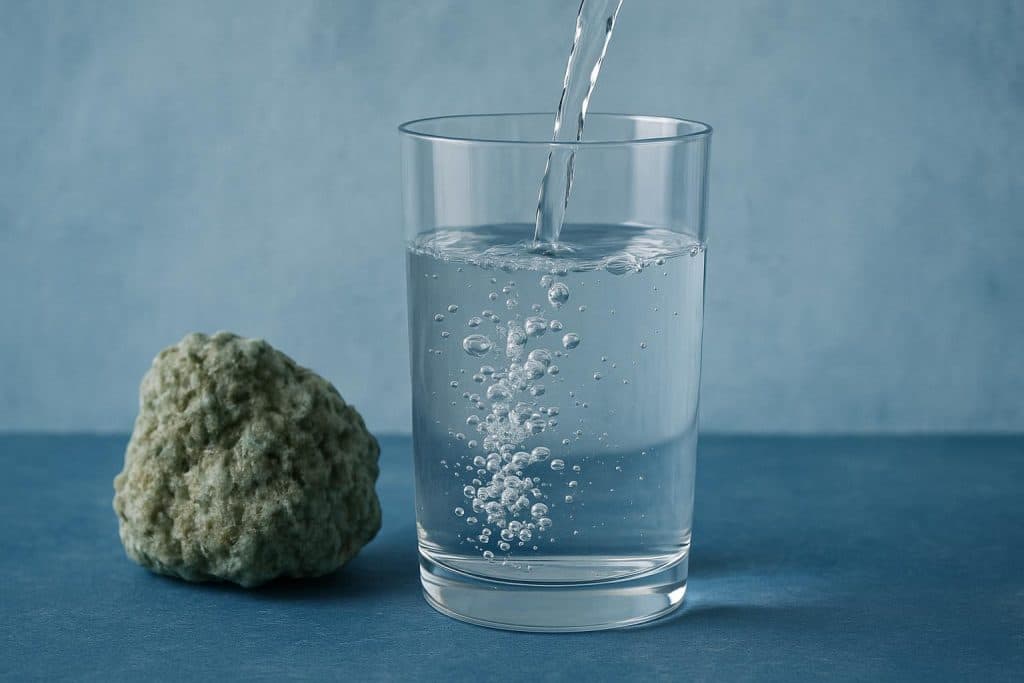
Clean drinking water is something most people rarely question. If the water coming from the tap looks clear, smells normal, and tastes fine, it is easy to assume there is nothing to worry about.
Water quality is not always something you can judge with your senses, though. Many substances that may be present in drinking water are colorless, odorless, and tasteless. The condition of your local water supply, treatment system, household plumbing, and even nearby environmental activity can all affect what eventually reaches your glass.
That does not mean every home has a serious water problem. It simply means that understanding your drinking water deserves a little more attention.
What Can Affect the Quality of Tap Water?
Before reaching your home, municipal water goes through treatment processes designed to reduce microorganisms, sediment, and other unwanted substances. Once treated, the water still has to travel through a network of pipes before reaching your faucet.
The condition and age of those pipes can influence water quality. Older plumbing, corroded fixtures, construction work, and changes in water pressure can sometimes introduce sediment or metals into the water supply. Lead service lines, which still exist in many older neighborhoods in the United States, are a well-documented example of how water that leaves the treatment plant in good condition can pick up contaminants on the way to the tap.
This is one reason some households add another layer of filtration at home. Gravity-fed systems are a common choice because they operate without electricity or plumbing changes. Water is poured into an upper chamber, passes through the filter elements, and collects in a lower chamber for use.
The filter element is what determines what the system actually reduces. Berkey’s current replacement element, the Berkey Phoenix filter element, is one example. It uses a coconut shell activated carbon block combined with a nanofiber composite layer, and independent lab testing shows reduction of chlorine, certain heavy metals, PFAS, pharmaceuticals, and a range of other chemical contaminants in treated tap water. Reducing chlorine and particulates also tends to improve taste and odor, which makes filtered tap water more appealing for everyday use.
Capacity is another practical consideration. A pair of Phoenix elements is rated for 5,500 gallons, which for a typical household works out to several years before replacement. Actual filter life still depends on water quality, sediment levels, household consumption, and proper maintenance, so a gallon rating is a guideline rather than a guarantee.
The important question is not which product is most popular, but whether a particular filtration method addresses the substances actually present in your household water. Manufacturers that publish full contaminant reduction test results make that comparison much easier than those that rely on general marketing claims.
Your Water Source Makes a Difference
Where your drinking water comes from plays an important role in what may be present in it.
Public water supplies generally rely on surface water, groundwater, or a combination of both. Surface water can be affected by rainfall, agricultural runoff, nearby development, and pollution from surrounding areas. Groundwater may contain naturally occurring minerals and other substances that vary from one region to another.
Private wells require additional attention because homeowners are responsible for testing and maintaining their own water supply. The EPA recommends that well owners test at least once a year.
If your home is connected to a municipal system, your water provider is required to publish an annual water quality report, often called a Consumer Confidence Report. It lists where the water originates and what was detected during routine testing. Most utilities post it online or mail it with a bill each summer.
Knowing your water source can also help you choose filtration more intelligently. A household mainly concerned about chlorine taste, for example, has different filtration requirements from one dealing with sediment, aging plumbing, heavy metals, or particular environmental contaminants.
Signs Your Water May Need Attention
Some changes in water quality are easy to notice. Others are not.
Unusual odors, cloudiness, discoloration, metallic tastes, or visible sediment may indicate a change in the water supply or in your home’s plumbing. These signs do not automatically mean the water is unsafe, but they should not be ignored.
Water testing is also worth considering after flooding, major plumbing repairs, long periods of vacancy, or noticeable changes in the surrounding environment.
For households using private wells, periodic testing is particularly important because underground conditions can change over time.
Filtration can help address some water-quality concerns, but it should not be treated as a substitute for investigating an unexplained or sudden change in your water.
Is Home Water Testing Worth It?
Testing is one of the most reliable ways to understand what is actually in your water.
Basic tests may screen for factors such as pH, hardness, chlorine, bacteria, nitrates, or certain metals. More comprehensive laboratory testing can look for a much wider range of substances.
The type of testing you need depends on your water source, location, plumbing, and specific concerns. Rather than testing randomly, it makes more sense to focus on contaminants that are relevant to your area or situation.
Testing also makes choosing a filter easier. Instead of purchasing a system based on advertising or general claims, you can compare your test results with the contaminants a particular filter has been tested to reduce.
If there is a persistent problem or a potential health concern, a certified laboratory will provide more dependable results than a basic home test kit.
Not All Water Filters Work the Same Way
A common misconception is that every water filter provides the same type of protection.
Some filters are designed mainly to improve taste and reduce chlorine. Others target sediment, certain metals, chemicals, PFAS, pesticides, pharmaceuticals, or other substances. The performance of a filter depends on its design, filtration media, flow rate, condition, and intended use.
Carbon-based gravity filters offer several advantages. They require no electrical power, reduce chlorine tastes and odors, and can address a much broader range of contaminants when specialized filtration media are used.
Systems using long-life elements also produce less replacement-filter waste than filters that require frequent cartridge changes. For households that consume significant amounts of drinking water, longer filter life makes routine filtration more convenient and usually less expensive per gallon.
Consumers should still examine exactly what a filter has been tested or certified for. Recognized standards provide useful context. The Phoenix elements, for example, are certified to NSF/ANSI 42 for aesthetic effects such as chlorine, taste, odor, and particulates, and to NSF/ANSI/CAN 372 for lead-free material requirements. Claims beyond those certifications should be backed by published third-party lab results, which is where a manufacturer’s test reports become worth reading.
No certification or filtration technology means a filter removes everything. A filter is most useful when its capabilities correspond to a household’s actual water-quality concerns.
Maintenance Is Just as Important
Even a well-designed filtration system can lose effectiveness if it is not maintained properly.
Filters eventually become saturated, clogged, or reach the end of their useful service life. Water containing large amounts of sediment or other contaminants may shorten the period between maintenance or replacement.
Some gravity-fed filter elements are designed for extended use, which is convenient for households that want to avoid frequent cartridge changes. A high gallon rating should never be interpreted as permission to ignore the filter indefinitely.
Flow rate provides one clue that maintenance may be required. If filtration becomes noticeably slower, the element may need attention according to the manufacturer’s instructions.
Water storage containers, reusable bottles, filter housings, spigots, and dispensers also need routine cleaning. Filtered water can still develop quality issues if it is stored in containers that are not properly maintained.
Following the manufacturer’s maintenance instructions and keeping track of filter use helps the system continue performing as intended.
Conclusion
Drinking water does not have to look dirty to deserve closer attention. Clear water can still contain substances that are impossible to detect without proper testing, while noticeable changes in taste, smell, or appearance may point to problems in the supply or household plumbing.
The most practical approach is to understand where your water comes from, review your utility’s water quality report, test when there is a reasonable concern, and choose filtration that addresses your household’s specific needs.
A good filtration system provides benefits beyond making water look cleaner. Depending on the technology used, it can reduce chlorine and unpleasant tastes, lower exposure to certain contaminants, provide convenient filtration without electricity, and offer longer filter life than basic disposable cartridges.
No single filter or treatment method is appropriate for every household. Water quality varies by location, plumbing system, source, and environmental conditions.
Ultimately, being informed is more useful than being alarmed. Understanding your water source, choosing filtration based on evidence, maintaining the system properly, and testing when appropriate will help you make better decisions about the water you and your family drink every day.