

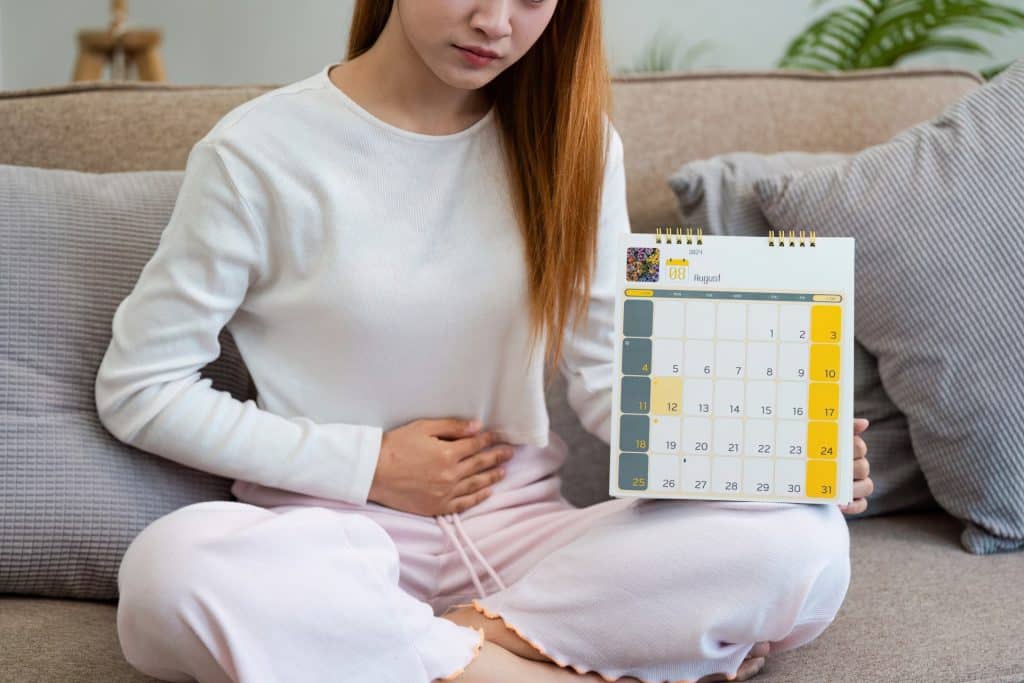
If you’re like most ladies, you probably have to power through a lot of unpleasant symptoms during your menstrual cycle. The cramps alone are enough to make you want to shut out the rest of the world and just stay in bed with a heating pad. With the fatigue that comes along with your period, you may not feel like doing much else. Sometimes, the bloating is so bad, only your pajamas seem to fit anyway. Does that sound familiar? If so, you’re definitely not alone.
On top of all that, there are the hormonal fluctuations to deal with. They can leave you anxious and irritable one minute and depressed and disheartened the next. As if all that wasn’t enough, you may find yourself constantly running to the bathroom. It’s uncomfortable, exhausting, and incredibly disruptive, and it all seems pretty unnecessary, doesn’t it?
If you’re here reading this right now, you’re among the many women who are wondering why i pee so much on my period. There are actually several factors involved here. Read on to learn more about them and maybe make this issue a little easier to deal with.
Water Retention
First of all, your body retains more water just before and during your period due to hormonal changes. That’s what makes you feel bloated. Of course, your body can only hold so much fluid at one time. The excess has to go somewhere. Your kidneys draw in the extra fluid and funnel it into your bladder. The more fluid you retain, the more you have to get rid of, which translates to more frequent urination. Once your hormone levels begin to return to normal, the excess fluid retention and resulting trips to the bathroom start to taper off until next month.
Increased Prostaglandins
One of the changes in your body during your period is an increase in prostaglandin production. Prostaglandins are chemicals that help the uterus shed its lining during your menstrual cycle. They do this by making your uterus contract, which is what causes cramps. They also cause contractions during childbirth.
Prostaglandins don’t just affect the uterus, though. They can also affect muscles and organs around your uterus, and one of those is your bladder. They can cause your bladder to contract more frequently and significantly. That makes you feel like you need to pee more often and more urgently.
Hormonal Changes
Estrogen and progesterone levels fluctuate during your menstrual cycle as well. They, too, can affect more than just the uterus. They can make your bladder more sensitive. Though your progesterone levels surge just before your period, once it starts, they drop sharply. That triggers your body to release the extra fluid you’ve been retaining. When you combine those factors, you have more fluid to get rid of and a bladder that’s not only filling up faster than usual but more sensitive to the fluid that’s inside it.
Cramps and Pressure
The cramps and pressure that you feel during your period also cause you to need to go to the bathroom more frequently. During your menstrual cycle, your uterus swells slightly. That, along with the previously mentioned contractions, places extra pressure on your bladder. It’s a bit like squeezing a water balloon. Though the added pressure isn’t much, it’s definitely enough to make you feel like you need to pee more often.
Digestive Changes
The hormonal changes that happen during the menstrual cycle can also affect your digestive system. Because of that, you may experience digestive issues, like gas, diarrhea, constipation, and swelling in your intestines. That, of course, creates more abdominal tenderness and places even more pressure on your bladder. As a result, you feel the need to pee more often, and it may seem more urgent than normal.
Drinking More Than Usual
You may feel thirstier than usual when you’re on your period as well. When hormones prompt your body to release more fluid, you naturally need to replenish it, so you drink more. If you’re dealing with headaches, body aches, and cramps, staying hydrated tends to help with those symptoms a little bit, so that could cause you to drink more too.
No doubt, you may also be taking in extra caffeine to help with the fatigue. As a nice bonus, caffeine can help with pain to an extent. It blocks certain pain receptors and makes pain relievers more effective. Unfortunately, it’s also a natural diuretic, which means it causes your body to expel more fluid. That’s on top of the excess fluid you’re already losing because of the hormonal changes.
It’s a bit of a double-edged sword. You need to drink more, and you probably need the extra caffeine to keep you going and help relieve the pain from cramps. It’s going to make you pee more, though.
Heightened Stress and Anxiety
Many ladies notice that they’re more stressed and anxious during their periods. Again, that’s largely because of the hormonal changes involved. It’s normal to feel the need to go to the bathroom more when you’re nervous or stressed, so that’s yet another factor.
Dealing With Excessive Urination During Your Period
Frequent urination during menstruation is common. It’s caused by several factors from extra pressure and sensitivity in your abdomen to increased fluid intake and retention. It all revolves around the typical hormonal changes that take place just before and during your cycle. Though it’s frustrating, it’s really nothing to worry about.
That being said, there are a few warning signs to watch out for. If you’re experiencing severe abdominal pain that’s worse than usual during your period or that gets worse over time, that could be a sign of a serious problem. If you have a fever, chills, burning when you urinate, or difficulty emptying your bladder, those are reasons to be concerned as well. With any of those symptoms, consider seeing a doctor as quickly as possible.
There are also a few measures you can take to help reduce the need to pee during your period. Drink fluids steadily throughout the day rather than large volumes all at once. Limit your salt and caffeine intake as well to help manage water retention and the need to get rid of excess fluid. A heating pad can help ease your cramps while also reducing abdominal pressure and swelling as well.