

Walk the Broadwalk in Hollywood, spend a weekend running the Las Olas loop in Fort Lauderdale, or log a full shift on your feet at a Brickell hotel, and your plantar fascia is working hard the entire time. South Florida’s combination of hard pavement, warm weather that keeps people active year round, and a sandal-and-flip-flop culture means the tissue along the bottom of the foot never really gets a break. Heel pain is one of the most frequent reasons residents seek out South Florida physical therapy, and in the vast majority of those cases, plantar fasciitis is the culprit. If sharp morning heel pain or post-run soreness has been building,learn more about what Aries Physical Therapy can do to get you back on your feet without it coming back.
What Plantar Fasciitis Actually Is
The plantar fascia is a dense band of tissue running from the heel bone to the base of the toes, and every step you take asks it to absorb load, support the arch, and spring back ready for the next one. When that demand exceeds the tissue’s ability to recover, microscopic tears accumulate, inflammation sets in, and the result is the stabbing heel pain most people first notice when they step out of bed in the morning or stand up after sitting through a long South Florida commute. The tissue warms up with movement, and pain often fades mid-run or mid-shift, which tricks many people into thinking the problem is resolving on its own. Connecting with a South Florida physical therapy team before that window closes is the difference between a six-week recovery and a six-month one. South Florida physical therapy clinics see this pattern constantly, and the cases that walk in after months of hoping it would sort itself out are almost always harder and longer to treat than those caught early.
Why South Florida Creates the Right Conditions for Plantar Fasciitis
Tile floors in every home, concrete everywhere outside, and twelve months of weather that gives people no reason to slow down is a formula for cumulative foot stress that residents in colder climates simply do not face at the same rate. A runner training for the Miami Marathon does not get a winter off-season to let overworked tissue recover. A nurse at a Coral Gables hospital stands on hard floors through back-to-back shifts without the cushioning that softer surfaces would provide. Add the local habit of wearing flat sandals or going barefoot on pavement that radiates heat all day, and the plantar fascia is being loaded in a shortened, unsupported position for hours at a stretch. South Florida physical therapy providers factor all of this into treatment because ignoring the environment means the injury keeps coming back, regardless of how well the tissue heals in the short term.
Who Is Most at Risk
The profiles that show up most often in South Florida physical therapy clinics are not surprising once you understand the local environment. Distance runners building toward a race who added mileage too fast, hospitality and healthcare workers on their feet through double shifts, and recreational athletes who wear the same worn-out sneakers for beach volleyball, pickleball, and everything in between are among the most common. Tight calves from cycling the Shark Valley trail or sprinting the turf at a Davie sports complex pull on the fascia from above, while flat sandals worn from Wynwood to the beach offer nothing beneath it. People who have recently gained weight, returned to activity after a long break, or switched suddenly to a minimalist shoe are also at elevated risk, and a South Florida physical therapy assessment can identify exactly where the tissue is vulnerable before a full injury develops.
How Physical Therapy Treats Plantar Fasciitis
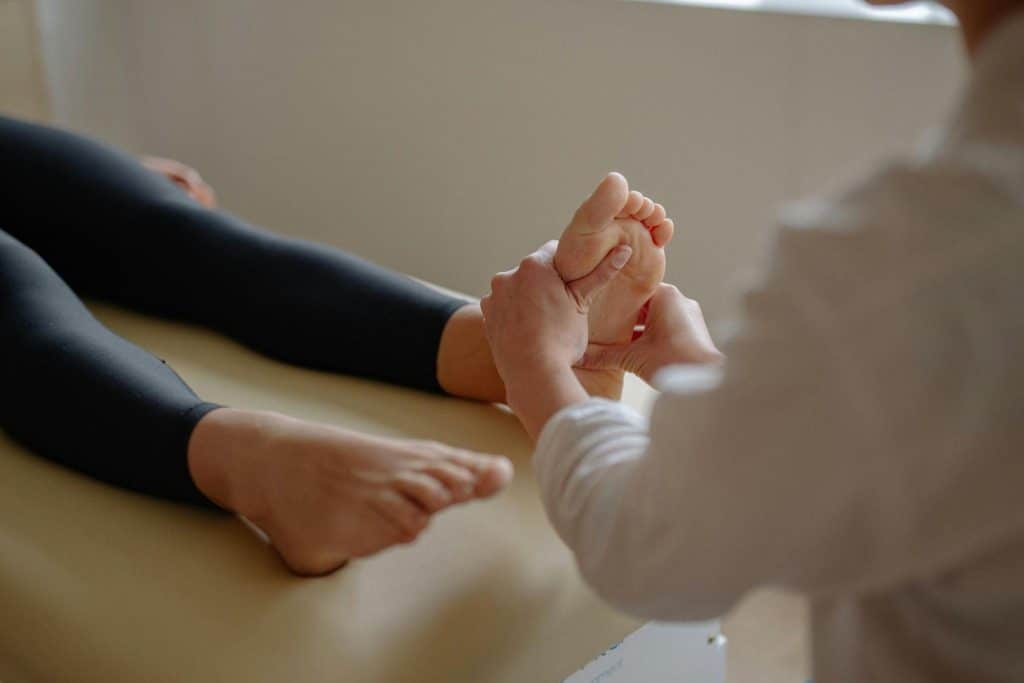
Telling someone with plantar fasciitis to rest and stretch is the minimum, and for most South Florida patients who are active, driven, and not interested in stopping, it is rarely enough on its own. South Florida physical therapy addresses the full picture: manual therapy to break down the scar tissue and restore mobility in the ankle and foot, targeted calf and Achilles work to take tension off the fascia from above, and foot strengthening to rebuild the arch support the tissue has been compensating for. Gait analysis often reveals the specific way a patient walks or runs that has been quietly overloading the heel, and adjusting those mechanics makes a larger difference than stretching alone ever could. Load management keeps patients moving throughout recovery by swapping high-impact activity for lower-impact alternatives until the tissue is ready to handle full demand again.
What Recovery Looks Like
Four to eight weeks of consistent South Florida physical therapy typically produces meaningful, lasting improvement for patients who come in early, though that timeline stretches when the condition has been dismissed as normal soreness for six months or more. Recovery is not just about pain going away. It is about correcting the footwear habits, movement patterns, training loads, and tissue deficits that made the plantar fascia vulnerable in the first place, so that returning to the Broadwalk, the pickleball court, or a full shift on your feet does not trigger the same cycle all over again.
Build a Foundation That Holds Up
South Florida is not a place that rewards taking it easy, and the goal of treatment is never to slow you down but to make sure the tissue you are relying on every day is strong enough to keep up with the life you are living. Aries Physical Therapy provides South Florida physical therapy built around that reality, and a targeted assessment is the fastest way to understand exactly what is driving your heel pain and what it is going to take to put it behind you for good.