

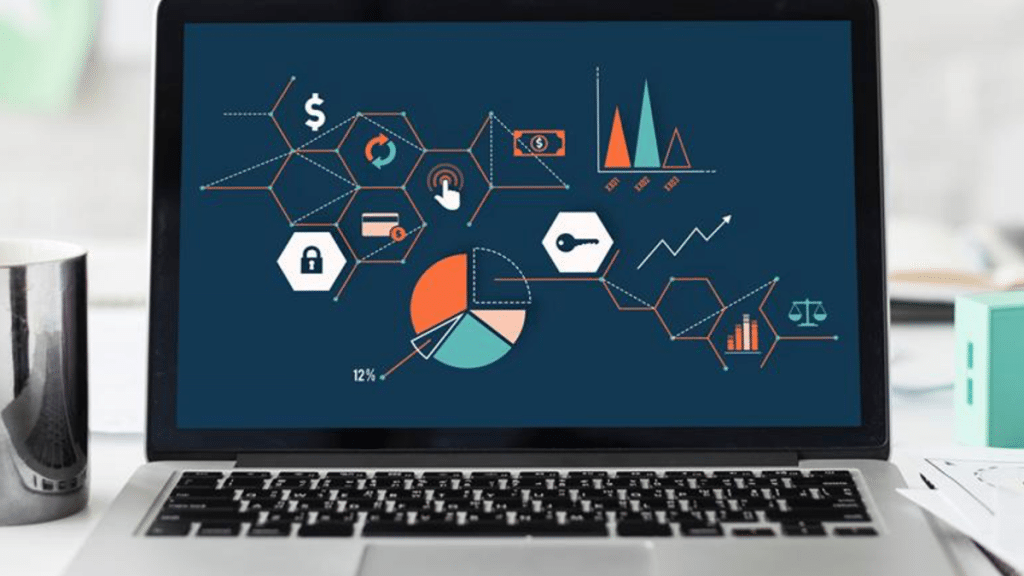
In the theatre of modern business, cybersecurity is the stage on which a drama of epic proportions constantly unfolds. Enterprises of all sizes frequently find themselves grappling with the spectre of digital malfeasance—data breaches, phishing scams, and ransomware, to name a few. But amongst this shadowy backdrop arises a beacon of hope—the technology known as blockchain.
Blockchain might ring a bell as the tech behind the Bitcoin buzz, but it’s far more than just cryptocurrency’s backbone. This ingenious ledger system is shaking up the way we think about cybersecurity, infusing both sophistication and simplicity into its defences. Let’s journey through the landscape of blockchain in cybersecurity, exploring how this tool is not just overcoming business vulnerabilities but revolutionising the entire digital domain.
1. Establishing Steadfast Identity Management
Identity theft is akin to a digital doppelgänger wreaking havoc on your life—and it’s a nightmarish event for businesses and end-users alike. Traditional methods, with their centralised databases ripe for hacking, fall short. Enter blockchain, a stalwart guardian of digital identities, enabling individuals and enterprises to manage access control decisively. By decentralising and encrypting personal data, blockchain shifts the paradigm, offering an identity management solution where only the credential owner can grant access, making identity theft much more challenging.
2. Securing the Internet of Things (IoT)
The Internet of Things has transformed reality, connecting coffee makers to cars in a symphony of digital communication. Yet, these connected devices often lack adequate armour against cyber threats. Through the prism of blockchain, an innovative shield emerges. The technology aids in rendering shared data across the IoT landscape not only secure but also tamper-resistant. With blockchain, businesses can ensure that the IoT’s potential is harnessed safely, without compromising on connectivity.
3. Carving Immutability into Data Records
In a world where data is as precious as currency, the ability to keep records safe, transparent, and immutable is invaluable. Blockchain’s beauty lies in its indelible nature—once data is recorded upon its digital ledger, it’s resistant to alteration. This is a game-changer for fields that depend on unassailable record-keeping, such as healthcare, legal services, and intellectual property. Blockchain can be trusted to maintain a pristine and permanent record that paints an immutable history for stakeholders to rely on.
4. Nurturing Trust with Smart Contracts
Contracts are foundational to business, but they rely heavily on mutual trust—or a trusted third party to enforce terms. Blockchain introduces smart contracts, self-executing agreements baked into the code, which leap over the need for intermediaries. They seal the deal automatically once predefined rules are satisfied. This reduces the likelihood of disputes and malicious interference, granting businesses a reliable way to honour agreements without concern for the fickleness of human error.
5. Deflecting DDoS Attacks
Similar to an overcrowded shop that can’t serve customers, a Distributed Denial of Service (DDoS) attack overloads systems, denying service to legitimate users. By distributing its DNS records across a network of computers, blockchain provides a shield against such onslaughts, ensuring essential services remain agile and resistant to attack.
6. Reinventing Public Key Infrastructure (PKI)
Cybersecurity often hinges on the integrity of digital certificates, managed through Public Key Infrastructure. But PKIs have a critical flaw—they revolve around trusted central authorities that, if compromised, can unravel the very fabric of a secure internet. Blockchain bakes the trust into the network itself, diffusing the risk of a single point of failure. Its ability to distribute trust across a network not only imparts robustness but also decentralises authority in a way that is transformative.
7. Fortifying Supply Chain Integrity
Beyond the realm of bits and bytes, cybersecurity extends its reach into ensuring the provenance and integrity of physical goods as they journey through the supply chain. Blockchain is a diligent sentinel along this path. It furnishes an unalterable audit trail from manufacturing to delivery, mitigating the risk of counterfeit products, diversion, and tampering, thus buttressing the backbone of global commerce.
8. Enabling Confidential Communication
In the digital age, a message is only as secure as the channel through which it travels. Blockchain proposes a sanctuary for secure messaging, a refuge where information can be shared with the assurance of end-to-end encryption, without the susceptibility of centralised servers. It offers the promise of communication that is as confidential as whispering secrets in a vaulted chamber.
Indeed, blockchain is not a silver bullet for all cybersecurity challenges. It is, however, a versatile and robust tool that addresses a spectrum of vulnerabilities with elegance and effectiveness. What’s essential is to approach its adoption with care, considering the specific needs, infrastructure, and readiness for innovation within any given enterprise.
For those who wish to equip themselves further in this brave new world of blockchain, resources are aplenty, and guidance is at hand. Should you wish to explore blockchain’s potential as part of your cybersecurity arsenal, find more info through professional consultancies, detailed research documents, and community forums.
As we traverse this digital frontier, it’s important to acknowledge the human aspect of cybersecurity. The value of blockchain lies not just in its technical prowess but in its capacity to cultivate a culture of trust, accountability, and shared responsibility. Embracing blockchain technology is not merely a strategic defence manoeuvre but an act of strengthening the very bonds that hold our digital ecosystem together.
Today, businesses stand at the crossroads, deciding whether to advance with the status quo or to stride boldly into a blockchain-secured future. As stewards of information and guardians of our customers’ trust, integrating blockchain into our cybersecurity strategies isn’t simply a tactical choice—it’s a step towards shaping a more secure and interconnected world for generations to come.