

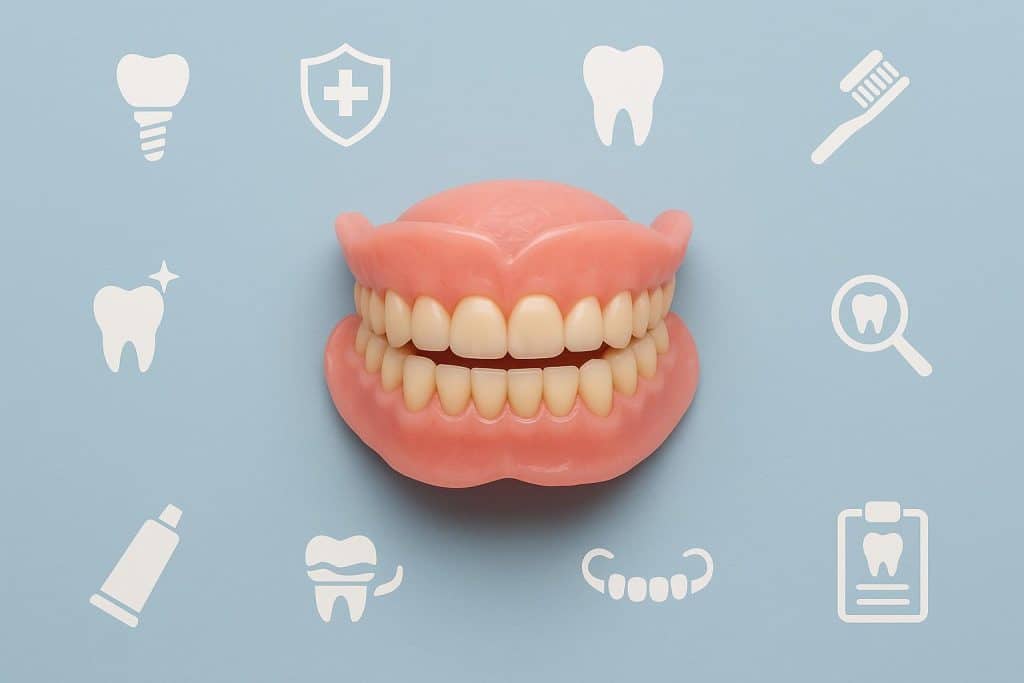
Dentures have changed in ways many patients do not expect. Current materials can look more lifelike, hold a closer fit, and place less strain on oral tissues during speech or meals. Even so, this choice deserves careful review. Bone levels, gum shape, bite force, hygiene habits, and cost all affect long-term comfort. Clear facts help patients weigh dentures against other replacement choices with less guesswork and more confidence.
1. Dentures now come in several forms
Dentures now cover a wide range of clinical needs. Full appliances replace every tooth in one arch. Partial versions fill spaces when natural teeth remain stable enough to help with support. Some rest on soft tissue alone, while others connect to implants for stronger hold. People comparing affordable dental dentures in Las Vegas, NV often start here because each category changes chewing, cleaning, comfort, and daily wear in practical ways.
2. Fit matters more than appearance alone
A pleasing smile matters, yet function usually decides whether dentures succeed. Poor adaptation can create sore spots, reduce bite pressure, and make speech less clear. Even an attractive appliance may fail if it shifts during meals. Precise borders, balanced contact, and smooth pressure across gum surfaces matter more than many expect. Follow-up adjustments are routine, because soft tissues settle after delivery and early use.
3. Full and partial options solve different problems
Full dentures serve patients who have lost every tooth in the upper jaw, lower jaw, or both. Partial dentures work best when healthy teeth can share support. That difference affects clasp placement, chewing balance, and material choice. A dentist usually checks gum health, bone support, and the condition of remaining teeth before choosing the safer path. One plan does not suit every mouth.
4. Implant support changes performance
Implant-supported dentures can provide a steadier bite than gum-supported models. Small titanium posts help limit rocking, slipping, and lifting during conversation or chewing. Many patients notice better confidence with firmer retention. Still, implants require surgery, healing time, and enough bone for stable placement. Cost also rises. For some people, that tradeoff is acceptable. For others, a conventional removable set remains more appropriate.
5. The first weeks require patience
New dentures rarely feel natural right away. Tongue movement changes, cheek muscles react differently, and gums may become tender where pressure concentrates. Early meals often go better with softer foods and smaller bites. Speech usually improves through repetition, not luck. Short reading exercises can help the mouth learn fresh contours. Most adjustment issues settle with time, practice, and careful office refinements.
6. Bone and gums keep changing
Tooth loss affects more than appearance. Jawbone gradually shrinks after extraction because chewing forces no longer stimulate the area in the same way. Gum tissue also changes shape over time. Those shifts alter the seal and stability of a denture. A set that once felt secure may start moving later. Relines, repairs, or replacement become part of normal maintenance for many wearers.
7. Dentures need daily care
Dentures require the same respect given to natural teeth. Food film, stain, and bacterial plaque can build quickly on acrylic surfaces. Gentle brushing with an approved cleanser helps protect the appliance and the tissues beneath it. Many dentists also suggest soaking overnight to prevent drying and warping. Regular oral exams still matter, because the mouth, tongue, cheeks, and gums need periodic evaluation.
8. Cost is broader than the first bill
The first payment rarely tells the whole story. Exams, extractions, temporary appliances, relines, repairs, and later replacement can change the total cost over several years. Implant-supported options usually demand more upfront, yet they may improve retention and reduce movement. Traditional dentures often begin at a lower price. A fair comparison looks at present expense, future upkeep, and expected service life.
9. Speech and eating can improve again
Dentures can restore useful function, though they do not behave exactly like natural teeth. Certain foods may still require smaller bites, slower chewing, or avoidance if they dislodge the appliance. Speech often improves as the tongue adapts to new contours along the palate and gums. Practice matters. With realistic expectations and a stable fit, many patients regain comfort during meals and conversation.
10. A good candidate still needs an exam
General information can guide questions, but it cannot replace a clinical exam. Bone volume, bite pattern, saliva flow, gum condition, and medical history all shape the best recommendation. Some patients do well with standard removable dentures. Others function better with implant support or a different tooth replacement method. A proper assessment helps match treatment to real anatomy, daily habits, and long-term goals.
Conclusion
Modern dentures can restore appearance, support clearer speech, and improve chewing, but success depends on more than the appliance itself. Fit, tissue changes, hygiene, adaptation time, and long-term cost all matter. Patients who review these ten points can ask better questions and compare choices more clearly. Before any final decision, a professional exam remains the best way to align treatment with comfort, function, and daily life.