

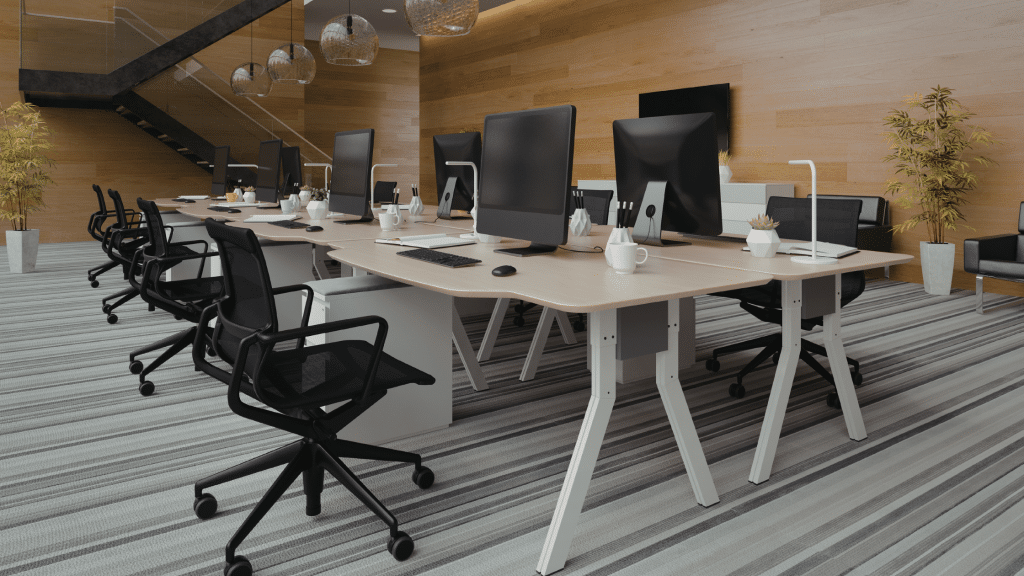
For years, workplace ergonomics was treated as an operational detail — something handled by facilities managers, HR departments or procurement teams. Chairs were ordered, desks were installed, and compliance boxes were ticked. But in 2026, the conversation has shifted dramatically.
Across the UK, Australia and other developed markets, workplace ergonomics is increasingly being discussed at board level. The reason is simple: leaders now recognise that the physical environment in which employees work has a measurable impact on productivity, retention, risk management and long-term business performance.
What was once viewed as a cost centre is now understood as a strategic investment.
The Productivity Imperative
Boards are under constant pressure to improve output without proportionally increasing headcount. While digital transformation and automation often dominate strategic discussions, physical workspace design is emerging as a quieter but equally powerful lever.
Poor ergonomic setups contribute to fatigue, musculoskeletal discomfort and reduced concentration. Even small inefficiencies — awkward screen positioning, inadequate lumbar support, or static sitting for extended periods — compound over time. The result is not only discomfort but also diminished cognitive performance.
Conversely, well-designed workstations can support sustained focus and energy levels throughout the day. Adjustable seating options, appropriate desk heights and properly positioned monitors reduce strain and allow employees to work more comfortably for longer periods. For organisations seeking marginal gains in output, these incremental improvements matter.
When productivity is scrutinised at board meetings, the physical workspace can no longer be ignored.
Absenteeism, Presenteeism and Hidden Costs
Traditional reporting tends to focus on absenteeism — days lost due to injury or illness. However, boards are increasingly aware of “presenteeism”: employees who are physically present but operating below capacity due to discomfort or low-level pain.
Musculoskeletal issues remain one of the most common workplace health concerns. Extended sitting, poor posture and repetitive strain contribute significantly to these problems. While each case may seem minor in isolation, the aggregated impact on large workforces can be substantial.
Forward-thinking organisations are therefore reviewing their workplace ergonomics policies more closely. Many Australian organisations are now reviewing their workplace ergonomics policies through specialist providers such as Office Furniture Designs. By taking a structured approach to workstation assessments and equipment selection, businesses aim to reduce long-term injury risks and associated costs.
Boards recognise that prevention is often more cost-effective than reactive intervention.
Hybrid Work Has Complicated the Picture
The rise of hybrid working has further elevated ergonomics into strategic discussions. In a traditional office model, employers had greater control over workstation standards. In hybrid environments, employees may split their time between corporate offices, co-working spaces and home setups.
This decentralisation introduces variability in workstation quality. An employee might have an optimised office desk but work from a kitchen table at home. Over time, inconsistencies can undermine wellbeing and productivity.
Boards must therefore consider broader questions:
- Should companies provide guidance or stipends for home office equipment?
- How can consistent ergonomic standards be maintained across multiple locations?
- What policies protect the organisation from health and safety liabilities?
These are no longer operational matters alone; they carry governance and compliance implications.
Talent Attraction and Retention
In competitive labour markets, employee experience has become a differentiator. Workplace design plays a significant role in shaping that experience.
Candidates increasingly assess more than salary and title. They evaluate work environments, flexibility, wellbeing initiatives and organisational culture. An office that visibly prioritises comfort and functionality signals that a company values its people.
Ergonomics also intersects with diversity and inclusion. Adjustable desks and chairs, accessible layouts and adaptable workstations support a broader range of body types and physical needs. Boards committed to inclusive practices are recognising that ergonomic investment is part of that commitment.
When retention metrics are reviewed quarterly, workspace quality becomes a relevant discussion point.
Risk, Compliance and Corporate Responsibility
Health and safety obligations remain a core board responsibility. Directors have fiduciary duties to ensure reasonable steps are taken to protect employees from harm.
While catastrophic incidents often dominate risk registers, chronic ergonomic strain represents a slower-moving but equally significant exposure. Compensation claims, reputational damage and regulatory scrutiny can arise from sustained neglect of workplace standards.
As governance frameworks mature, boards are asking more detailed questions about:
- Workplace assessment protocols
- Equipment standards and lifecycle management
- Training on posture and workstation use
- Documentation and compliance processes
This shift reflects a broader trend toward proactive risk management rather than reactive crisis handling.
Data Is Changing the Conversation
Another reason ergonomics has reached board level is the increasing availability of data. Organisations now track metrics related to productivity, engagement and health outcomes with greater sophistication.
Correlations between workspace quality and performance indicators are easier to identify. For example, companies conducting internal reviews often find links between workstation upgrades and improved employee satisfaction scores.
Digital tools also allow facilities teams to monitor space utilisation and workstation usage patterns. These insights enable more strategic decisions about office layouts, shared desks and collaborative zones.
As evidence accumulates, ergonomics transitions from a subjective comfort issue to a measurable performance factor.
The Financial Framing
Ultimately, boards respond to financial logic. Ergonomic investment is gaining traction because it can be framed in terms of return on investment.
Costs associated with workplace upgrades are relatively predictable and controllable. In contrast, the costs of injury, turnover and reduced output are variable and often underestimated.
When executives model scenarios over a multi-year horizon, the business case becomes clearer. Even modest reductions in absenteeism or turnover can offset capital expenditure on improved furniture and workstation design.
For organisations exploring structured workspace planning or equipment reviews, publicly available resources such as https://officefurnituredesigns.com.au provide insight into how ergonomic frameworks can be implemented at scale.
The key shift is mindset: ergonomics is no longer seen as discretionary spending but as infrastructure.
Looking Ahead: 2026 and Beyond
As businesses navigate economic uncertainty, technological disruption and evolving workforce expectations, boards are seeking stable foundations for performance. The physical workspace is one such foundation.
In 2026, the most resilient organisations are likely to be those that integrate ergonomics into broader strategic planning rather than treating it as an afterthought. This includes aligning facilities, HR, finance and executive leadership around shared objectives.
Workplace ergonomics will not replace digital innovation or strategic expansion as board priorities. However, it is increasingly recognised as an enabling factor — one that supports the people responsible for delivering every other strategic initiative.
In that sense, the elevation of ergonomics to board-level discussion reflects a deeper evolution in business thinking: performance is not solely driven by technology or process, but also by the environments in which people operate every day.
For boards committed to sustainable growth, that environment can no longer be overlooked.