

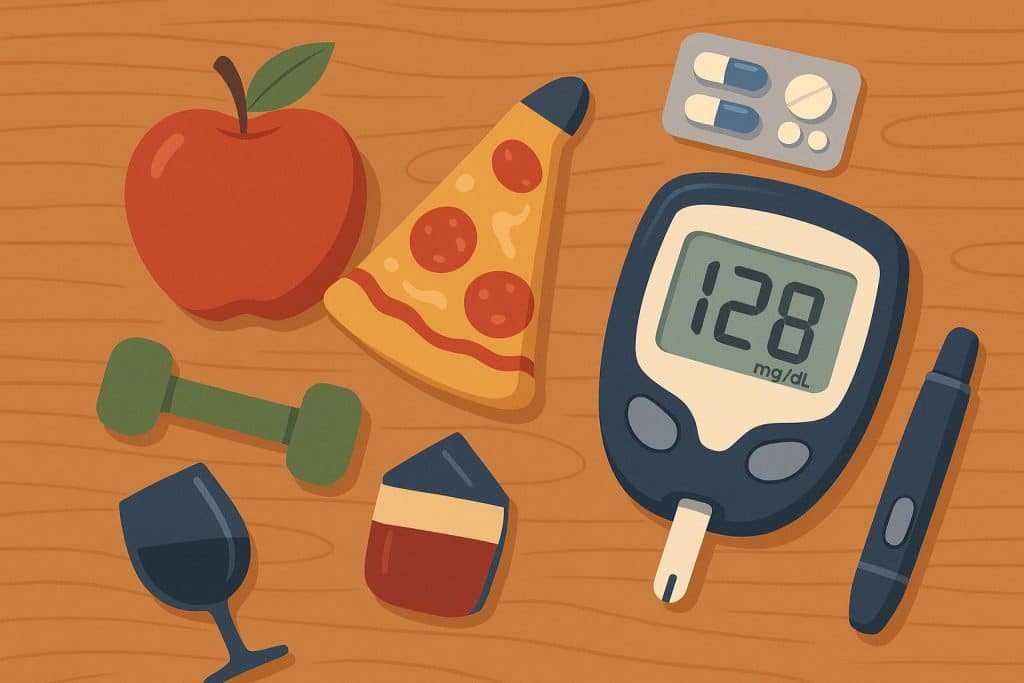
Diabetes is often associated with sugar, but that is only part of the picture. For many people in India, diabetes does not happen overnight but develops gradually. Daily habits related to food, physical activity, sleep, and stress slowly affect how the body handles blood sugar. This is why diabetes, especially Type 2 diabetes, is commonly described as a lifestyle disease.
When you understand how everyday choices influence diabetes, it becomes easier to reduce risk, manage the condition better, and plan long-term healthcare needs.
What Does Lifestyle Disease Mean?
A lifestyle disease is a condition that develops mainly because of daily habits like what you eat, how active you are, how much rest you get, and how you handle stress. These conditions usually build up over years, often without obvious early symptoms.
Type 2 diabetes fits this description closely. It develops when the body is no longer able to use insulin effectively. Over time, this leads to higher blood sugar levels and can affect different organs of the body if not addressed on time.
Why Diabetes is Linked to Modern Lifestyles
Traditional Indian diets have always been rich in carbohydrates. However, earlier this was balanced with physically active routines and manual work. Today, daily life is very different, as many people spend long hours sitting at work, during travel, or at home in front of screens.
At the same time, eating habits have changed. Processed foods, sugary drinks, and packaged snacks are now more common. When low physical activity is combined with these food choices, weight gain becomes more likely. Over time, this makes it harder for the body to manage blood sugar, increasing the risk of diabetes.
Diet plays a major role in how diabetes develops and progresses. Foods high in refined carbohydrates and added sugars cause quick rises in blood sugar. When this happens repeatedly, the body struggles to control glucose levels.
Small, practical changes that can help include:
- Choose whole grains over refined grains.
- Include pulses, vegetables and fruits in your diet.
- Cut down on sugary drinks and packaged snacks.
Why Physical Activity, Sleep and Stress Management Matter
Physical activity helps the body respond better to insulin. When you move, your muscles use sugar for energy, which helps lower blood sugar levels.
If activity levels stay low, sugar remains in the bloodstream for longer. Over time, this increases the risk of insulin resistance. Even simple activities like walking, cycling or stretching can help when done regularly.
Similarly, stress and sleep both affect blood sugar. During stress, the body releases hormones that raise glucose levels. If stress continues for long periods, managing blood sugar becomes more difficult.
Irregular sleep patterns and long working hours, on the other hand, can interfere with how the body controls sugar, increasing the risk of diabetes over time.
Why Early Detection Is Important
Diabetes often develops quietly and many people do not notice symptoms in the early stages. By the time signs appear, complications may already have started.
Regular health check-ups help detect high blood sugar early and this allows timely action through lifestyle changes, medical guidance and monitoring.
Managing Diabetes Beyond Daily Habits
Lifestyle changes are important, but managing diabetes often involves ongoing medical care. This may include regular tests, doctor visits and medication. Planning for these costs becomes important as healthcare expenses rise.
Health insurance plans can help cover hospitalisation, treatment, and routine care related to diabetes and its complications. Some people managing long-term conditions also look at specific covers, such as critical illness or cancer insurance, to prepare for serious health risks that may arise later in life.
Conclusion
Diabetes is considered a lifestyle disease because it is closely linked to daily habits built over time. Food choices, activity levels, sleep and stress all influence how the condition develops and how well it can be managed.
Along with healthier routines, planning for long-term healthcare is important. The right health insurance plans can support treatment, monitoring and financial stability as diabetes becomes part of long-term care.