

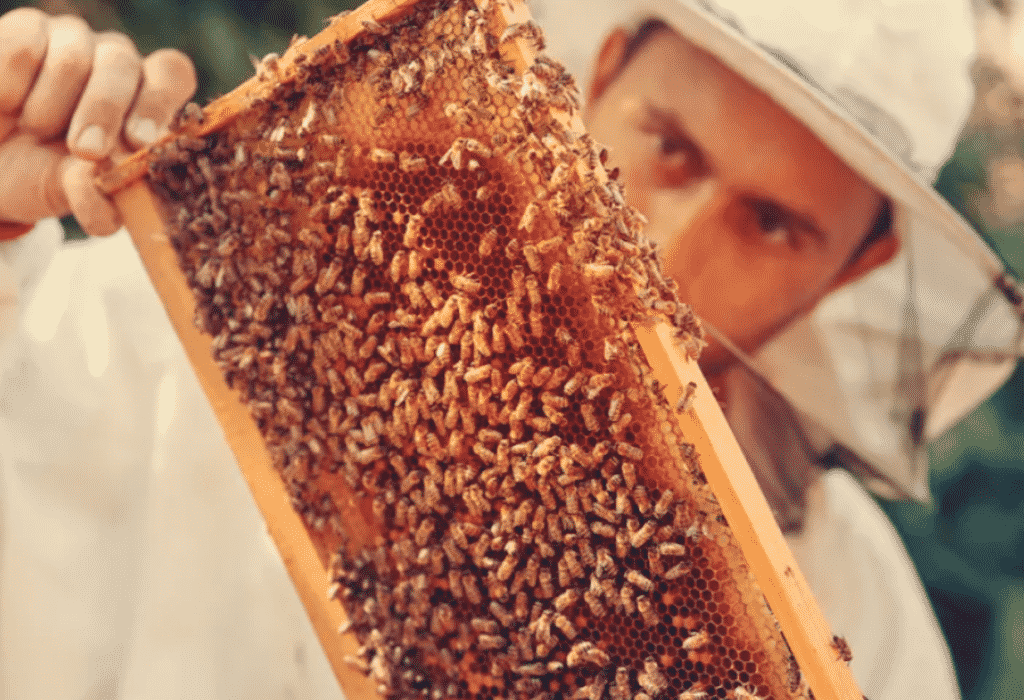
The media’s increasing focus on environmental crises has brought to our attention the impending extinction of bees. While they might seem like pests, these small insects are a crucial part of our survival. Not only do they maintain the balance of Earth’s ecosystem but they facilitate the pollination and survival of thousands of plant species – including food crops.
It’s not just the honeybees
The stereotypical bee has yellow and black stripes and a sting in the tail. While this is indeed one type of bee, it isn’t the only one. There are around 20000 bee species, with 4000 of those involved in the pollination of plants and crops. Studies have found that at least ten percent of bee species in Europe are on the verge of extinction, and while that might not seem like a lot, it would be enough to throw humanity into chaos. Research has shown that many more species of insect are in trouble; an event that could play havoc with Earth’s ecosystem.
Why are bees dying?
There is no single explanation for the decline in bee populations; there are, however, multiple factors that are probably contributing to the crisis. It might sound like just another aspect of climate change and global warming, but addressing the issue is not as simple as that.
1. Parasites
There are a number of “natural” reasons for the decline in the bee population, one of which is the effect of parasites. Small parasites, such as the varroa mite, cripple bees by draining them of fluid, as well as leaving them vulnerable to viruses that can infect an entire hive.
2. Habitat destruction
Most people are aware of the destruction of rainforests, but relatively few know that insects, including bees, are also being displaced. Bees help with the pollination of crops but in an ironic twist, expanding farms are slowly destroying bees’ natural habitat and replacing the plants they need with crops.
3. Pesticides
Use of pesticides, along with other air pollutants, is bad news for wild bees. The pollutants cling to bees’ bodies and weaken their immune systems – and can even be detected in their honey!
How you can help
To combat climate change, we’ve been urged to live more sustainably: conserve water, recycle and cut down on meat consumption. Although an individual effort might seem fruitless in the face of a crisis perpetuated by massive industrial practices, each action has impact – and the same goes for protecting bees from extinction.
1. Create pollinator gardens
Pollinator gardens are effective in boosting the bee population, as they provide the insects with food and a protected habitat untouched by pesticides. Even if you plant in pots, you’ll be doing your bit to help.
2. Provide space to nest
This doesn’t necessarily mean building hive, but merely a structure with a hollow in which bees can live.
3. Support local beekeepers
Shopping and living sustainably is an excellent way to combat climate change and contribute to saving the bee population. Small-scale beekeepers are more like to forego toxic pesticides and conserve habitat.
While your individual efforts might seem inconsequential, like getting the best betting odds, every bit counts.