

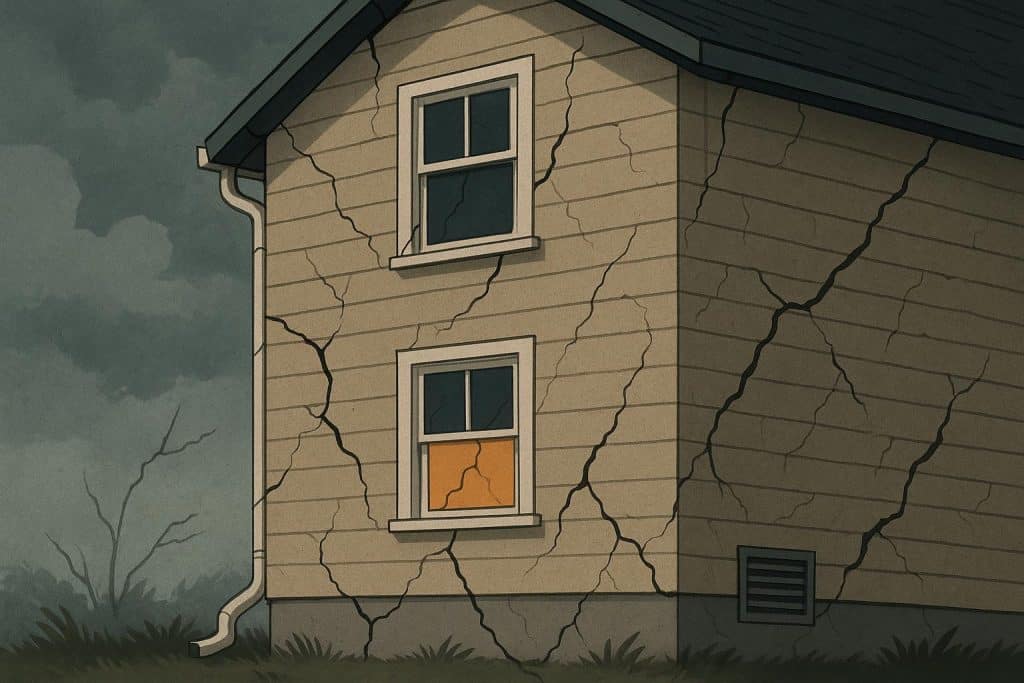
Houses are pretty good at dropping hints when something isn’t quite right. A crack appears above a doorway. One side of the floor starts to feel slightly uneven. A window that used to glide open suddenly needs a shoulder behind it. None of these things automatically mean disaster, but they’re the sort of small changes that are easy to ignore until they become harder, and usually more expensive, to deal with.
If the underlying issue is movement in the soil or foundations, there are a few different ways it can be addressed. One option people may come across is resin injection underpinning, which is used in some situations to help stabilise ground beneath a structure. Like most repair methods, though, whether it suits a particular property depends on what’s actually causing the movement in the first place.
Cracks Aren’t All Created Equal
Cracks are probably the thing homeowners notice first, partly because they’re visible and partly because they have a talent for looking dramatic. But not every crack points to serious foundation trouble. Fine hairline cracks can develop as materials expand, contract and settle naturally over time.
What tends to matter more is the pattern. Cracks that keep widening, run diagonally from door or window corners, appear alongside sticking doors, or show up with noticeable floor movement deserve closer attention. The same goes for gaps forming between walls and ceilings or skirting boards that suddenly seem to have shifted away from the wall.
The tricky part is that the symptom doesn’t always tell you the cause. Soil movement, drainage problems, tree roots, plumbing leaks, poor compaction and changes in moisture levels can all affect foundations differently. That’s why jumping straight to a repair method without understanding the problem can be a bit like replacing a tyre because the steering wheel is shaking.
Water Is Often Part Of The Story
A surprising number of foundation problems have something to do with water. Too much of it, too little of it, or water moving through the wrong place can all change how soil behaves beneath a home.
Clay soils, for example, can expand when wet and shrink when dry. Over long periods, that movement can put pressure on footings and create uneven settlement. Poor drainage can also allow water to collect near foundations, while leaking pipes may quietly soften or wash out surrounding soil.
That’s why gutters, downpipes and surface drainage are worth paying attention to. They’re not the most exciting parts of a property, but they do important work. Keeping water moving away from the house can help reduce unnecessary stress on the ground underneath it.
Small Changes Are Easier To Track Than Memories
If you notice something unusual, it can help to keep a simple record rather than relying on memory. Take a photo of the crack. Note the date. Measure it if possible. Check it again in a few weeks or months.
The same applies to doors, floors and walls. If a door only sticks during particularly humid weather and goes back to normal, that tells a different story from one that becomes progressively harder to close. If a crack hasn’t changed in years, that’s useful information too.
You don’t need to turn into a building detective, but having a timeline makes it easier to explain what’s been happening if you do bring in a professional.
Repairs Should Match The Cause
Foundation repair isn’t really a one-size-fits-all job. Traditional concrete underpinning may be appropriate in some cases, while other properties may be suitable for less invasive techniques. The right solution can depend on access, soil conditions, the extent of movement, the type of footing and how quickly the issue needs to be addressed.
This is where a proper assessment matters. A repair that sounds modern or convenient isn’t automatically the best one, just as an older method isn’t automatically outdated. The goal is to stabilise the structure based on what’s happening underneath it, not simply choose the option with the most appealing description.
Don’t Ignore The Rest Of The Property
It’s easy to focus entirely on the crack in the wall, but it helps to step back and look around. Are paths or paving sinking nearby? Is water pooling against the house after rain? Have large trees grown close to the building? Have there been plumbing problems? Does one section of the home seem more affected than the rest?
Those details can help build a clearer picture. Sometimes the visible damage inside is only one part of a much bigger drainage or soil issue outside.
Knowing When To Call Someone
If changes seem to be getting worse, are appearing in several areas, or are affecting how doors, windows and floors behave, it’s sensible to have the property looked at. The earlier a genuine movement problem is identified, the more options there may be for dealing with it before secondary damage spreads.
Listen To What The Building Is Showing You
Homes move a little. Materials age. Small cracks happen. The aim isn’t to panic every time a plaster line appears on a wall.
But houses also give clues when something deeper is changing. Paying attention to those clues, keeping an eye on whether they’re progressing, and getting the right advice when needed can save a lot of uncertainty later. Sometimes the smallest sign is simply your house asking you to take a closer look.