

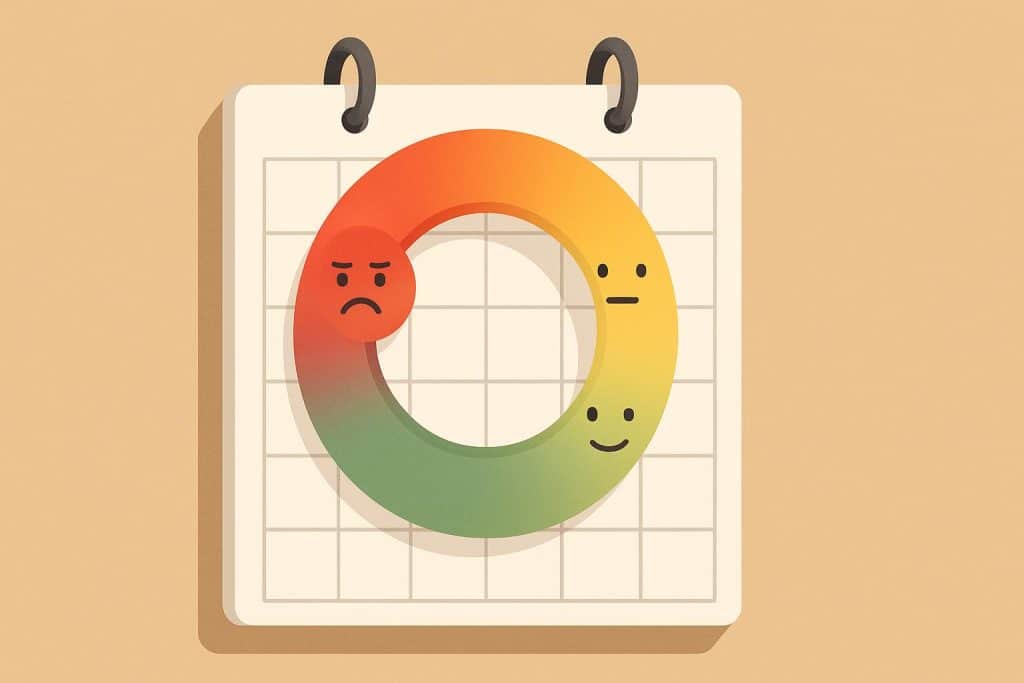
There’s a particular kind of frustration that comes from realising your month has started dividing itself into “good days” and “those days.” You might feel completely like yourself one week, then suddenly everything becomes more irritating, more tiring, more bloated, more emotional or just harder to deal with. Plans you happily made ten days ago can feel wildly optimistic once your body has other ideas.
For some women, those patterns become predictable enough that they start organising life around them. Social events, work deadlines, exercise, travel and even difficult conversations get mentally shuffled depending on where they fall in the cycle. That’s often the point where looking into support from a naturopath for PMS starts to feel less like an alternative wellness idea and more like a practical attempt to understand why certain parts of the month feel so different from the rest.
When “It’s Just PMS” Stops Being a Useful Answer
PMS has a reputation for being something women are simply expected to tolerate. Mood swings get joked about. Bloating gets shrugged off. Fatigue, headaches, cravings, poor sleep, breast tenderness and irritability are often treated as background noise, as though the fact that they’re common makes them irrelevant.
But common doesn’t always mean manageable.
There’s a big difference between noticing mild changes before a period and feeling like your routine gets hijacked every month. If you’re cancelling plans, struggling to concentrate, dreading certain days, or feeling like your personality changes on a schedule you didn’t choose, it makes sense to want a better understanding of what’s happening.
The frustrating part is that PMS rarely shows up in one neat form. One person might mainly notice physical symptoms, while another feels the emotional side much more strongly. Some months can also be worse than others depending on stress, sleep, workload, diet, exercise and whatever else life happens to be throwing around at the time.
That unpredictability can make it harder to know whether you’re imagining patterns or whether there really is something worth paying attention to.
The Value of Tracking Before Fixing
Before trying to change everything at once, it can help to get curious.
Not dramatic, colour-coded, spreadsheet-level curious unless that’s your thing. Just enough to notice what happens and when.
A simple cycle diary can reveal more than memory usually does. Note the days you feel unusually tired, anxious, irritable, hungry, foggy or physically uncomfortable. Pay attention to sleep, digestion, headaches, skin changes and energy. After a couple of months, patterns can become much clearer.
That matters because vague discomfort is hard to act on. A recurring pattern gives you something more useful to discuss with a healthcare professional and can help separate cycle-related symptoms from things that may have another cause.
It can also be strangely validating. Instead of wondering why everything feels harder for no obvious reason, you begin to see the rhythm. That doesn’t solve the problem by itself, but it can make the experience feel less random.
Supporting the Whole Month, Not Just the Worst Week
One of the more useful ways to think about PMS is to stop treating it as something that only matters when symptoms arrive. The rest of the month can influence how supported your body feels too.
Sleep is an obvious one, although it’s usually easier to recommend than achieve. Regular meals, adequate nutrition, movement, stress management and reducing the habit of running on fumes can all support general wellbeing. None of this means PMS happens because someone hasn’t been “healthy enough,” and lifestyle advice shouldn’t become another stick to beat yourself with. It’s simply about creating a steadier baseline where possible.
This is also where personalised care can be valuable. Instead of throwing five generic tips at every woman with premenstrual symptoms, a more individual approach looks at what’s actually happening in that person’s life and body. The useful questions become more specific: What symptoms are most disruptive? When do they start? How long do they last? What else is going on hormonally, nutritionally or emotionally? What’s already been tried?
That conversation is much more useful than being told to drink water and relax.
Your Month Shouldn’t Feel Like a Negotiation
There’ll always be days when energy dips or patience runs thin. Bodies aren’t machines, and nobody feels exactly the same every morning. But if your calendar has started revolving around when you expect to feel least like yourself, that’s worth taking seriously.
Seeking support doesn’t mean turning a normal menstrual cycle into a medical crisis. It simply means recognising when recurring symptoms are affecting your quality of life and deciding you’d like more information, more options or a clearer plan.
You’re Allowed to Want More Predictable Days
The goal doesn’t have to be perfection. It can simply be fewer days spent bracing for symptoms, cancelling plans or wondering why everything suddenly feels harder. Understanding your own pattern is a good place to start, because once you know what you’re dealing with, the month can begin to feel less like something happening to you and more like something you know how to navigate.