

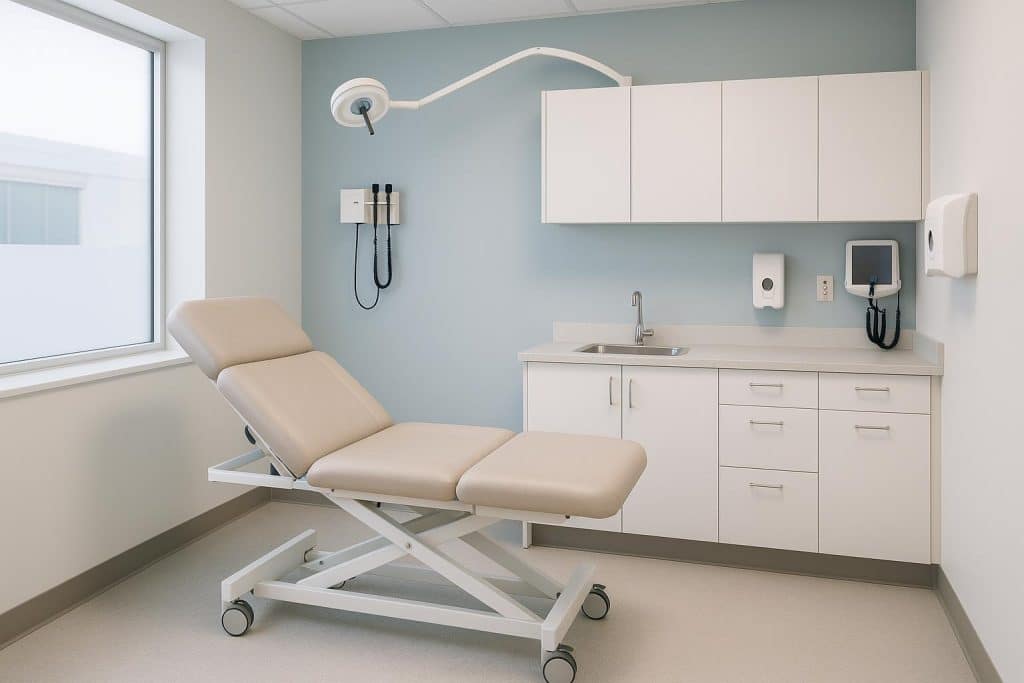
Embarking on a new medical practice or renovating an existing one is a significant undertaking. It’s more than just bricks and mortar; it’s about creating a space that fosters healing, efficiency, and professionalism. Considering professional medical fitouts is paramount to achieving this. A well-designed and executed fitout can significantly impact patient experience, staff productivity, and the overall success of your practice. Learn more about medical fitouts.
But where do you start? What are the crucial elements to consider when planning your project? This article will guide you through the key considerations for successful medical fitouts, ensuring your new space meets your needs and exceeds your expectations. We’ll explore everything from initial design concepts to compliance requirements, helping you create a functional and aesthetically pleasing environment.
Understanding the Scope of Your Medical Fitout
Before diving into design and construction, it’s essential to define the scope of your project. This involves a thorough assessment of your current and future needs, as well as a clear understanding of your budget and timeline. This initial planning phase sets the foundation for a successful outcome, preventing costly surprises and delays down the track.
Defining Your Practice’s Needs
Start by evaluating the specific services you offer and the patient flow within your practice. How many consulting rooms do you require? Do you need a dedicated procedure room, a spacious waiting area, or a specialised treatment area? Consider the number of staff members and their individual workspace requirements. Thinking about these details upfront will ensure the final design adequately caters to your practice’s unique operational needs.
Future growth is another critical factor. Will your practice expand in the coming years? If so, factor in the possibility of adding more consulting rooms, hiring additional staff, or introducing new services. Designing a flexible and adaptable space will save you time and money in the long run, avoiding the need for further renovations as your practice evolves.
Budgeting and Timeline Considerations
Establishing a realistic budget is crucial. Get quotes from several contractors and suppliers to understand the costs involved. Remember to factor in not only the construction costs but also design fees, council approvals, equipment purchases, and contingency funds for unexpected expenses. A detailed budget will keep your project on track and prevent financial strain.
The timeline is equally important. Discuss realistic timeframes with your chosen contractor, taking into account design finalisation, council approvals, construction, and fitout installation. Keep in mind that delays can occur due to unforeseen circumstances, so it’s wise to build some buffer time into your schedule. Proper planning and communication can help minimise disruptions and ensure a smooth project completion.
Design and Layout Considerations
The design and layout of your medical practice play a vital role in creating a welcoming and efficient environment for both patients and staff. A well-thought-out design can enhance patient comfort, improve workflow, and create a positive impression of your practice. It’s about striking the right balance between functionality and aesthetics.
Creating a Welcoming Patient Experience
The waiting area is the first point of contact for patients, so it’s essential to make it comfortable and inviting. Consider comfortable seating, calming colours, and engaging reading materials. Natural light and greenery can also contribute to a more relaxed atmosphere. A well-designed reception desk that is both functional and visually appealing can further enhance the patient experience.
Privacy is another important aspect. Ensure consulting rooms are soundproofed to protect patient confidentiality. Consider the layout of the waiting area to minimise noise and distractions. Providing a private space for patients to discuss sensitive matters can significantly improve their overall comfort and satisfaction.
Optimising Workflow and Efficiency
The layout of your practice should facilitate efficient workflow for staff. Consulting rooms should be conveniently located near reception and other key areas. Consider the placement of equipment and supplies to minimise unnecessary movement. A well-organised layout can save time, reduce errors, and improve overall productivity.
Adequate storage space is also essential. Designate specific areas for medical records, equipment, and supplies. This will help keep your practice tidy and organised, making it easier for staff to find what they need when they need it. A clutter-free environment can contribute to a more efficient and professional atmosphere.
Compliance and Regulatory Requirements
Medical practices are subject to stringent compliance and regulatory requirements to ensure patient safety and accessibility. It’s crucial to be aware of these requirements and incorporate them into your fitout design. Failing to comply with regulations can result in penalties and delays, so it’s best to address these issues upfront.
Adhering to Building Codes and Standards
Your fitout must comply with all relevant building codes and standards, including fire safety regulations, accessibility requirements, and plumbing and electrical standards. Engaging a qualified building certifier can help ensure your design meets all necessary requirements. They can provide guidance on specific regulations and assist with obtaining the necessary approvals.
Accessibility is a key consideration. Your practice must be accessible to people with disabilities, including wheelchair users, visually impaired individuals, and those with mobility issues. This includes providing ramps, accessible restrooms, and appropriate signage. Compliance with accessibility standards is not only a legal requirement but also a moral obligation.
Infection Control and Hygiene
Maintaining a clean and hygienic environment is paramount in a medical practice. Your fitout should incorporate features that promote infection control, such as easy-to-clean surfaces, hand sanitiser stations, and proper ventilation. Consider using antimicrobial materials in high-touch areas to minimise the spread of germs. The design should also facilitate efficient waste disposal and cleaning procedures.
Proper ventilation is crucial for maintaining air quality and preventing the spread of airborne infections. Ensure your fitout includes adequate ventilation systems that comply with relevant standards. Regularly servicing and maintaining these systems will help ensure they continue to function effectively.
Choosing the Right Professionals
Selecting the right team of professionals is essential for a successful project. This includes architects, designers, builders, and other specialists who have experience in medical fitouts. Their expertise and guidance can make a significant difference in the outcome of your project.
Selecting Experienced Architects and Designers
Choose architects and designers who have a proven track record in medical fitouts. They should be familiar with the specific requirements of medical practices, including compliance regulations, infection control measures, and patient flow considerations. Look for professionals who can provide innovative design solutions that meet your needs and budget.
Communication is key. Your architect and designer should be able to effectively communicate their ideas and listen to your feedback. They should be able to translate your vision into a practical and aesthetically pleasing design. A collaborative approach will ensure the final design reflects your unique needs and preferences.
Engaging Qualified Builders and Contractors
Engage builders and contractors who are licensed and insured. Check their references and review their previous work to ensure they have a reputation for quality and reliability. They should be experienced in medical fitouts and familiar with the specific challenges involved. A reputable builder will manage the construction process efficiently and ensure the project is completed on time and within budget.
Get multiple quotes from different builders and contractors to compare prices and services. Be sure to read the fine print and understand the terms and conditions of the contract. A clear and comprehensive contract will protect your interests and prevent disputes down the track.
Long-Term Maintenance and Sustainability
Consider the long-term maintenance and sustainability of your practice when planning your fitout. Choosing durable materials, energy-efficient equipment, and sustainable design practices can reduce your operating costs and minimise your environmental impact. A well-maintained and sustainable practice can enhance your reputation and attract environmentally conscious patients.
Selecting Durable and Easy-to-Maintain Materials
Choose materials that are durable, easy to clean, and resistant to wear and tear. This will reduce the need for frequent repairs and replacements, saving you money in the long run. Consider using materials that are antimicrobial and stain-resistant to promote hygiene and infection control. Investing in high-quality materials will ensure your fitout looks good and performs well for years to come.
Regular maintenance is essential for keeping your practice in top condition. Establish a maintenance schedule for cleaning, repairs, and equipment servicing. This will help prevent minor issues from escalating into major problems. A well-maintained practice will create a positive impression on patients and staff, contributing to a more professional and welcoming environment.
Incorporating Energy-Efficient and Sustainable Practices
Consider incorporating energy-efficient lighting, heating, and cooling systems into your fitout. This can significantly reduce your energy consumption and lower your utility bills. Install solar panels to generate renewable energy. These initiatives can help reduce your carbon footprint and demonstrate your commitment to sustainability. Thinking about these factors can lead to effective healthcare fitouts that are both environmentally friendly and cost-effective.
Use sustainable building materials, such as recycled timber, low-VOC paints, and eco-friendly flooring. These materials are better for the environment and can also improve indoor air quality. Educate your staff and patients about your sustainability initiatives to raise awareness and encourage them to adopt eco-friendly practices. This will not only benefit the environment but also enhance your practice’s image as a responsible and forward-thinking organisation. You might also want to think about other options, such as dental fitouts that may be required.
Investing in medical fitouts requires careful planning and consideration of numerous factors. By focusing on these key areas, you can create a space that not only meets your current needs but also supports your practice’s long-term success. A well-designed and executed fitout is an investment that will pay dividends in terms of patient satisfaction, staff productivity, and overall efficiency.
Frequently Asked Questions
What is the typical cost of a medical fitout?
The cost of a medical fitout can vary widely depending on the size and complexity of the project, the materials used, and the location of the practice. It’s best to get quotes from several contractors to get an accurate estimate.
How long does a medical fitout take?
The timeline for a medical fitout can range from a few weeks to several months, depending on the scope of the project. Factors that can affect the timeline include design finalisation, council approvals, construction, and fitout installation.
What permits are required for a medical fitout?
The permits required for a medical fitout can vary depending on local council regulations. Generally, you will need building permits, plumbing permits, and electrical permits. It’s best to consult with a building certifier to determine the specific permits required for your project.
How can I ensure my medical fitout meets accessibility requirements?
To ensure your medical fitout meets accessibility requirements, consult with an accessibility consultant or building certifier. They can provide guidance on specific regulations and assist with incorporating accessibility features into your design, such as ramps, accessible restrooms, and appropriate signage.
What are some key considerations for infection control in a medical fitout?
Key considerations for infection control include easy-to-clean surfaces, hand sanitiser stations, proper ventilation, and the use of antimicrobial materials. The design should also facilitate efficient waste disposal and cleaning procedures.