

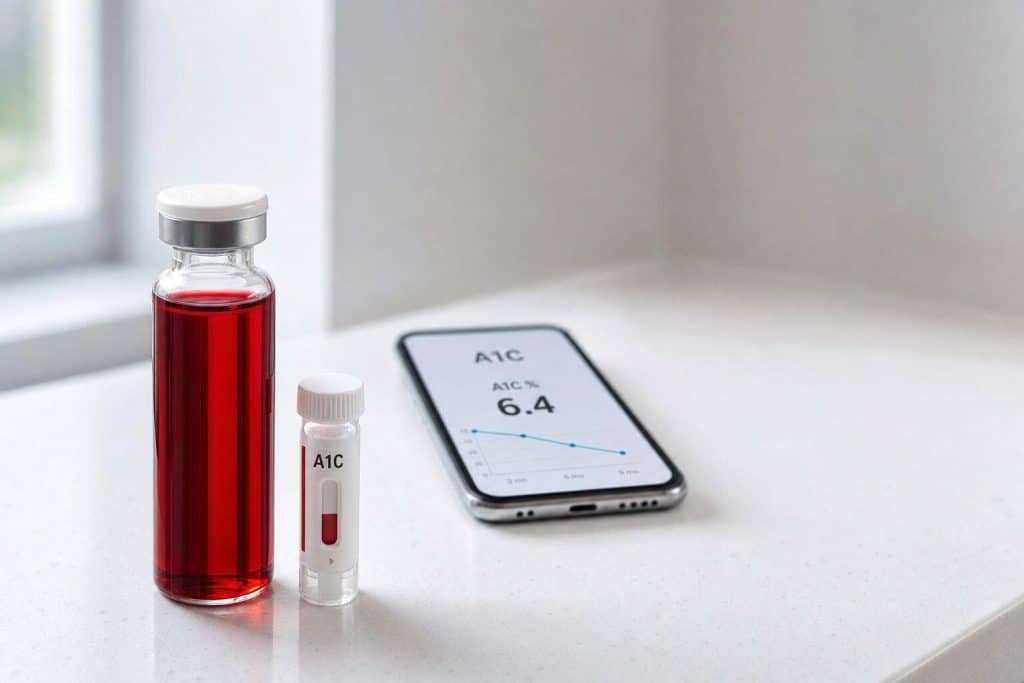
A1C testing is a key method for tracking long-term glucose control, offering a broader health perspective beyond daily monitoring. Interpreting your results can be confusing, but digital tools are making it easier to understand personal trends. These platforms provide context, highlight changes, and support goal setting while keeping essential data secure.
The A1C test measures your average blood glucose levels over a period of roughly three months, making it different from daily finger-stick readings that capture only a moment in time. By using an A1C Calculator, you can see how your recent lifestyle choices may influence results and gain practical insights into ongoing patterns. Understanding why this number changes helps you link daily habits with broader glucose management. As digital health tools become more widespread, they increasingly help users make sense of A1C scores and their impact on personal wellbeing.
How A1C differs from daily measurements
Unlike daily glucose checks, A1C results provide a multi-week snapshot of blood sugar stability. This big-picture measure helps reflect trends that isolated values can miss, especially when glucose levels fluctuate throughout your day.
Glucose monitoring on a daily basis is still valuable for immediate decision making, but understanding both types of readings is essential for a complete health picture. A1C helps you spot gradual changes in glucose control that quick tests alone cannot reveal.
Common reasons for confusion when interpreting results
Many people misunderstand what their A1C represents, often thinking it reflects just their most recent behaviors. In reality, results reflect average glucose over an extended period, so short-term dietary or routine changes may have less impact than expected.
Illnesses, new medications, or significant shifts in activity can also affect your A1C. Being aware of these variables helps prevent misinterpretation, especially since other health events can briefly alter glucose patterns without indicating a long-term problem.
How digital interpretation provides clearer context
Modern digital platforms translate a single A1C result into data visualizations and reports, helping you recognize trends. Platforms often link lab results to personal records for nutrition, activity, sleep, and stress, offering a more holistic view of your health.
Pattern recognition features suggest when significant lifestyle factors may have occurred, making changes easier to spot and understand. A1C Calculator tools are particularly useful when you want to relate daily actions to ongoing glucose management.
Why quality, accuracy, and privacy matter for users
Digital tools often rely on your self-reported information, and small errors in data entry or measurement can affect accuracy. Treat the outputs as helpful guidance but avoid using them as substitutes for medical advice or formal diagnosis.
Data privacy is an important consideration, with platforms storing health details in the cloud and offering options to manage permissions. Reviewing sharing settings and understanding how personal data is stored adds an extra layer of security to your experience.
Digital interpretation works best as a support tool for conversations with trusted clinicians and as a prompt for ongoing self-awareness. Maintaining a balanced, evidence-focused approach helps make the most of personalized insights without overrelying on automated analysis.