

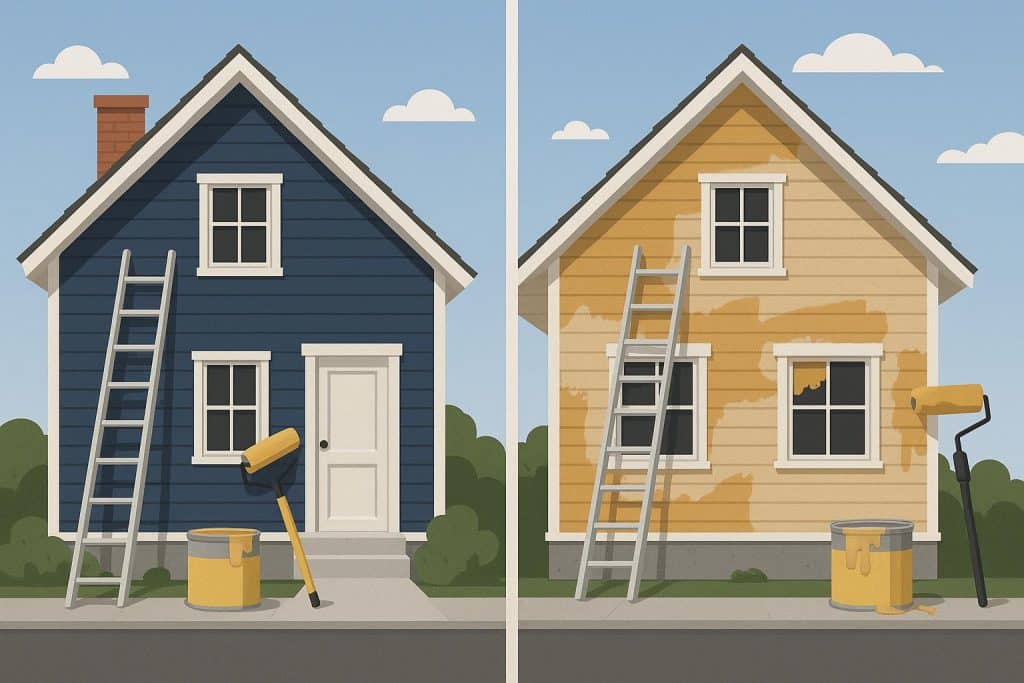
A house repaint can improve comfort, street appeal, and protection from everyday wear. In Eastbourne, however, good results depend on more than just choosing an appealing colour. Salt air, strong sunlight, wind, moisture, surface condition, and household routines all influence the finished work.
Homeowners who always prepare carefully in advance tend to avoid peeling, patchy coverage, delays, and rising costs. Those who rush often discover that small shortcuts become visible once the new coating has dried. Here’s what Eastbourne homeowners get right with and make a mistake with painting projects:
1. What Homeowners Get Right
Choosing the right preparation
Strong painting projects start with a close surface inspection. Walls may have dents, hairline cracks, stains, mould, or old glossy coatings. Exterior cladding can also carry dirt, chalking, or moisture beneath its surface. Cleaning, sanding, filling, and priming provide the stable base needed for an even, lasting finish.
Preparation often takes longer than applying the colour does. That is a worthwhile investment. Smooth results depend on removing loose material and repairing defects before coating begins. Skipping those important steps may shorten the initial schedule, but surface flaws usually become clearer after the topcoat cures.
Planning around coastal conditions
Eastbourne homes face strong sunlight, wind, salt air, and shifting moisture levels. Exterior painting needs a suitable stretch of weather. Dry surfaces and moderate temperatures help coatings cure evenly. Wind can blow dust onto wet paint, while damp conditions may slow drying and weaken adhesion.
Property owners who check the forecast and speak with experienced painters in Eastbourne usually achieve more dependable results than others. A thoughtfully planned process also prevents rushed finishing work. The programme should allow time for washing, repairs, priming, several coats, drying, and final inspections.
Testing colours in real conditions
A colour card cannot show how a shade will look next to existing roofing, flooring, joinery, or nearby buildings. Natural light changes throughout the day, particularly in open coastal areas. Testing sample patches on several walls gives homeowners a more reliable view before the full repaint begins.
Samples should remain in place for at least a full day. Morning light, afternoon glare, and evening shade can change the impression considerably. Testing also shows whether the selected colour covers well or requires additional coats. That simple step can prevent expensive regret.
2. What Homeowners Get Wrong
Treating paint as the main expense
Paint attracts attention because it is the visible part of the job. Labour, access equipment, repairs, protection, cleaning, and waste removal can account for much of the final bill. A low quote may leave out essential preparation or allow fewer coats than the surface needs.
A useful estimate should explain repairs, product types, quantities, access arrangements, and clean-up. Several detailed quotes offer a better comparison than headline prices alone. The lowest figure may prove costly if defects return soon after completion.
Painting over damp or damaged areas
Water marks, bubbling paint, and soft timber point to a problem beneath the coating. Painting over those signs only conceals the issue for a short time. Moisture may again enter through failed sealants, blocked gutters, roof leaks, poor ventilation, or ground contact.
The source needs attention before the decorative work begins. Some surfaces may require drying time, replacement materials, or specialist repairs. Indoor rooms deserve equal care, especially bathrooms, kitchens, and poorly ventilated bedrooms. A new coating cannot solve an ongoing moisture problem.
Ignoring protection and access
Furniture, paths, windows, plants, decks, and fixtures need proper covering and protection. Overspray and drips are much easier to prevent than remove. Exterior jobs may also require ladders, scaffolding, elevated platforms, or safe access around sloping sections.
Many owners underestimate the preparation needed to protect a property. Clear access improves progress and reduces accidental damage. Moving fragile items, trimming nearby vegetation, and identifying outdoor fittings beforehand can save time for everyone involved.
3. How to Improve the Result
Set a clear brief
A written brief should list rooms, surfaces, colours, sheen levels, repairs, access limits, and expected completion dates. It should also confirm whether ceilings, trims, doors, cupboards, and exterior details are included.
Clear decisions reduce misunderstandings during the work. If priorities change, record those revisions before extra tasks begin. Keeping the scope clearly visible makes cost adjustments easier to review and approve.
Plan household disruption
Interior painting affects furniture, ventilation, sleeping arrangements, and movement between rooms. Families should decide which areas must remain available and which can close temporarily. Pets and children may need separate spaces while coatings dry.
Outdoor work can affect parking, washing lines, gardens, and entertaining areas. A workable schedule accounts for these details before they become an obstacle rather than treating them as minor concerns. Thoughtful planning lets the job continue with fewer interruptions.
Conclusion
Eastbourne homeowners achieve better painting results by treating the project as surface repair and protection, rather than just colour application. Preparation, suitable weather, realistic budgeting, moisture checks, and clear communication all support a lasting finish. Most problems arise from rushing, accepting vague quotes, or covering defects without addressing their cause.
A measured plan gives every stage enough time and keeps expectations practical. With those fundamentals in place, a repaint can stay attractive, durable, and easier to maintain.