

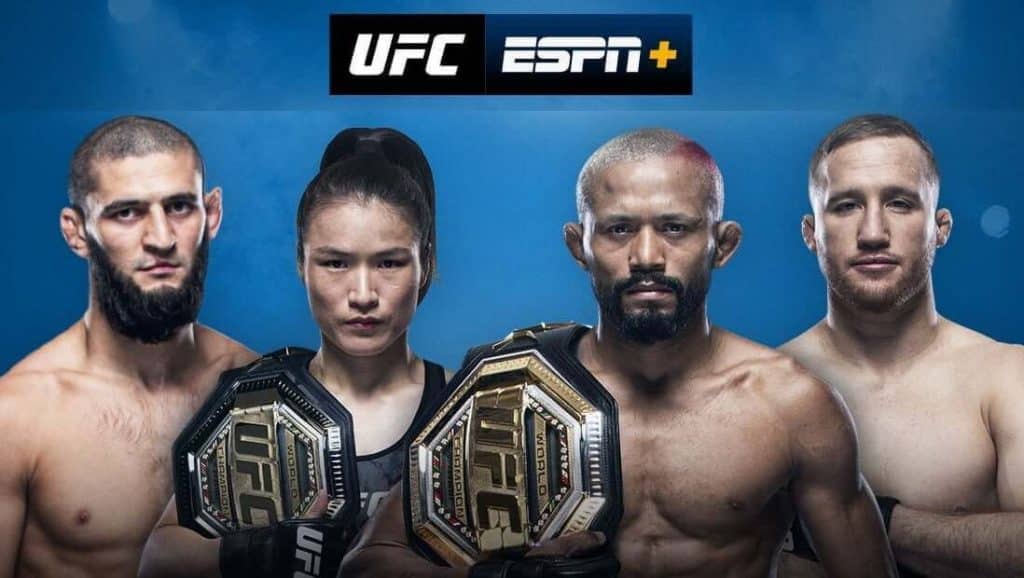
Ever wondered why some UFC fights are on regular TV, others are on a streaming app, and the biggest championship bouts cost over $80? It’s not random. This is the world of UFC media rights, a multi-billion-dollar strategy that determines exactly how to watch UFC events (UFC Media Rights Bidders).
Think of it like Netflix paying a studio for an exclusive movie. In practice, networks like ESPN pay the UFC enormous sums for the sole permission to show its fights, creating the powerful TV deal that fuels the entire sport.
UFC Media Rights Bidders: Your Guide to Watching the UFC: ESPN, ESPN+, and Pay-Per-View Explained
You might catch early UFC preliminary bouts on regular ESPN. This isn’t an accident; it’s a deliberate strategy by the UFC and ESPN to offer a free preview, showcasing up-and-coming talent to the widest possible audience. Think of it as an opening act designed to get you excited for the main event.
For the bulk of the action, you’ll need ESPN+. This streaming service is the exclusive home for “UFC Fight Night” events—the regular, weekly-style cards featuring top-ranked contenders. An ESPN+ subscription unlocks these complete events, which happen dozens of times per year and serve as the consistent diet for dedicated fans.
Then there are the massive, can’t-miss championship showdowns, known as numbered Pay-Per-View (PPV) events. A PPV is like a ticket to a blockbuster premiere; it’s a separate, one-time purchase for a single night of fights, typically costing around $80. In the U.S., you must have an ESPN+ subscription to even have the option to buy these major events, which feature the sport’s biggest stars in title-defining battles.
Following the Money: How the $1.5 Billion Deal Fuels the Sport
This three-part system is the core of a massive $1.5 billion deal that transformed the sport. The arrangement provides incredible financial security for the UFC, which receives hundreds of millions from ESPN annually. This guaranteed income allows the UFC to plan future fights, sign athletes, and expand operations without gambling on the success of every event.
From ESPN’s perspective, the deal is a powerful tool to grow its streaming business. By making most UFC fights exclusive to ESPN+, they created a must-have product for millions of fight fans. People who want to follow the sport have a clear reason to subscribe, turning the UFC into a major driver of ESPN+’s growth. It’s a classic win-win: the UFC gets paid handsomely, and ESPN gets a loyal audience for its platform.
While the ESPN partnership is huge, it’s only for the American market. The UFC runs the same playbook across the globe, signing similar exclusive deals with broadcast partners in other countries, like TNT Sports in the U.K. or Foxtel in Australia. By selling these international media rights, the UFC builds a global revenue machine, stacking one massive television deal on top of another.
UFC Media Rights Bidders: What This Media Strategy Means for You
What once seemed like a confusing maze of channels is now a clear map of how the UFC’s content strategy turns every fight card into a distinct revenue stream. This billion-dollar engine funds the sport’s entire future. The next time you switch apps for a main event, you’ll know you’re not just watching a fight—you’re seeing the blueprint that keeps the UFC on top.