

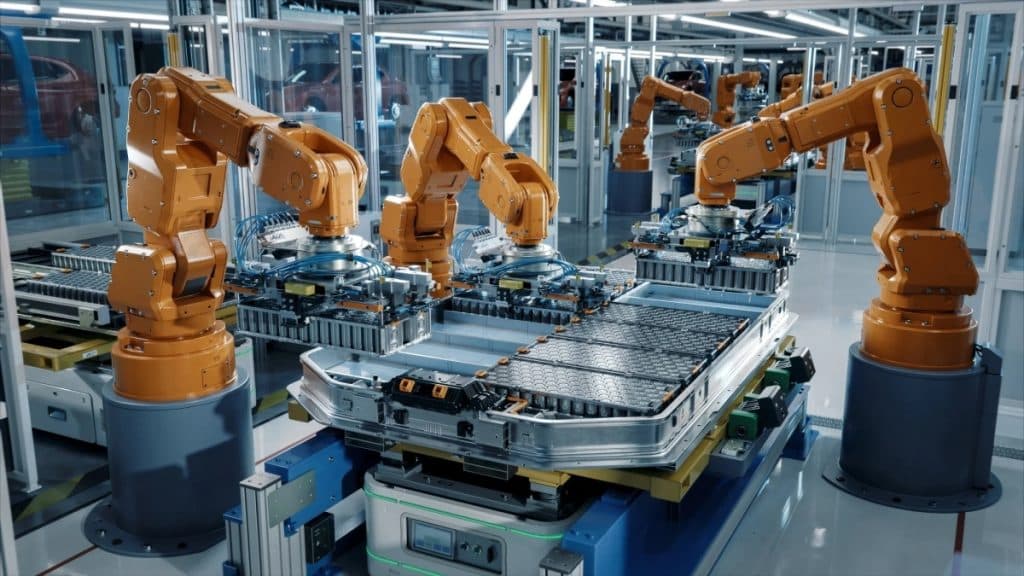
As we venture deeper into the 21st century, the manufacturing industry stands on the cusp of a transformative era driven by automation and digital technologies. Automated control systems, the backbone of smart manufacturing, are poised to redefine production landscapes worldwide.
These systems enable manufacturers to optimise operations, reduce costs, and enhance product quality by integrating advanced algorithms and real-time data analytics. This blog explores how these automated control systems are shaping the future of manufacturing, ensuring efficiency and sustainability in an increasingly competitive market.
The Evolution of Automation in Manufacturing
The journey towards automated control systems in manufacturing has been progressive. Early automation focused on mechanical repeatability and task simplification. Today, the focus has shifted to complex systems capable of decision-making and predictive analysis.
The evolution from simple programmable logic controllers (PLCs) to more sophisticated, interconnected systems signifies a leap towards truly smart manufacturing environments.
Key Technologies Driving Automated Control Systems
- Industrial Internet of Things (IIoT): At the heart of smart manufacturing is the IIoT, which connects machines, workpieces, and systems to collect vast amounts of data for analysis. This connectivity ensures that every component of the manufacturing process is monitored and optimised for performance.
- Artificial Intelligence and Machine Learning: AI and ML algorithms are integral in processing the data collected by IIoT. These technologies predict machine failures, streamline operations, and adapt to new conditions without human intervention, paving the way for autonomous factories.
- Cyber-Physical Systems (CPS): CPS are at the forefront of integrating physical processes with computer-based algorithms. These systems bridge the gap between digital planning and physical execution, enabling more dynamic responses to manufacturing needs and market demands.
Benefits of Automated Control Systems in Smart Manufacturing
The implementation of automated control systems brings myriad benefits to manufacturers:
- Increased Efficiency: Automation reduces the reliance on human labour, thereby decreasing the likelihood of errors and increasing production speed.
- Enhanced Quality Control: Automated systems provide consistent and precise monitoring, ensuring product quality remains high and uniform.
- Cost Reduction: Though initial setup costs can be high, the long-term savings associated with reduced labour costs and increased efficiency make a compelling case for investment.
- Flexibility and Scalability: Modern automated systems can quickly adapt to changes in production volume or design, allowing manufacturers to remain agile in a volatile market.
Challenges and Considerations
Despite their potential, the integration of automated control systems is not without challenges:
- Cybersecurity Risks: As factories become more connected, the risk of cyber attacks Protecting sensitive data and operational integrity is paramount.
- High Initial Investment: The cost of implementing sophisticated automated systems can be prohibitive for smaller manufacturers.
- Skill Gap: There is a growing need for skilled personnel who can manage and maintain these advanced systems, necessitating significant investment in training and education.
Partner with Leading Electrical Brands for Optimal Automation
The future of automated control systems in smart manufacturing is bright and promises significant transformations in the industry. As these technologies continue to evolve, they will play a crucial role in shaping a more efficient and resilient manufacturing sector. For businesses, staying ahead in this technological race will require not just investments in technology but also in building a workforce that can thrive in an increasingly automated world.
Importantly, partnering with reputable electrical brands ensures access to high-quality components that are crucial for the reliability and efficiency of automated systems. Such collaborations can provide the necessary support and innovation needed to navigate the complexities of smart manufacturing. The journey towards fully automated manufacturing is not just about adopting new technologies but also about adapting to a new way of thinking about production, efficiency, and innovation.