

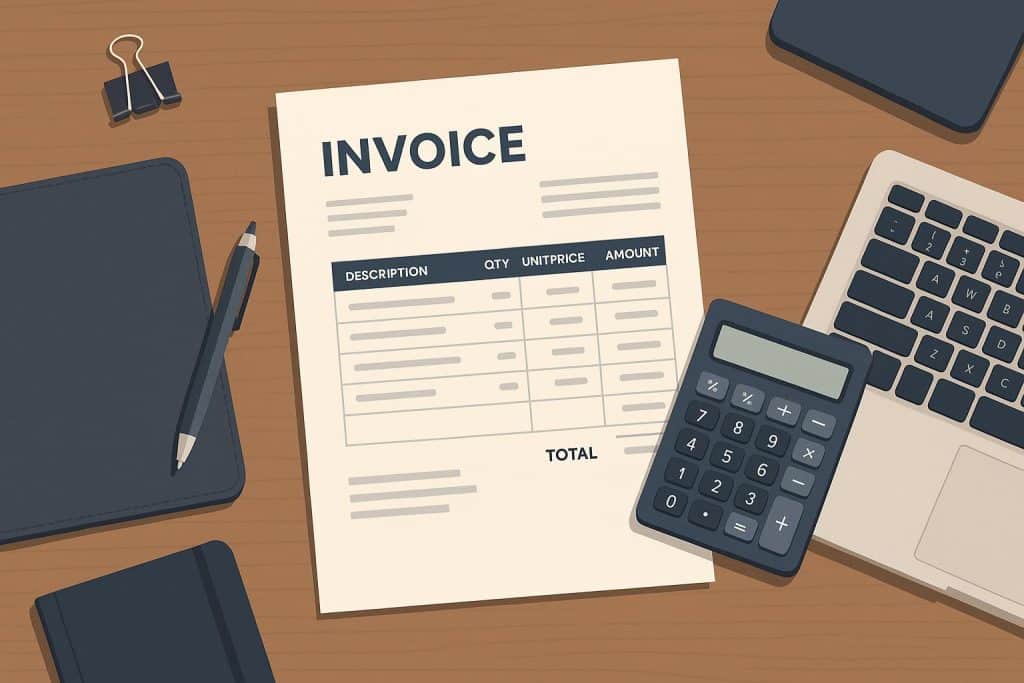
Running a business successfully requires more than offering excellent products or services. Efficient financial management is equally important, and one of the simplest ways to stay organized is by using professional invoice templates. A well-designed invoice serves as more than a payment request—it reflects your business’s professionalism, improves recordkeeping, and helps ensure timely payments.
Whether you’re a freelancer, entrepreneur, small business owner, or part of a growing company, using structured invoice templates can streamline your billing process and leave a positive impression on every client.
Why Professional Invoices Matter
Invoices are official business documents that record completed sales and services. They provide customers with essential information, including payment terms, due dates, pricing, taxes, and contact details. A professionally formatted invoice minimizes confusion, reduces payment disputes, and encourages clients to process payments without unnecessary delays.
Businesses that rely on manually created or inconsistent invoices often face avoidable mistakes, such as missing information or incorrect calculations. Using a standardized template ensures every invoice maintains the same level of accuracy and professionalism.
Key Information Every Invoice Should Include
An effective invoice should contain all the necessary details required for accurate financial records and smooth payment processing. Essential components include:
- Company name and contact details
- Customer information
- Unique invoice number
- Invoice issue date
- Payment due date
- Description of products or services
- Quantity and unit price
- Applicable taxes
- Total balance due
- Accepted payment methods and instructions
Providing complete information makes invoicing transparent while simplifying bookkeeping and tax reporting.
Advantages of Using Ready-Made Invoice Templates
Invoice templates eliminate repetitive work by allowing businesses to reuse a professional format for every transaction. Instead of designing invoices from scratch each time, users only need to update customer information and billing details.
Some of the biggest benefits include:
- Saves valuable administrative time
- Maintains consistent branding
- Reduces manual calculation errors
- Improves financial record management
- Creates a professional customer experience
- Simplifies tax preparation
Many modern templates also support electronic invoicing, making it possible to send invoices instantly through email.
Selecting the Best Invoicing Tool
Choosing the right invoicing solution depends on your business needs. The ideal platform should offer customization, ease of use, automatic calculations, and secure cloud storage.
Businesses increasingly prefer online invoicing software because it allows them to generate polished invoices, manage payment records, and organize financial documents from virtually anywhere. Platforms like Zintego provide flexible invoice templates designed for freelancers, consultants, agencies, retailers, contractors, and many other industries.
Build a Stronger Brand Through Every Invoice
Every document your business sends contributes to your company’s image. Adding your logo, brand colors, fonts, and contact details creates a consistent visual identity that customers recognize instantly.
Professional branding helps establish credibility and demonstrates attention to detail. Even routine invoices become valuable marketing tools when they reflect your company’s identity.
Businesses in industries such as fashion, beauty, technology, and luxury retail understand the importance of presentation because professional design often influences customer confidence just as much as product quality.
Why Digital Invoicing Is Becoming the Standard
Modern businesses are moving away from paper-based billing in favor of digital invoicing solutions. Electronic invoices save time, reduce operating costs, and improve overall efficiency.
Some of the major advantages include:
- Immediate invoice delivery
- Faster customer payments
- Lower printing and mailing expenses
- Secure cloud-based storage
- Environmentally friendly operations
- Better financial organization
Cloud-based systems also allow business owners to access invoices remotely, making financial management easier for teams working from different locations.
Frequent Invoicing Errors That Can Delay Payments
Small mistakes on invoices can slow down payment processing and create unnecessary communication with customers. Some common invoicing problems include:
- Duplicate or missing invoice numbers
- Incorrect client information
- Vague descriptions of services
- Calculation mistakes
- Missing payment deadlines
- Incorrect tax details
- No payment instructions
Reviewing every invoice before sending it significantly reduces the likelihood of payment delays.
Practical Ways to Get Paid Faster
Healthy cash flow is essential for every business. Businesses can encourage quicker payments by following several proven invoicing practices:
- Send invoices immediately after completing work.
- Clearly state payment terms.
- Offer multiple payment options.
- Include an accurate due date.
- Follow up politely on overdue invoices.
- Consider offering early payment discounts.
These simple practices can improve payment turnaround times while strengthening client relationships.
Customize Templates to Match Your Business
No two businesses operate exactly the same way. A freelance designer may only require a simple invoice, while a construction company might need detailed project breakdowns, labor charges, material costs, and tax calculations.
Customizable invoice templates provide the flexibility to adapt billing documents to different industries without sacrificing professionalism. This helps improve communication with customers while reducing administrative effort.
The Future of Business Invoicing
Technology continues to reshape financial management through automation and software integration. Modern invoicing platforms now connect with accounting applications, payment gateways, inventory systems, and customer relationship management software.
Automation allows businesses to schedule recurring invoices, receive payment notifications, monitor outstanding balances, and generate financial reports with minimal manual work. As digital transformation continues, intelligent invoicing solutions will become an essential part of efficient business operations.
Frequently Asked Questions
Why should businesses use invoice templates?
Invoice templates simplify billing, reduce administrative work, improve accuracy, and maintain a professional appearance across every customer transaction.
Can invoice templates be personalized?
Yes. Most templates allow businesses to add company logos, brand colors, payment terms, custom fields, and other personalized information.
Are electronic invoices legally recognized?
In many countries, digital invoices are legally accepted as long as they include all required business and tax information.
When is the best time to issue an invoice?
Invoices should typically be sent immediately after products are delivered or services are completed to encourage prompt payment.
What should I do if a customer misses the payment deadline?
Begin with a polite payment reminder, verify that the invoice was received, and follow the payment terms agreed upon with your client regarding overdue balances.
Final Thoughts
Professional invoice templates are an essential tool for businesses looking to improve efficiency, strengthen customer relationships, and maintain organized financial records. Whether you’re handling a handful of clients or managing hundreds of monthly transactions, a reliable invoicing system saves time, reduces errors, and supports healthy cash flow. By combining professional design, digital convenience, and customizable features, businesses can simplify their billing process while building trust and credibility with every invoice they send.