

The minutes and hours following an intense workout represent a critical window for recovery and adaptation. Your muscles are primed to absorb nutrients, inflammation needs to be managed, and the body requires specific building blocks to repair damaged tissue and build new muscle. While the concept of the post-workout window has evolved (it’s longer than once thought), the importance of proper nutrition timing remains undeniable for serious athletes and fitness enthusiasts.
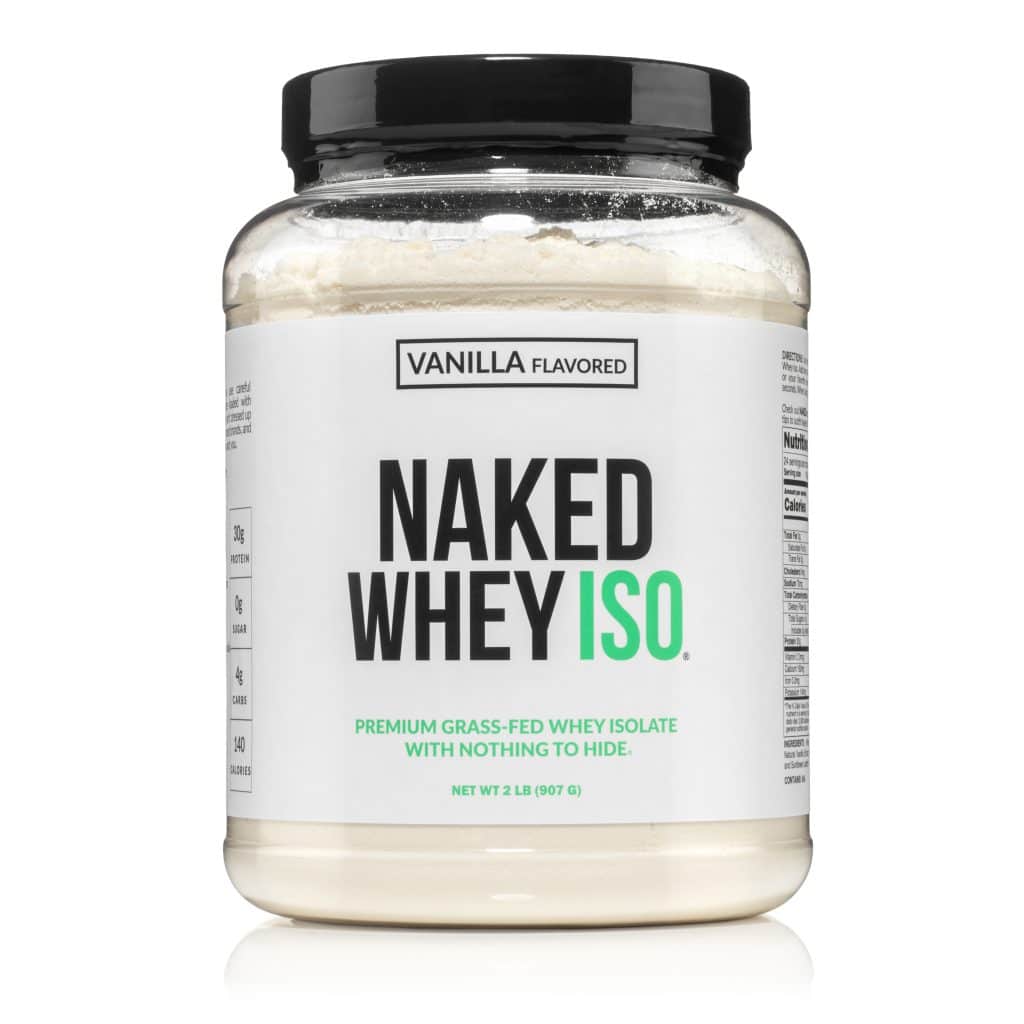
Whey protein isolate stands out as perhaps the single most effective tool for post-workout nutrition. Its rapid absorption, complete amino acid profile, and high leucine content make it ideally suited for kickstarting the recovery process. But the real magic happens when you understand how to strategically use whey isolate as part of a comprehensive recovery protocol.
The Science of Post-Workout Protein Absorption
When you train intensely, you create micro-tears in muscle tissue. This damage triggers a complex cascade of biological responses designed to repair the damage and adapt to the stress. Muscle protein synthesis (MPS) increases, but so does muscle protein breakdown. The net balance between these two processes determines whether you build muscle, maintain it, or lose it.
Whey isolate tips this balance strongly in favor of synthesis. Its rapid digestion means amino acids hit your bloodstream quickly, typically within 30-60 minutes. The high leucine content (approximately 3 grams per 25-gram serving) crosses the critical threshold needed to maximally stimulate MPS. Research consistently shows that 20-40 grams of high-quality protein post-workout maximizes this anabolic response, with the exact amount depending on body weight and training intensity.
The isolate form offers advantages over concentrate here. With minimal carbohydrates, fat, and lactose, the protein gets to work faster without digestive interference. For athletes who train multiple times per day or have limited time between sessions, this speed of absorption can make a meaningful difference.
Practical Timing Strategies
The post-workout window is more forgiving than old-school bodybuilding wisdom suggested. You don’t need to sprint to the locker room and down a shake within 15 minutes. Research indicates that consuming protein within 2 hours of training effectively maximizes MPS, and some evidence suggests the window extends even longer.
That said, sooner is generally better than later. Many athletes find that consuming protein within 30-60 minutes post-workout works well practically and physiologically. It creates a consistent habit, ensures you don’t forget, and provides nutrients when the body is physiologically primed to use them.
Pre-workout protein deserves mention too. Consuming 20-30 grams of whey isolate 30-60 minutes before training means amino acids are already circulating during your workout, potentially reducing muscle breakdown and setting up favorable conditions for post-workout recovery. Some athletes who train early morning or find post-workout eating difficult prefer this approach.
Combining Protein with Other Recovery Modalities
Protein doesn’t work in isolation. The most effective recovery protocols combine nutrition with other evidence-based practices. Carbohydrate co-ingestion helps replenish glycogen stores depleted during training, particularly important after intense or long-duration sessions. A 3:1 or 4:1 ratio of carbs to protein often works well for glycogen-focused recovery.
Hydration and electrolyte balance matter enormously. Even mild dehydration impairs recovery and performance. Many athletes add electrolyte supplements or consume electrolyte-rich foods alongside their protein to address what was lost through sweat.
Progressive recovery protocols combine nutrition with thermal therapy. Many athletes use an infrared sauna session 3-4 hours after workouts to boost circulation and promote deeper recovery alongside their protein supplementation. The heat stress from sauna use may actually enhance the adaptive response to training when properly timed and dosed.
Specific Recovery Hacks
Beyond basic protein timing, several strategies can optimize recovery. Adding 5 grams of creatine to your post-workout shake addresses two recovery needs at once. Creatine supports ATP regeneration and may enhance muscle protein synthesis through its own mechanisms.
Blending whey isolate with tart cherry juice provides antioxidants and anti-inflammatory compounds that can reduce soreness and speed recovery. Some research suggests tart cherry juice reduces inflammation markers and improves sleep quality, both crucial for adaptation.
For summer training or athletes in hot climates, protein ice cream makes recovery enjoyable while addressing hydration needs. Blend whey isolate with frozen fruit, ice, and a liquid base for a refreshing post-workout treat that delivers nutrition and cooling simultaneously.
Meal prep strategies eliminate decision fatigue. Pre-make protein shakes in bulk for the week, storing them in the freezer and pulling one out before training. It thaws during your session and is ready to drink immediately after. Or pre-portion powder into individual containers with any add-ins you use, needing only to add liquid.
Common Mistakes to Avoid
Taking too little protein is probably the most common error. Many people underdose, consuming 10-15 grams when research clearly shows 20-40 grams optimizes the response. Scale your intake to your body weight and training intensity.
Inconsistent timing undermines results. Recovery happens with every session, not just the ones where you remember to have protein. Build it into your routine so it becomes automatic rather than optional.
Focusing exclusively on the post-workout meal while ignoring total daily protein misses the bigger picture. Post-workout nutrition matters, but hitting your total daily protein target (1.2-1.6 grams per pound for athletes) matters more. Spread protein throughout the day across multiple meals for optimal results.
Conclusion
Post-workout nutrition represents one of the most controllable variables in your training and recovery equation. Whey isolate provides the perfect tool: fast-absorbing, complete protein with high leucine content delivered in a convenient form.
But remember that recovery is a system, not a single intervention. Protein timing works best when combined with proper hydration, strategic carbohydrate intake, sleep optimization, and other recovery modalities. Build consistent habits around these practices, and you create the foundation for long-term progress and performance.