

Niv Levy is a Beverly Hills based attorney and licensed general contractor who leads Levy Law Offices and Home Vision Remodel. Drawing on experience in contract drafting, dispute resolution, and hands on construction project management, he advises clients on how to structure and oversee residential and commercial work responsibly. His background includes roles as a legal intern and law clerk, as well as leadership positions during his studies at Southwestern Law School and the University of California, Santa Barbara. Through Home Vision Remodel, he manages estimating, scheduling, and quality control, helping owners align design goals with budgets and regulatory requirements. In his legal practice, Levy focuses on contract review and breach of contract matters that frequently arise from poorly planned or executed projects, giving him practical insight into how to prevent costly construction mistakes before they occur.
How to Avoid Costly Construction Mistakes
Construction projects are complex and require precise planning, coordination, and execution. Even small mistakes can cause safety risks, delays, or major financial losses. Once errors occur, they are often difficult and expensive to fix. To avoid these setbacks, builders must combine skilled execution with detailed preparation, proactive project management, and strict compliance with building codes. Understanding where these common mistakes occur and how to avoid them helps property owners maintain their budget and create projects that meet immediate and long-term needs.
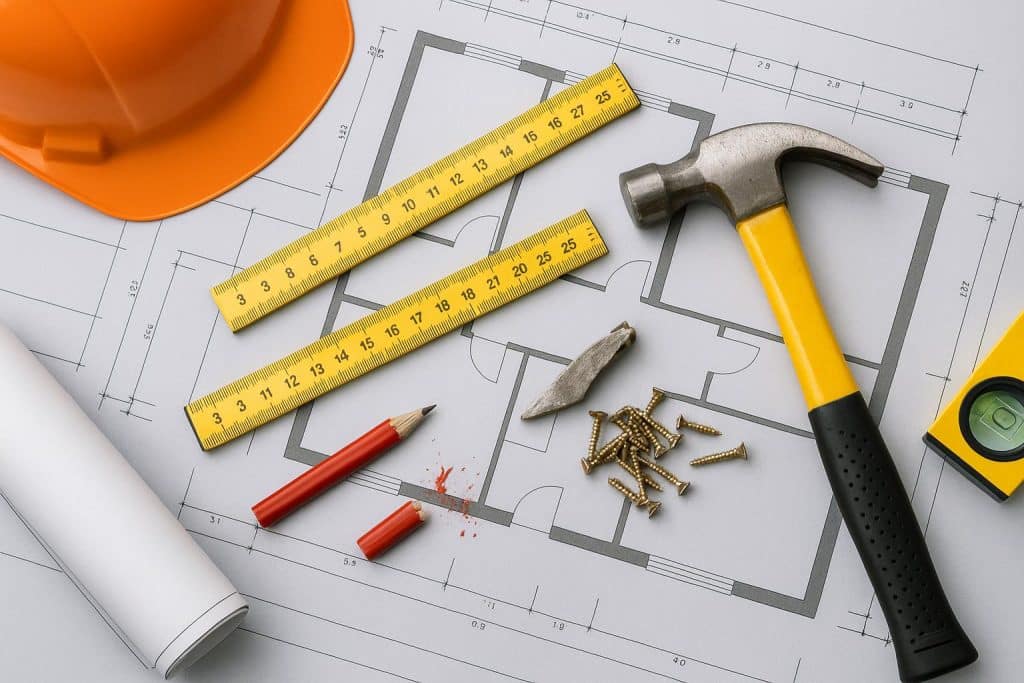
Detailed planning and design form the foundation of a successful construction project. Inadequate preparation is a leading cause of costly mistakes, as unclear blueprints, vague objectives, or inaccurate measurements often lead to mid-project changes and design flaws. To avoid this, architects, engineers, and contractors should collaborate from the outset, carefully review all plans, and verify key dimensions. Companies must also factor in building codes before work begins. Thorough planning not only prevents errors but also helps anticipate challenges such as material shortages, labor demands, and site conditions.
Building codes are not optional. They exist to ensure environmental standards, durability, and safety. Ignoring or misunderstanding the provisions of building codes might result in legal fines, failed inspections, and costly rework. So, contractors must be aware of federal, state, and local regulations that apply to the project before and during construction. It is also important to maintain regular interaction with permitting authorities and building inspectors so that any potential non-compliance is addressed immediately before it becomes too costly to correct.
Budget overruns often happen when builders underestimate material, labor, or time requirements. A reliable estimate should cover not only the obvious expenses such as lumber, concrete, and drywall, but also indirect costs like permits, inspections, and contingency funds. Many professionals now use estimating software and seek advice from experienced project managers to refine their numbers and reduce costly mistakes. Adding a buffer of approximately ten to fifteen percent for unexpected expenses provides projects with the flexibility they need when challenges arise.
Even with strong planning and skilled workers, poor project management can quickly disrupt a construction project. Overlapping tasks, unclear communication, and missed deadlines typically result in rework and increased costs. A capable project manager stays ahead of these issues by coordinating schedules, tracking progress, and resolving conflicts as soon as they appear. Holding regular meetings with stakeholders and inspecting the site daily fosters accountability and helps prevent minor issues from escalating into major setbacks.
Safety is another area that directly affects both budgets and timelines. Accidents and violations can halt work entirely, increase insurance costs, and lead to significant delays. Smart builders invest in worker training, provide the necessary safety equipment, and enforce safety rules on-site. By fostering a culture where safety is the top priority, construction leaders protect their teams and maintain steady progress, thereby reducing both human risk and financial exposure.
Buildings that are not designed with long-term use in mind often lead to higher costs after completion, with frequent repairs, inefficiencies, and early replacements becoming common problems. To avoid this, owners should prioritize sustainable and durable materials that lower lifecycle expenses, ensure the design supports energy efficiency, proper ventilation, and accessibility, and engage designers and contractors in conversations about long-term maintenance needs.
About Niv Levy
Niv Moshe Levy is a Beverly Hills attorney and licensed general contractor who serves as president of Levy Law Offices and Home Vision Remodel. At Levy Law Offices he focuses on contract drafting, review, and breach of contract disputes, while his construction company work includes estimating, project management, and quality assurance. He holds a Juris Doctor from Southwestern Law School and an undergraduate degree from the University of California, Santa Barbara, and is active in community service through substantial pro bono legal work.