

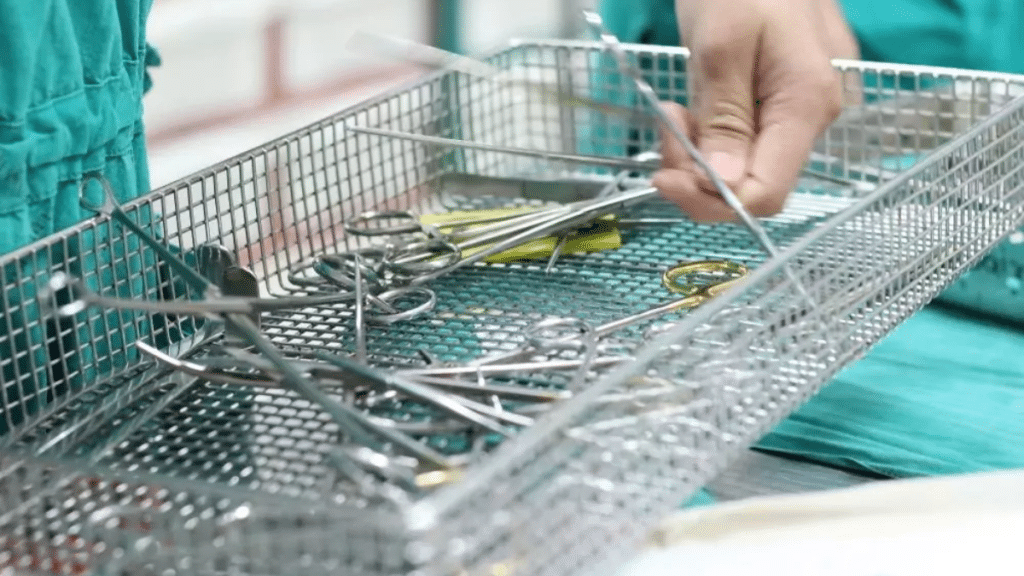
Have you ever wondered what happens to powered surgical tools after an operation? Devices like Aquamantys aren’t just packed away and used again the next day. They go through a full safety check before being reused. And for good reason; patient safety depends on it.
Powered surgical tools are valuable in the operating room, but they must work perfectly every single time. That’s why medical teams follow strict inspection protocols before they’re allowed back in use. In this guide, we’ll walk you through what those protocols look like and why skipping even a small step can lead to serious problems.
Why are these inspection protocols necessary?
It’s easy to assume that if a device looks fine, it is fine. But that’s not always the case. During surgery, powered surgical instruments are subjected to a lot of pressure, fluids, and occasionally rough treatment. Even if there’s no obvious damage, small issues inside the tool can make it unsafe to use again. For devices like Aquamantys, which deliver controlled electrical energy, any failure can be dangerous.
That’s why checks are never optional. They’re part of what keeps patients and staff safe in every procedure.
Start with an Electrical Safety Check
Before anything else, power-based surgical tools need to pass an electrical safety test. These tests help catch problems such as:
- Loose wires or poor connections
- Burned-out parts
- Faulty grounding
- Electrical leakage
If a tool fails any of these tests, it stays out of service until the problem is fixed. Hospitals usually have biomedical teams or technicians who use special testing machines to handle this step.
Calibration
One of the most important steps is calibration. That means adjusting the tool so that it gives out the correct energy level; not too weak, not too strong.
For example, Aquamanty’s tools use radiofrequency energy to help seal tissues during surgery. If the energy output is even slightly off, the result may be poor healing or unnecessary tissue damage.
Regular calibration keeps the tool working exactly as it should. Many facilities do this before every use, while others follow a set schedule depending on how often the tool is used.
The Power of a Simple Visual Check
Sometimes, it’s the basics that save the day.
Before reuse, a staff member should inspect the device carefully by hand and eye. Look for:
- Cracks or worn areas on the surface
- Discoloration or signs of burning
- Loose parts or visible damage
- Worn or missing labels
Even if the tool passed its electrical test, visible damage may still make it unsafe. If something looks off, don’t guess, get a second opinion from a technician.
Sterilization
Surgical tools must be sterilized after every use. That includes powered devices but not all of them can handle high heat. Some need special care.
Make sure the tool was cleaned and sterilized according to the manufacturer’s instructions. Review the cleaning records. If anything’s missing or looks incorrect, the device shouldn’t be reused until everything is in order. Skipping this step could expose patients to infection or contamination.
Document Everything
Each time a device is inspected, calibrated, or repaired, it should be documented. This includes:
- The inspection date
- Name of the person who checked it
- What was tested
- Any repairs made
- Final approval for reuse
Keeping these records helps you stay in line with hospital standards and national health rules. It also helps teams find patterns; for example, if one device breaks often, it may need replacement or upgrades.
Which Devices Need the Most Attention?
Certain tools require extra care, especially those that use electrical energy, rotating parts, or heat. Examples include:
- Aquamanty’s energy sealing systems
- Electric saws and drills
- Electrosurgical units
- Ultrasonic scalpels
These devices are sensitive. That’s why hospitals treat them with extra caution during inspections.
Who’s Responsible for These Checks?
You may wonder who does all this work. Nurses or surgical staff usually do the basic checks like visual inspections and reviewing records. But the in-depth tests, like electrical safety and calibration, are often handled by biomedical engineers or certified technicians.
In smaller clinics, tools may be sent to outside service centers for evaluation. Either way, only trained professionals should approve a device for reuse.
When Should Devices Be Inspected?
There are specific times when powered surgical devices must be inspected:
- Before being reused after surgery
- If they’ve been stored for a long time
- After they’ve been dropped or mishandled
- If they didn’t perform well in the last use
- After maintenance or repair
Routine checks help catch problems early. Some hospitals use a checklist system to make this process smooth and repeatable.
Watch for These Warning Signs
If a device shows any of the following signs, don’t reuse it:
- Delayed startup or irregular power
- Buzzing or burning smell
- Shocks or tingling sensation
- Loose buttons or triggers
- Worn-out cords or loose plugs
These signs may seem small, but they can point to bigger problems inside the device. Always report anything unusual.
What Happens If You Skip These Steps?
Skipping safety checks might save time but it can cost much more later. Faulty surgical devices can:
- Delay a procedure
- Harm a patient
- Lead to lawsuits or complaints
- Damage a hospital’s reputation
- Cost more money in emergency repairs
Tips to Keep Tools in Top Shape
Want your powered devices to last longer and stay safe? Try these habits:
- Store tools in a clean, dry space
- Avoid stacking or cramming them in drawers
- Replace worn parts quickly
- Follow a regular inspection calendar
- Train staff to spot warning signs early
Conclusion
Surgical rooms all over the world rely on instruments like Aquamantys. But only with regular cleaning and proper application can they remain secure and useful.
Every stage of the inspection, from looking over cleaning records to inspecting wiring is important. Don’t ignore it. Everyone is safe when there is an established inspection methodology in place, if you work for a major hospital or a small clinic. This is a good time to update your checklist if you haven’t done so recently.