

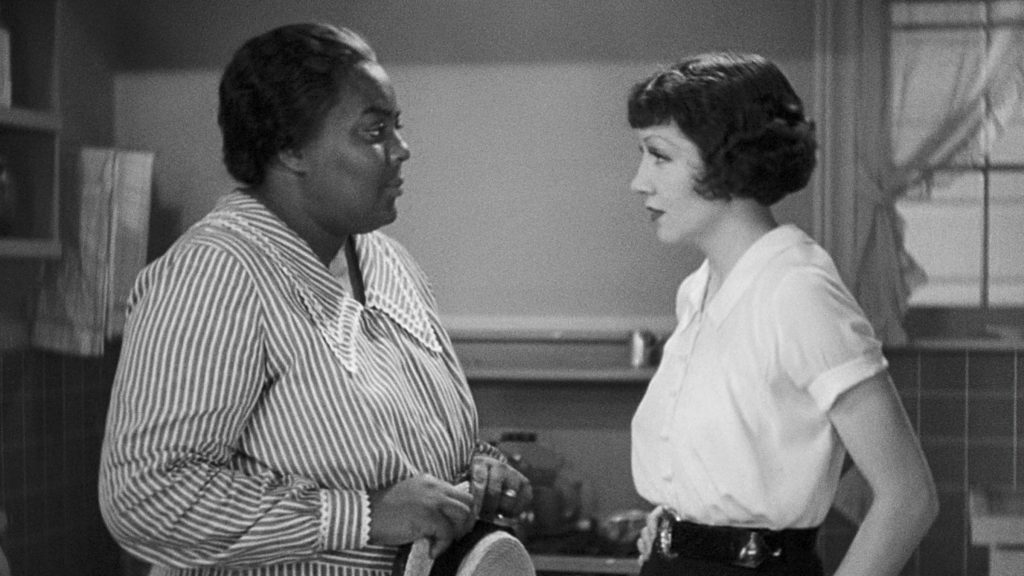
The most heartbreaking conflict in Imitation of Life stems from a painful historical reality known as “racial passing.” In practice, this was the act of a light-skinned African American choosing to live as white to escape the systemic racism and brutal segregation of the era, often at the cost of family and heritage (Imitation Life Movie 1934).
This internal war is embodied by Delilah’s daughter, Peola Johnson. In a performance of astonishing depth by actress Fredi Washington, Peola is desperate for a life of freedom she can see but is told she cannot have. Her desire to pass is not a rejection of her mother’s love, but a heartbreaking grab for dignity.
The film visualizes this immense pressure in one devastating scene. When Delilah visits her at school, a terrified Peola pretends not to know her own mother. This single moment powerfully illustrates the impossible psychological weight her choice required, cementing the film’s place in the history of racial passing in early cinema.
Imitation Life Movie 1934: A Landmark or a Stereotype? Delilah Johnson’s Complicated Legacy
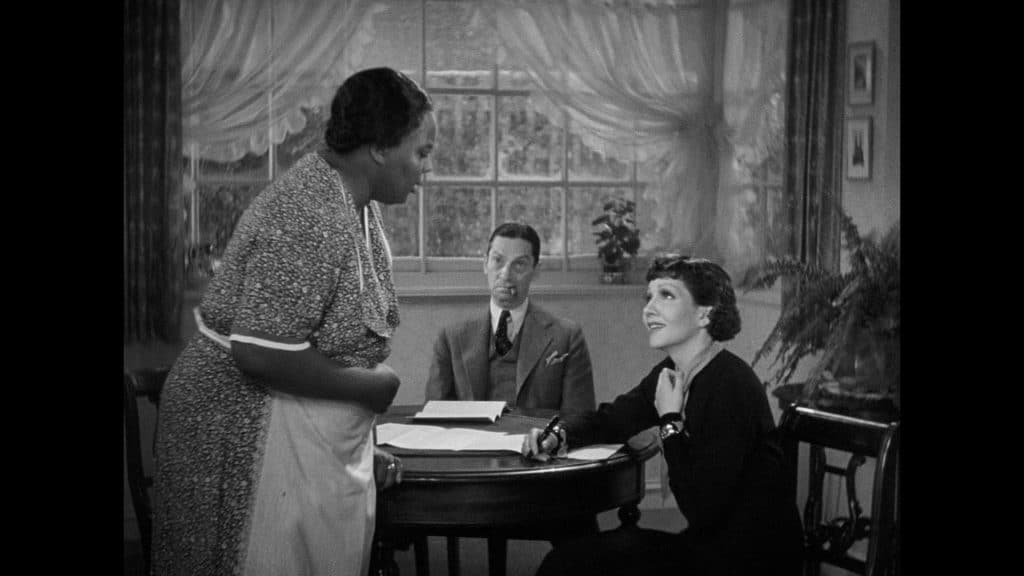
For 1934, giving a Black character a major, emotionally complex storyline was revolutionary. The film centers Delilah Johnson’s deep love for her daughter, portraying her with a dignity rarely afforded to Black actors at the time. This focus on her inner life and sacrifices was a significant, if flawed, step forward for Hollywood.
However, Delilah is also a classic example of the “Mammy” stereotype: the eternally loyal servant. She refuses a share of the business profits, asking only to serve her white employer, Bea. This unshakeable deference, common in films of the era, makes her legacy complicated for modern viewers.
This contradiction was a product of the Hays Code, Hollywood’s strict censorship rulebook. The Code prevented films from directly challenging the social order, meaning the story could show racism’s pain but not attack the system itself. The film pushed boundaries while operating within the era’s restrictive framework.
Why the 1934 Original’s Ending Hits Harder Than the Remake’s
Where you might once have seen only a dated melodrama, you can now recognize the 1934 Imitation of Life for what it is: a quiet but daring statement for its time.
The 1934 movie ending—with Peola’s return to the lavish funeral Delilah chose over profit—is key to its core message. In the 1934 vs 1959 Imitation of Life debate, the remake leaned into class and romance, but the original’s tragedy is rooted unflinchingly in the human cost of race.
Try approaching classic films by asking, “What was this story not allowed to say?” This question helps reveal the cultural impact of the first film, showing it not just as a movie, but as a conversation with history that still resonates today.