

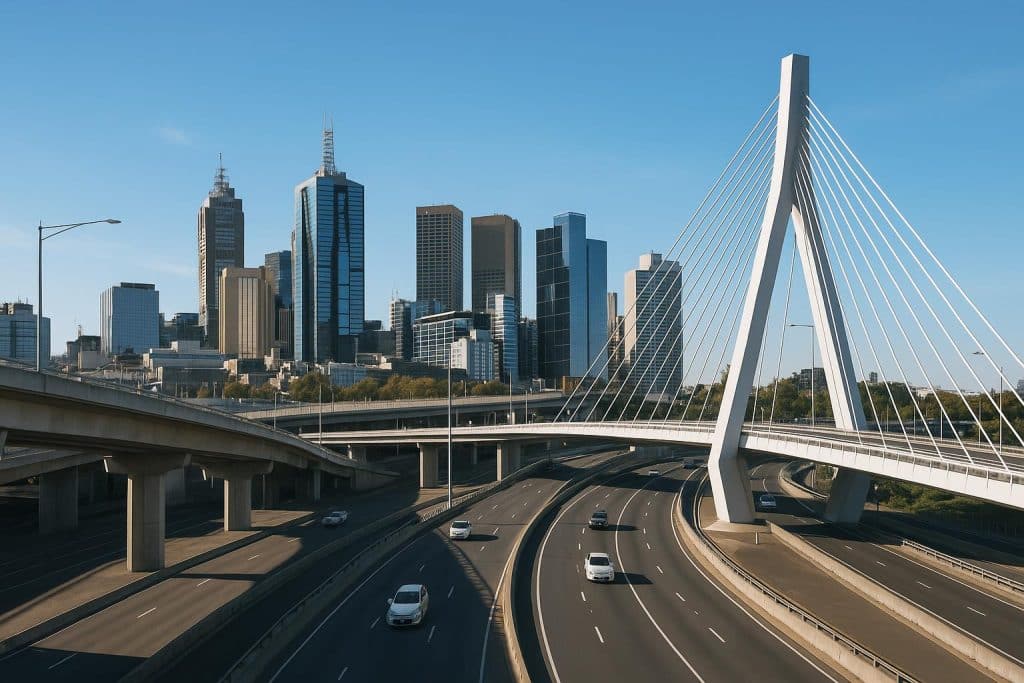
Melbourne’s central business district has always been a place of change. From its early grid of streets laid out in the nineteenth century to the laneway culture, towering skyscrapers and vibrant dining scene of today, the CBD continues to evolve alongside the people who live, work and visit there.
In recent years, investment in transport, public spaces, buildings and technology has been reshaping how the city functions. New infrastructure is making it easier to move around, improving accessibility and creating spaces that encourage people to spend more time in the heart of the city. Even the systems that move people within buildings matter, and upgrades such as new commercial escalators in Melbourne shopping centres, transport hubs and office towers play a quiet but important role in keeping the city flowing.
Transport projects transforming the city
Transport infrastructure has a major influence on how people experience the CBD. Major projects such as the Metro Tunnel are designed to improve rail capacity and reduce congestion on Melbourne’s train network. New underground stations help distribute passenger flows and improve access to key parts of the city.
Melbourne’s tram network, one of the largest in the world, continues to be a defining feature of the CBD. Accessible tram stops, newer low-floor trams and improvements to routes help make public transport easier for more people to use.
Better cycling infrastructure, including dedicated bike lanes and separated paths, is encouraging more people to ride into the city. Walking has also become a priority, with wider footpaths, improved crossings and pedestrian-friendly streets.
Moving people within buildings
As the CBD grows taller and denser, vertical transport has become increasingly important. Escalators, lifts and travelators move thousands of people every day through train stations, shopping centres, office buildings and public spaces.
Modern escalators are designed to be safer, more reliable and more energy-efficient than older models. Features such as variable speed operation, improved safety sensors and regenerative drives help reduce energy use while improving performance.
Well-designed vertical transport can make a big difference to how people experience buildings. Escalators placed in the right locations help distribute crowds, improve accessibility and connect different levels of retail and transport precincts.
Regular maintenance and modernisation are essential to keep these systems running smoothly in busy urban environments.
Smarter, greener buildings and public spaces
Melbourne’s skyline continues to change as new office towers, residential buildings and mixed-use developments rise. Many of these buildings incorporate smart technology and sustainable design.
Energy-efficient lighting, advanced heating and cooling systems, rooftop solar panels and water-saving features help reduce environmental impact. Smart building management systems monitor energy use and adjust operations automatically. Older buildings are also being upgraded to improve efficiency, accessibility and tenant comfort.
Infrastructure isn’t just about roads, rail and buildings. Public spaces play a big part in making cities liveable. Melbourne’s laneways, plazas, parks and riverfront areas provide places for people to meet, relax and enjoy the city. Investment in streetscapes, greenery and public seating helps create more welcoming environments. Urban greening initiatives, such as tree planting, vertical gardens and green roofs, can help reduce urban heat and improve air quality.
Technology and connectivity
Digital infrastructure is becoming just as important as physical infrastructure. Reliable mobile coverage, public Wi-Fi and smart city technologies help support businesses, visitors and residents.
Sensors can monitor pedestrian traffic, air quality and transport usage, providing data that helps city planners make informed decisions. Real-time transport information makes it easier for people to plan journeys and avoid delays.
As remote and hybrid work have changed commuting patterns, the CBD continues to adapt. Many businesses are rethinking how office spaces are used, and the city is increasingly focused on creating vibrant destinations that attract people for work, culture and entertainment.
Accessibility and the future of the city
Modern infrastructure aims to make the CBD accessible to everyone. Level-access tram stops, accessible train stations, lifts, ramps, tactile indicators and improved wayfinding help people with disability, older residents and parents with prams get around the city more easily. Accessible design benefits everyone, from tourists carrying luggage to workers delivering goods.
Melbourne’s CBD will continue to evolve as the city grows and adapts to new challenges. Population growth, climate change, technological innovation and changing work patterns will all influence future infrastructure investment. The goal is to create a city that remains connected, sustainable and enjoyable to visit.
Modern infrastructure is shaping the future of Melbourne’s CBD in ways both large and small. From major transport projects to energy-efficient buildings and reliable escalators, each improvement contributes to a more connected and liveable city. As Melbourne continues to grow, thoughtful infrastructure will remain essential to keeping the city moving.