

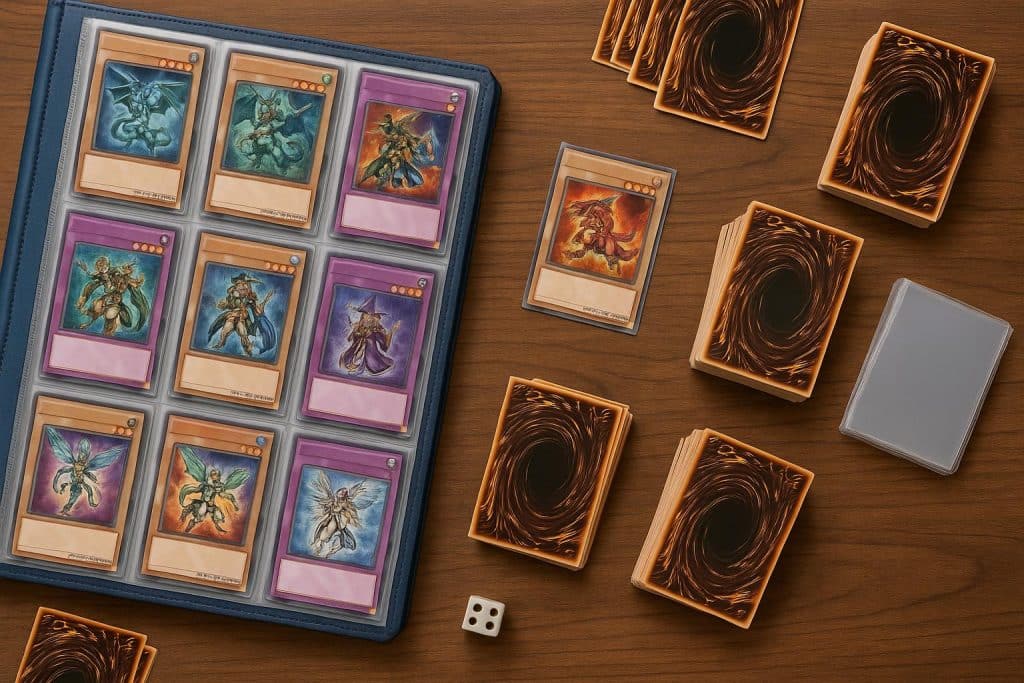
Building a Yu-Gi-Oh collection can be exciting, but it can also become expensive and disorganized if you start without a plan. With thousands of cards, multiple rarities, changing formats, and collectible sets, beginners need a clear system from the beginning.
A good collection is not only about owning rare cards. It should be easy to sort, protect, trade, play, and expand over time.
The best approach is to decide your collecting goal, protect cards early, track what you own, and learn how condition affects value.
Decide What Kind of Collection You Want
Before buying cards, choose the purpose of the collection. This prevents random spending and helps you build with intention.
Some collectors focus on favorite archetypes. Others collect competitive staples, sealed products, vintage cards, artwork, specific monsters, high-rarity cards, or complete sets.
A player-focused collection will look different from a display-focused collection.
If you plan to play, focus on usable cards and deck support. If you want long-term collecting, focus on condition, rarity, and storage.
Your goal should guide every purchase.
Protect Cards From the Start
Card protection should begin before the collection becomes valuable. Yu-Gi-Oh cards are smaller than standard trading cards, so fit matters.
Loose sleeves can allow movement. Tight sleeves can damage corners during insertion.
Using properly sized Yugioh card sleeves helps protect cards from fingerprints, surface scratches, edge wear, and dust while keeping them ready for binders, deck boxes, or storage cases.
Sleeve rare cards immediately after opening packs.
For high-value cards, add a second layer of protection with a top loader, semi-rigid holder, or display case.
Learn Card Condition Basics
Condition affects value more than many beginners expect. A card can be rare but lose value if it has whitening, dents, scratches, creases, or edge damage.
Handle cards carefully.
Wash and dry your hands before sorting. Avoid eating or drinking near cards. Sort on a clean, flat surface.
Condition Factors to Check
Look for:
- Corner wear
- Edge whitening
- Surface scratches
- Foil clouding
- Creases
- Dents
- Centering
- Print defects
- Water damage
Use good lighting when checking condition.
Do not assume a card is near mint just because it came from a pack.
Sort Cards Into Useful Categories
A collection becomes harder to enjoy when every card is stored together. Sorting early saves time later.
Start with broad categories, then refine as the collection grows.
Useful beginner categories include monsters, spells, traps, extra deck cards, staples, archetypes, duplicates, trade cards, and high-value cards.
Collectors may also sort by set, rarity, character, era, or artwork.
Use dividers or labeled boxes to avoid repeated sorting.
Keep trade cards separate from cards you want to keep.
Understand Rarity and Set Codes
Yu-Gi-Oh cards can have different rarities across different sets. The same card name may exist as common, rare, super rare, ultra rare, secret rare, collector’s rare, or other specialty versions.
Check the set code printed on the card.
This code helps identify the exact printing.
Two cards with the same name can have different values based on set, rarity, edition, and condition.
Learning set codes prevents pricing mistakes and helps you avoid overpaying during trades or online purchases.
Build Around Archetypes
Yu-Gi-Oh uses archetypes, which are groups of cards designed to work together. Examples include themes built around specific monsters, mechanics, or play styles.
Beginners often enjoy collecting by archetype because it gives structure to buying and organizing.
Choose one or two themes first.
This is easier than trying to collect everything.
Once you know an archetype, you can identify core cards, support cards, extra deck options, and upgrades.
This approach also helps if you want to build playable decks from your collection.
Track What You Own
Without tracking, beginners often buy duplicates by mistake or forget which cards they already have.
Use a spreadsheet, collection app, or simple notebook.
Track card name, set code, rarity, condition, quantity, storage location, and estimated value.
Collection Tracking Fields
Helpful fields include:
- Card name
- Set code
- Edition
- Rarity
- Condition
- Quantity
- Purchase price
- Storage location
- Trade status
Tracking is especially useful once you start buying singles.
It helps you compare prices and manage your budget.
Buy Singles Carefully
Packs are fun, but singles are usually better when you need specific cards. Buying singles lets you target exactly what you want.
Before buying, compare prices across several sellers.
Check photos, condition notes, seller ratings, shipping protection, and return rules.
For valuable cards, avoid listings with unclear images or vague condition descriptions.
If a price looks too low, check whether the card is damaged, foreign-language, reprinted, or from a lower-value set.
Store Sealed Products Separately
Some collectors keep sealed booster boxes, structure decks, tins, or special collections. These should be stored differently from loose cards.
Keep sealed products away from heat, moisture, sunlight, and crushing pressure.
Do not stack heavy items on top of boxes.
If the packaging condition matters to you, use clear storage bins or display cases.
Sealed products can take up space quickly, so decide early whether they are part of your collection goal.
Trade With a Clear System
Trading is part of the hobby, but it should be done carefully. Bring only cards you are willing to trade.
Know approximate values before making offers.
Use sleeves or a trade binder to keep cards protected.
Discuss condition clearly.
A fair trade depends on rarity, demand, condition, and personal value.
Avoid rushing trades, especially for cards you do not fully understand.
Final Thoughts
A strong Yu-Gi-Oh collection starts with a clear goal, good protection, careful sorting, and basic value knowledge.
Beginners should focus on condition, storage, set codes, archetypes, and tracking before buying heavily.
When your collection is organized from the start, it becomes easier to enjoy, trade, protect, and grow over time.