

If you live on Florida’s Gulf Coast, you already know air conditioning isn’t a luxury—it’s a necessity. In Dunedin, warm temperatures, sticky humidity, salt air, and long cooling seasons put real pressure on home HVAC systems. Even a high-performing unit can struggle in a house with poor airflow, leaky ducts, or too much afternoon sun. If you’re trying to figure out when a new system makes sense, it helps to look past the price tag and focus on comfort, efficiency, and what your home actually needs.
Why a New AC Is Worth the Investment
A new air conditioner does much more than improve summer comfort.It affects how evenly cool air moves through your house, how much moisture stays in the air, and how hard your system has to work every day.
Older units often cool in short, uneven bursts. You get one room that feels like a meat locker and another that still feels damp. That usually points to aging equipment, poor sizing, or airflow issues. Newer systems are better at longer, steadier cooling cycles, which helps with humidity control and temperature consistency.
You’ll also notice the difference in sound and responsiveness. Modern condensers and air handlers tend to run quieter, and smart thermostats can fine-tune schedules around when you’re home. If your current setup rattles, spikes your electric bill, or loses the battle every afternoon, replacement starts looking less like a splurge and more like damage control.
Choosing the Right Size
Bigger is not automatically better in HVAC. That idea has survived far too long, probably because “more power” sounds reassuring. In cooling systems, oversizing can create its own set of problems.
A unit that’s too large may cool your home too quickly, shutting off before it removes enough humidity. The air feels cold but clammy, which is a very Florida-style annoyance. A system that’s too small runs constantly, racks up wear, and still can’t keep up on hotter days.
Proper sizing depends on more than square footage. Contractors should consider insulation levels, ceiling height, window placement, duct condition, shade, and how much sun your home absorbs. Occupancy matters too. A packed household generates more internal heat than a quiet one.
When you’re looking into air conditioner installation in Dunedin, the load calculation should be part of the conversation, not an afterthought squeezed in between brand logos and financing talk.
Must-Have AC Features
Once you start comparing systems, it’s easy to get buried in acronyms, ratings, and marketing promises. Some features genuinely matter. Others are brochure glitter.
A good starting point is the SEER2 rating, which measures cooling efficiency under updated testing standards. Higher efficiency can lower operating costs, though the payoff depends on your usage, utility rates, and how long you plan to stay in the home.
Variable-speed or two-stage systems are also worth a look. They can run at lower capacities for longer periods, helping with humidity and comfort. For Gulf Coast homes, that matters a lot. The thermostat says one thing; your skin says another.
Pay attention to warranty coverage, filter access, and compatibility with existing ductwork. If your ducts leak badly or your return air setup is weak, even a strong new unit can underperform. The equipment matters, but the system as a whole matters more.
Useful things to compare include:
- SEER2 and energy use estimates
- Noise levels for outdoor units
- Compressor type and staging
- Warranty length and registration rules
- Thermostat compatibility
- Ductwork upgrades that may be needed
Why Professional Installation Matters
Even a high-end system can flop if the installation is sloppy. This part gets less attention than brand names, though it has a huge effect on comfort, lifespan, and efficiency.
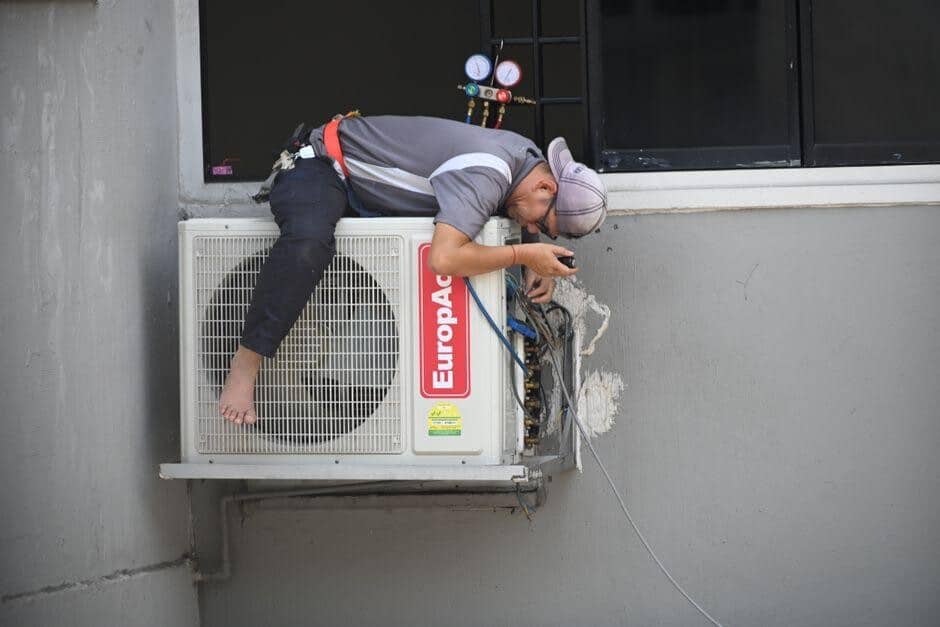
A proper installation includes checking refrigerant charge, verifying airflow, sealing duct connections, confirming drainage, and testing controls. If any of that is off, the unit can short cycle, freeze up, waste energy, or struggle to dehumidify. Not exactly the glamorous future promised in the sales pitch.
The installer should also look at practical details inside your home. Is the return air path adequate? Is the air handler accessible for service? Is the condensate line protected against clogs and overflow? In humid climates, small installation mistakes can turn into mold-friendly headaches faster than you’d think.
If you’re replacing an older system, ask whether the existing pad, line set, and electrical components are still suitable. Reusing parts can be fine when they’re in good shape. Reusing bad components to save a little money often leads to much higher repair costs later.
Consider the Total Cost of Ownership
The upfront cost gets the spotlight, but the full cost of ownership matters more. A cheaper system may cost you more over time if it runs inefficiently, needs frequent repairs, or can’t control humidity well enough to keep you comfortable.
Think about your budget in layers:
- Purchase and installation cost
- Monthly utility bills
- Maintenance needs
- Repair risk after warranty periods
- Potential duct or insulation improvements
Financing can make replacement possible sooner, especially if your old unit is on its last legs during peak summer. Still, it helps to compare total repayment cost, not just monthly payment size. Low monthly numbers can make financing appear more affordable than it actually is.
You should also weigh timing. Replacing a failing system before a complete breakdown gives you more time to compare options, schedule work, and avoid emergency pricing pressure. Waiting until the house feels like a greenhouse with Wi-Fi tends to reduce your bargaining power.
Signs It’s Time to Replace Your AC
Some AC systems fail dramatically. Others fade in slow, annoying ways that are easy to ignore until the pattern becomes obvious. If your unit is over 10 to 15 years old and showing multiple issues, replacement may be the smarter move.
Watch for signs like uneven cooling, rising utility bills, frequent repairs, weak airflow, or humidity that never seems to leave. If your system still uses older refrigerants that are expensive or difficult to source, repair decisions can get ugly fast.
A home energy audit can help if you’re not sure the AC is the main problem. In some houses, insulation gaps, duct leaks, or poor attic ventilation are doing half the damage. Replacing the unit alone won’t fix every comfort issue.
The best decision usually comes from looking at the whole picture: age, repair history, comfort problems, and operating cost. A well-chosen system installed correctly can improve daily life in ways you feel immediately, especially in a place where the cooling season seems to have a very confident personality.
Choosing the right air conditioner isn’t just about buying newer equipment—it’s about improving your home’s comfort, energy efficiency, and long-term reliability. By considering proper sizing, key features, installation quality, and overall ownership costs, you’ll be better equipped to choose a system that meets your needs today and performs well for years to come.