

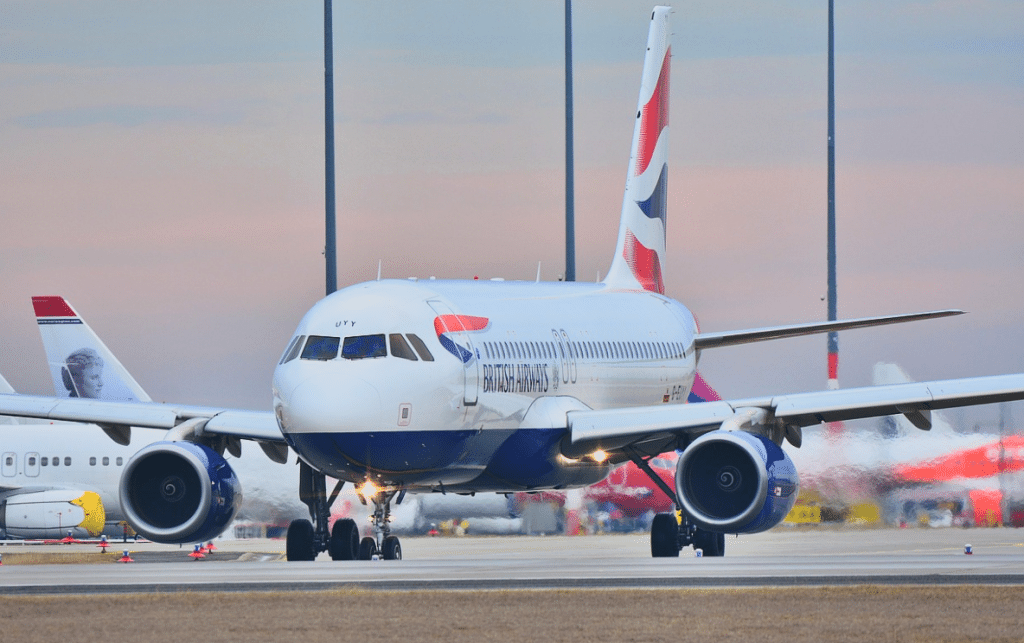
Getting to and from Heathrow is one of those things that seems straightforward until it isn’t. The airport handled 84.5 million passengers in 2025, making it the busiest in the UK by some distance. That volume, spread across four terminals, a constantly changing drop-off regime, and one of the most congested road networks in Europe, means that getting your ground transport right matters more at Heathrow than at almost any other airport in the country.
Airport transfers Heathrow have become the default choice for a growing number of travellers, not because they’re the cheapest option on paper but because they’re the most reliable when reliability is what actually matters.
The Drop-Off Situation Has Changed and Most People Haven’t Caught Up
As of 2026, Heathrow charges £7 for ten minutes at terminal forecourts and that cost is only going one way. Every major London airport now charges for terminal drop-offs and the era of pulling up outside departures and jumping out with your bags is effectively over for anyone who hasn’t accounted for it.
The practical consequence for anyone using a personal vehicle or asking a family member to drop them off is that the clock starts the moment the car enters the forecourt. That’s fine for a quick drop with no traffic and no luggage complications. It’s significantly less fine at seven in the morning when everyone else is doing the same thing.
A pre-booked transfer absorbs all of that. The terminal charge is included in the agreed price, the driver manages the timing and the approach, and you’re not sitting in a queue watching money tick away while your bags are still in the boot.
Why Pre-Booking Beats Turning Up and Hoping
Heathrow doesn’t allow private vehicles or taxis to pick up passengers from terminal forecourts. All pick-ups must happen from the Short Stay Car Parks at each terminal, which are covered, step-free, and typically three to six minutes from arrivals. That’s manageable when you know what you’re doing. It’s less manageable after a long-haul flight when you’re tired, jet-lagged, and trying to find a driver you’ve never met before.
Pre-booked transfers solve this from the beginning. Good operators track your flight number in real time, which means if your arrival is delayed or early your driver already knows. They meet you inside arrivals with your name on a board, help with luggage, and escort you directly to the vehicle. No negotiating on the kerb, no surge pricing, no guessing whether a ride-share driver is going to accept your job from the airport.
For business travellers particularly, this predictability matters. Arriving relaxed and on schedule for a meeting isn’t a luxury consideration. It’s a practical one.
The Terminal Question People Underestimate
Heathrow has four active terminals and they’re not all next to each other. Terminals 2 and 3 are clustered around the central zone. Terminal 4 sits apart from the main complex and is connected via internal transport. Terminal 5, the largest, primarily handles British Airways long-haul and is where the majority of intercontinental arrivals come in.
Each terminal has its own pickup procedures, its own layout, and its own quirks. Knowing which terminal you’re arriving into before you land isn’t just helpful, it’s essential for coordinating a smooth pickup. A good transfer provider will have this covered and will confirm the meeting point for your specific terminal as part of the booking confirmation. If a provider doesn’t mention terminal-specific pickup details, that’s worth noting.
What the Transfer Options Actually Look Like
The Elizabeth line is genuinely impressive and for solo travellers heading into central London with manageable luggage, it’s fast and cost-effective. Heathrow to Paddington, Bond Street, or Canary Wharf in 35 to 45 minutes. The Piccadilly line takes longer at 50 to 60 minutes but serves more central stops and costs significantly less.
Where private transfers make the clearest case is with groups, families, anyone with significant luggage, travellers heading outside central London, and anyone who’s just done a long-haul flight and wants to sit in a car rather than navigate the Underground with cases. For groups of three or more, the per-person cost of a private transfer often competes directly with public transport once you factor in tickets, handling fees, and the general chaos of moving luggage through a busy station.
Long-distance transfers from Heathrow to destinations outside London, covering Birmingham, Manchester, Leeds, Bristol, and further afield, are also growing in popularity because one direct vehicle is simply easier than a connection involving rail changes, taxis at the other end, and the unpredictability that comes with each handoff.
What to Check Before Committing to Any Provider
Flight monitoring should be standard, not an optional extra. Any transfer provider that doesn’t track your flight and adjust pickup timing automatically isn’t worth booking, particularly for arrivals where delays are outside your control.
Fixed pricing matters too. A confirmed price at the time of booking with no surge adjustments and no surprise additions on arrival is the baseline you should expect. Transparency about what’s included, terminal charges, waiting time allowance, and meet-and-greet arrangements, tells you a lot about how a provider operates before you’ve experienced any of it.
Check the vehicle options against your actual requirements. A standard saloon is fine for one or two passengers with modest luggage. Anyone with a family, a group, or a serious amount of luggage needs to think about vehicle size before booking and confirm boot capacity explicitly.
Book ahead. Leaving it to chance at Heathrow, particularly at peak departure times or after a busy arrival wave, is the kind of decision that costs more time and money than the booking itself would have.