

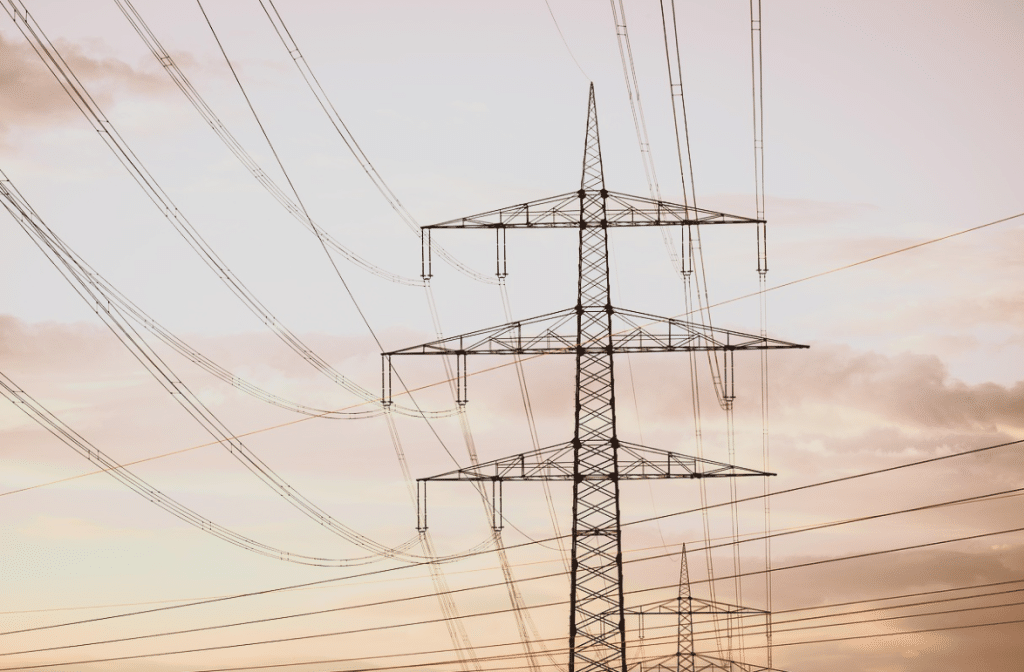
Power cuts don’t give notice. A planned maintenance shutdown runs over. A construction site gets connected to grid power three weeks later than expected. A storm takes out supply to a facility that can’t afford to stop. These aren’t unusual scenarios in the North East. They’re regular occurrences across Tyne and Wear, County Durham, Teesside, and the surrounding region. What separates a manageable disruption from a costly one is usually whether proper power backup was arranged in advance.
Generators North East covers a specific geography with specific demands, and it’s worth understanding what those demands look like before you start making calls.
The North East Has a Particular Set of Power Needs
The region’s industrial base runs heavier than most of the UK. Manufacturing, construction, food processing, offshore support, and public infrastructure are all active sectors across Newcastle, Gateshead, Sunderland, Middlesbrough, and the surrounding areas. Each of those sectors has power requirements that a domestic standby generator simply won’t address.
At the same time, the North East has a significant rural spread. Farms, estates, remote sites, and facilities well outside main grid infrastructure all need reliable power solutions that urban areas take for granted. A generator that suits a construction site in Cramlington is a completely different piece of kit from one that keeps a cold storage facility operational in Northumberland during a grid fault.
The first decision, before anything else, is being clear about what you actually need the generator to do.
Diesel Remains the Industrial Default and for Good Reason
Most commercial and industrial generator work in the North East runs on diesel. The reason is straightforward. Diesel generators are more fuel-efficient than petrol under continuous load, handle sustained heavy-duty operation more reliably, and are available in capacities ranging from modest site units up to 1250 kVA and beyond for large-scale facility backup.
Petrol generators make sense for smaller, shorter-term applications. Light tools, temporary lighting, small events. They cost less to hire, produce less noise in some configurations, and are easier to move around. But for anything running continuously or drawing significant load, diesel is where the reliability is.
Silent generators are worth knowing about for noise-sensitive applications. Events, residential areas, night works, filming and broadcast. The noise attenuation on modern silent units has improved considerably and they don’t compromise significantly on output. If the location requires it, the option is there without having to sacrifice power.
Sizing Gets People Into Trouble More Than Anything Else
Underspecifying a generator is a common and expensive mistake. A unit that’s running at or above its rated capacity overheats, uses fuel inefficiently, and fails earlier than it should. An undersized generator on a construction site or production facility means something won’t run when it needs to. That costs more in downtime than the difference in hire cost ever would have.
Getting the sizing right means knowing the total load the generator needs to carry. Not just what’s running right now, but what might come on during operation. Three-phase loads, motor start-up surges, welding equipment, and HVAC systems all pull significantly more current at start-up than their running load suggests. A competent supplier will ask the right questions before recommending anything.
For planned shutdowns and maintenance work, the calculation is usually cleaner because you know exactly what needs to stay powered. For emergency or standby backup, accounting for worst-case scenarios matters more. A generator that covers your average load but not your peak is a generator that fails you when you need it most.
What IoT Monitoring Has Changed for Generator Users
Remote monitoring is now standard on most commercial generator hire arrangements rather than an optional extra. Sensors track fuel levels, load, oil pressure, coolant temperature, and
battery condition in real time. Alerts flag developing problems before they become failures. For sites running unattended or facilities where a generator failure at three in the morning would be a serious problem, this capability has genuinely changed the risk profile of operating on generator power.
Bad fuel is one of the leading causes of generator failure, particularly on units that have been sitting idle. Diesel degrades over time and water contamination accelerates that process. A generator that sat through winter on stale fuel and then fails to start during a power cut is a scenario that regular testing and fuel monitoring prevents. Any supplier worth using will have a maintenance regime that addresses this.
Hire or Buy: The Decision Most Sites Face Eventually
For most North East businesses, hire makes sense for temporary, event, or emergency applications. The flexibility is there, the maintenance is handled, and you’re not carrying capital on equipment that sits idle most of the year.
For facilities with ongoing standby requirements, the maths shifts over time. A business that regularly relies on generator backup for planned maintenance windows or that operates in an area with grid reliability concerns may find that ownership becomes more cost-effective after two or three years of hire costs. That calculation depends on usage frequency, required maintenance capability, and whether the organisation has the resource to manage the equipment properly.
The honest answer is to run the numbers for your specific situation rather than assuming one model works better than the other.
What to Confirm Before Any Generator Is Delivered
Ask what load testing the unit has undergone before delivery. A generator that hasn’t been tested under representative load conditions is an unknown quantity. Ask about fuel management. Who is responsible for ensuring the tank is filled during extended hire periods? Ask what the callout response time is if something goes wrong out of hours. For critical applications in particular, the answer to that last question should be both fast and specific.
Get the specification in writing. Output, fuel type, noise rating, transfer switch arrangement, and any connection requirements should all be confirmed before delivery day rather than on it.