

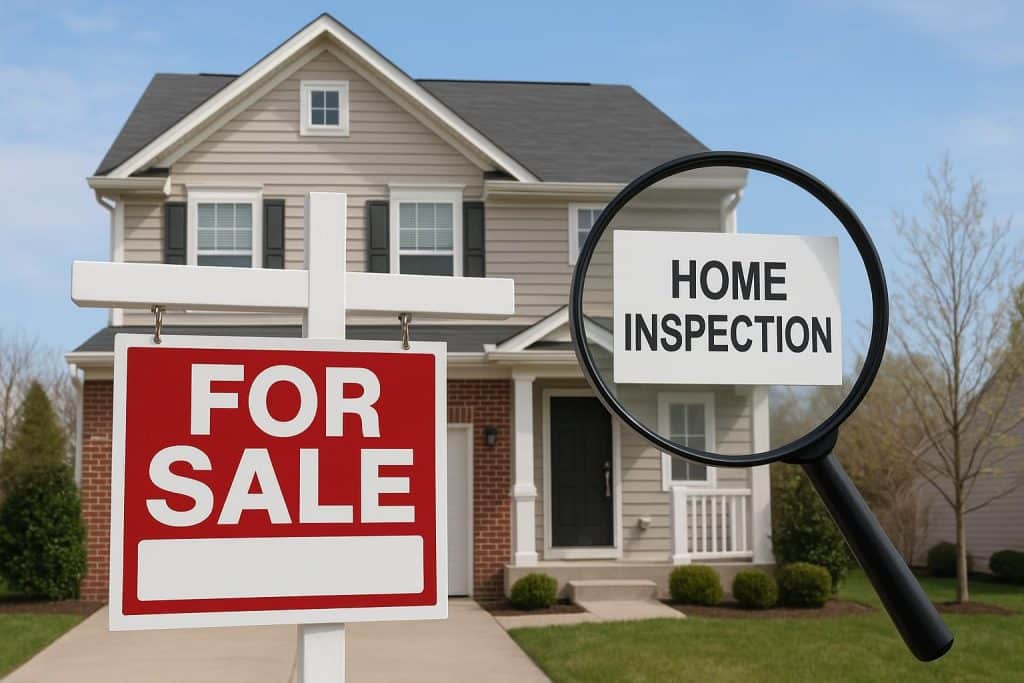
Buying a home is an exciting milestone, but it can also be an overwhelming process filled with uncertainty. As you tour open houses, it is easy to fall in love with aesthetic features like granite countertops, hardwood floors, or a beautifully landscaped yard. However, it is what lies beneath the surface that truly determines the value and safety of a home. To ensure you are making a sound decision, hiring a certified, professional home inspector is one of the most important steps you can take before closing the deal.
The Role of an Objective Third-Party Evaluator
A home inspector serves as an unbiased, third-party evaluator whose sole job is to assess the physical condition of the property. Unlike real estate agents or sellers, who have a financial interest in the sale, a professional inspector has no stake in whether you buy the house or not. Their only goal is to provide you with an honest, accurate, and comprehensive report on the home’s structural and mechanical systems.
According to the American Society of Home Inspectors (ASHI), a professional inspection is designed to identify material defects that could significantly affect the value, safety, or habitability of the home. Having this objective perspective allows you to step back from the emotional excitement of home buying and look at the property through a practical, financial lens.
Uncovering Hidden Safety Hazards
While cosmetic issues are easy to spot, serious safety hazards are often hidden from view. An experienced inspector knows how to identify dangerous conditions that could put your family at risk. These include outdated or faulty electrical wiring that poses a fire hazard, carbon monoxide leaks from aging furnaces, or structural damage from wood-destroying insects.
Additionally, inspectors look for signs of mold and water damage, which can lead to serious respiratory issues and poor indoor air quality. By identifying these hazards before you move in, you can ensure that the home is safe for your family or require the seller to address these critical safety issues as a condition of the sale.
Long-Term Financial Planning and Maintenance
A home inspection is not just a tool for negotiation; it is also a valuable manual for future home maintenance. Your inspector will point out the location of main water shut-off valves, explain how your heating and cooling systems operate, and provide tips on how to maintain the property over time.
Understanding the age and expected lifespan of major components—such as the roof, water heater, and HVAC system—allows you to budget for future replacements. Instead of being blindsided by a failing furnace three years down the road, you will have a clear roadmap of what to expect, allowing you to manage your homeownership costs proactively.