

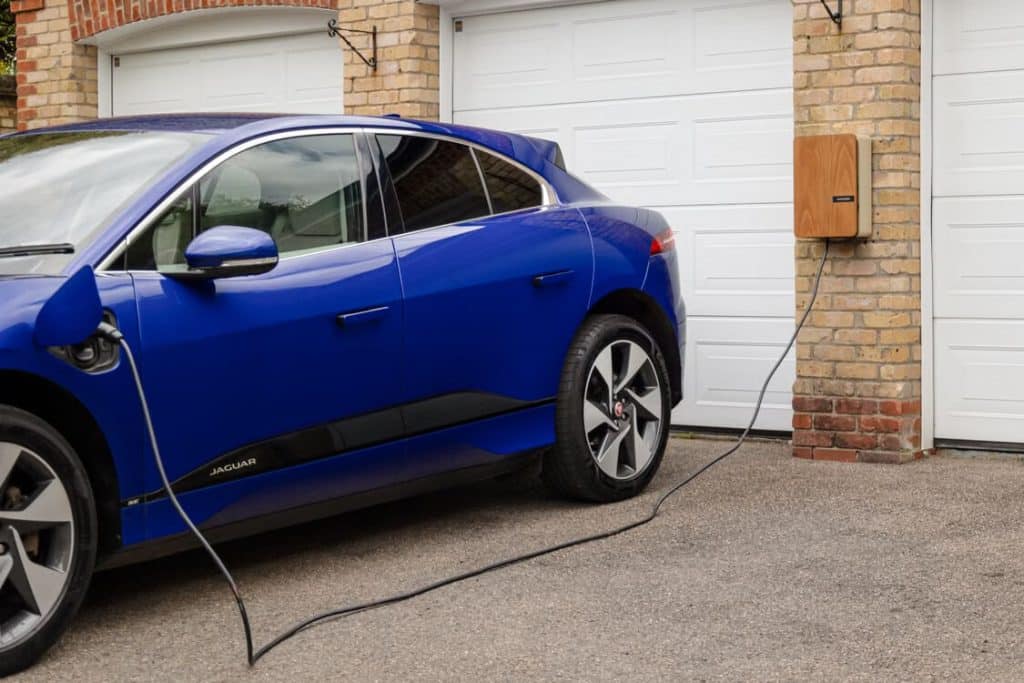
Investing in EV charging infrastructure is a long-term decision. A system that meets today’s needs may not be enough as electric vehicle adoption grows, charging technologies evolve, and business requirements change.
For property owners, fleet operators, developers, and other organizations, future-proofing means looking beyond the initial installation. The goal is to build infrastructure that can adapt, expand, and remain useful for years without requiring a complete replacement.
Plan for Growth From the Beginning
One of the most common mistakes businesses make is designing EV charging infrastructure only around current demand.
A property may need just a few chargers today, but demand can grow as:
- More employees and customers switch to EVs
- Fleets become increasingly electrified
- Tenant expectations change
- EV ownership expands in the local market
A future-proof system should be designed with expansion in mind. This may include reserving space in electrical panels, installing additional conduit, and planning electrical capacity for future charging stations.
Preparing the infrastructure in advance is usually far less expensive than rebuilding it later.
Choose Scalable Charging Hardware
Not every business needs to install dozens of chargers immediately. In many cases, a phased approach is more practical.
Scalable EV charging infrastructure allows businesses to:
- Start with current demand
- Add chargers as usage increases
- Avoid unnecessary upfront costs
- Expand without replacing existing equipment
Commercial charging solutions from companies like CyberSwitching are designed for businesses that need flexibility over time.
Founded in 1994 and holding more than 40 patents in EV charging and power management, CyberSwitching develops commercial charging systems with flexible power configurations, network connectivity, and smart energy management features.
This allows businesses to create charging infrastructure that can adapt as their requirements change.
Prioritize Open Standards and Interoperability
Technology changes quickly. A charging system that relies entirely on one proprietary platform may become difficult or expensive to upgrade in the future.
OCPP-compatible EV chargers provide greater flexibility by allowing communication between charging hardware and different management platforms.
This can help businesses:
- Change software providers when needed
- Integrate new management tools
- Add advanced payment options
- Avoid unnecessary hardware replacement
Choosing open and widely supported technologies helps protect the value of the original investment.
Use Smart Load Management
Future-proofing is not only about adding more chargers. It is also about making better use of the electrical capacity already available.
As the number of EVs increases, unmanaged charging can lead to:
- Electrical overload
- Higher demand charges
- Expensive infrastructure upgrades
Smart load management helps distribute available power across multiple vehicles.
For example, the system can provide more power to vehicles that need to depart soon while reducing charging speeds for vehicles with more flexible schedules.
This allows businesses to support more charging stations without automatically increasing electrical capacity.
Consider Total Cost of Ownership
The cheapest charger is not always the best long-term investment.
When evaluating EV charging equipment, businesses should consider:
- Hardware reliability
- Maintenance requirements
- Energy efficiency
- Software compatibility
- Expansion capabilities
- Warranty and technical support
A system with a lower upfront price may become more expensive if it requires frequent maintenance or cannot support future expansion.
Long-term value is more important than the initial purchase price alone.
Invest in Reliable Equipment
Downtime directly reduces the value of EV charging infrastructure.
For commercial applications, unreliable chargers can lead to:
- Lost charging revenue
- Frustrated customers and tenants
- Fleet operational disruptions
- Additional service costs
Commercial-grade equipment designed for frequent use provides a stronger foundation for long-term infrastructure investment.
Remote monitoring and diagnostics can also help identify problems more quickly and reduce the time required to restore service.
Plan for Software Evolution
The future of EV charging will depend increasingly on software.
Charging management platforms are becoming more advanced, offering:
- Energy monitoring
- Automated load balancing
- Dynamic pricing
- Remote diagnostics
- Usage analytics
- Integration with building energy systems
A future-proof charging system should be capable of supporting new software features as they become available.
This is another reason why network connectivity and open communication standards are important when selecting equipment.
Prepare for Different Charging Needs
Future EV users will not all have the same requirements.
A commercial property may eventually need to support:
- Employee vehicles
- Customer charging
- Fleet vehicles
- Residential tenants
- Short-term visitors
A flexible infrastructure strategy allows businesses to adapt charging speeds, access rules, and pricing models to different users.
This is particularly important for properties that serve multiple functions, such as mixed-use developments, hotels, and commercial campuses.
Take Advantage of Incentives Strategically
EV charging incentives can significantly reduce installation costs, but businesses should consider more than just the incentive available today.
Selecting equipment that qualifies for multiple rebate programs can provide greater flexibility across locations and future expansion projects.
It is also important to understand program requirements before purchasing equipment or beginning installation, as some incentives require pre-approval.
Think Beyond the Initial Installation
A future-proof EV charging project should be treated as an evolving system rather than a one-time construction project.
Before installation, businesses should ask:
- How many EVs might use this site in five or ten years?
- Can the electrical system support additional chargers?
- Can the software platform adapt to new technologies?
- Can the equipment be integrated with energy management systems?
- What happens if the business changes charging network providers?
Answering these questions early can prevent costly limitations later.
Final Takeaway
Future-proofing an EV charging investment requires more than choosing a powerful charger. It means creating infrastructure that can adapt to changing demand, technology, and business requirements.
The strongest long-term strategies combine:
- Scalable infrastructure
- Smart load management
- Reliable commercial hardware
- Open communication standards
- Flexible software
- Long-term electrical planning
Businesses that plan beyond their immediate needs can expand charging infrastructure more efficiently and protect the value of their investment as the EV market continues to evolve.