

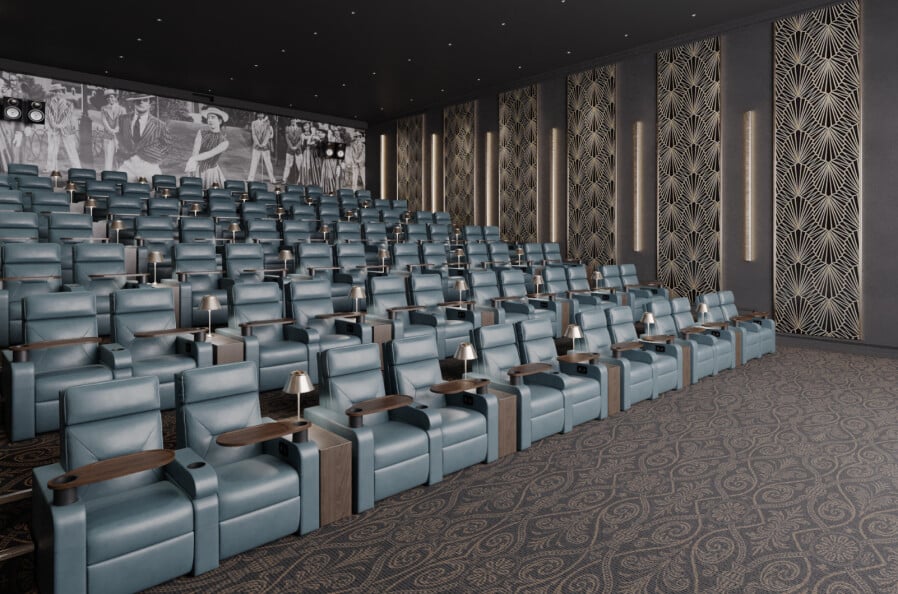
Cinema theater seating is exposed to heavy daily use. Popcorn crumbs, beverages, grease, perspiration, dust, and cleaning products regularly come into contact with seat surfaces.
Fabric, genuine leather, PU (polyurethane), and PVC (polyvinyl chloride) respond differently to moisture, cleaning agents, solvents, and abrasion. Using the wrong method can lead to staining, discoloration, surface damage, or premature deterioration.
The following sections cover the proper cleaning and maintenance methods for fabric, PU/PVC, and genuine leather cinema theater seating.
How to Clean Fabric Cinema Theater Seating
Fabric is common in traditional and large-format theaters for its breathability and acoustic performance, but it readily absorbs drinks, popcorn grease, and stains on movie cinema seats.
1. Daily Cleaning and Stain Removal
- After screenings, vacuum with a soft-brush attachment, focusing on cushion and backrest gaps.
- Absorb spilled drinks promptly with a dry microfiber cloth. Apply a neutral, low-foaming fabric cleaner from the outer edge toward the center. This is a practical approach to how to remove stains from seats without harming the fabric.
- Use a professional extraction cleaner quarterly with cold or warm water, then dry the cinema theater seating with industrial air movers.
2. Incorrect Cleaning Methods
- Avoid strongly acidic cleaners as well as bleach, ammonia, and other highly alkaline products. They can damage flame-retardant treatments, stiffen fibers, and cause fading.
- Overwetting the fabric can soak the foam, leading to mold, odors, and yellowish watermarks.
- Scrubbing with hard-bristle brushes can cause fuzzing, pilling, or broken yarns.
3. Problems Cleaning Cannot Resolve
- Persistent odors, recurring stains, or mold may indicate that the contaminated foam and fabric need to be replaced.
- Extensive watermarks, fading, or fuzzing can be addressed by replacing the affected fabric panel or reupholstering the seat.
- Tears and open seams need mending, restitching, or panel renewal.
- If both the upholstery and padding deteriorate, the cinema theater seating may need reupholstery or complete replacement.
How to Clean PU and PVC Cinema Theater Seating
PU- and PVC-based synthetic leather combines spill resistance with a leather-like appearance and is widely used in motion theaters, on-demand screening rooms, and couple seating areas.
1. Daily Cleaning and Stain Removal
- For routine seat cleaning, wipe cushions and armrests with a warm, damp microfiber cloth.
- For popcorn butter, lipstick, or similar oily marks, clean the area with diluted neutral soap. Follow with a damp cloth to clear away residue, then dry thoroughly.
2. Incorrect Cleaning Methods
- Exposing PU/PVC to high-concentration alcohol, acetone, lacquer thinner, or similar solvents can damage the coating, resulting in irreversible stickiness or cloudiness.
- Poor-quality waxes can compromise the finish, accelerate aging, and leave the material brittle or hard.
- Scraping with abrasive sponges, steel wool, or other hard implements can wear away the surface texture and create fine cracks.
3. Problems Cleaning Cannot Resolve
- A sticky, hardened, or powdery finish caused by coating deterioration, hydrolysis, or plasticizer loss is irreversible, so the damaged upholstery material should be replaced.
- If the outer layer peels away, the affected panel can be replaced locally or the seat reupholstered.
- Cuts or torn seams can be repaired with adhesive, restitching, or a new panel.
- If brittleness affects the cushion, armrests, and backrest, complete reupholstery or replacement of the entire cinema theater seating unit may be necessary.
How to Clean Genuine Leather Recliner Seating
Genuine leather feels warm, supple, breathable, and comfortable, making it common in VIP auditoriums, first-class screening rooms, and high-end home theaters.
1. Daily Cleaning and Stain Removal
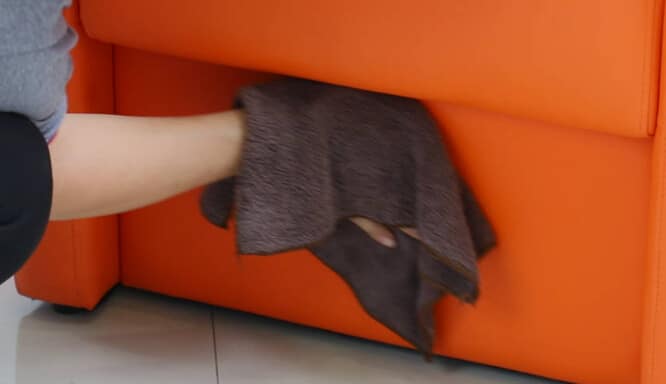
- Wipe the surface with a slightly damp, cool cotton cloth. For perspiration and hair oils, clean the affected areas in gentle circular motions with a pH-neutral leather cleaner.
- Every 3–6 months, spread a high-quality leather conditioner or cream evenly to maintain suppleness and prevent cracking.
2. Incorrect Cleaning and Care Methods
- Applying household cleaners or laundry detergent can strip natural oils and damage the finish, causing leather to dry out and shrink.
- Drying leather with hot air or exposing it to prolonged sunlight can make genuine leather contract, harden, and lose flexibility.
- Coating the surface with low-quality waxes can clog the leather and lead to severe discoloration.
3. Problems Cleaning and Care Cannot Resolve
- Dryness and minor scuffs can be treated with professional deep conditioning or light surface restoration.
- Body-oil buildup or peeling color coatings can be addressed through professional color restoration or fitting a new leather panel.
- Deep cracks, cuts, or broken seams need backing repair, restitching, or localized leather renewal.
- If prolonged overloading causes structural fatigue, the cinema theater seating should be fully reupholstered with high-quality genuine leather and new internal materials, or replaced entirely.
Engineered for Easy Upkeep: Cinema Seating by Leadcom
As a professional seating manufacturer, Leadcom offers a range of cinema models with different upholstery and structural designs, enabling operators to match seating with the comfort, space, and operational needs of each auditorium.
1. Chelsea LS-815 Zero Gravity
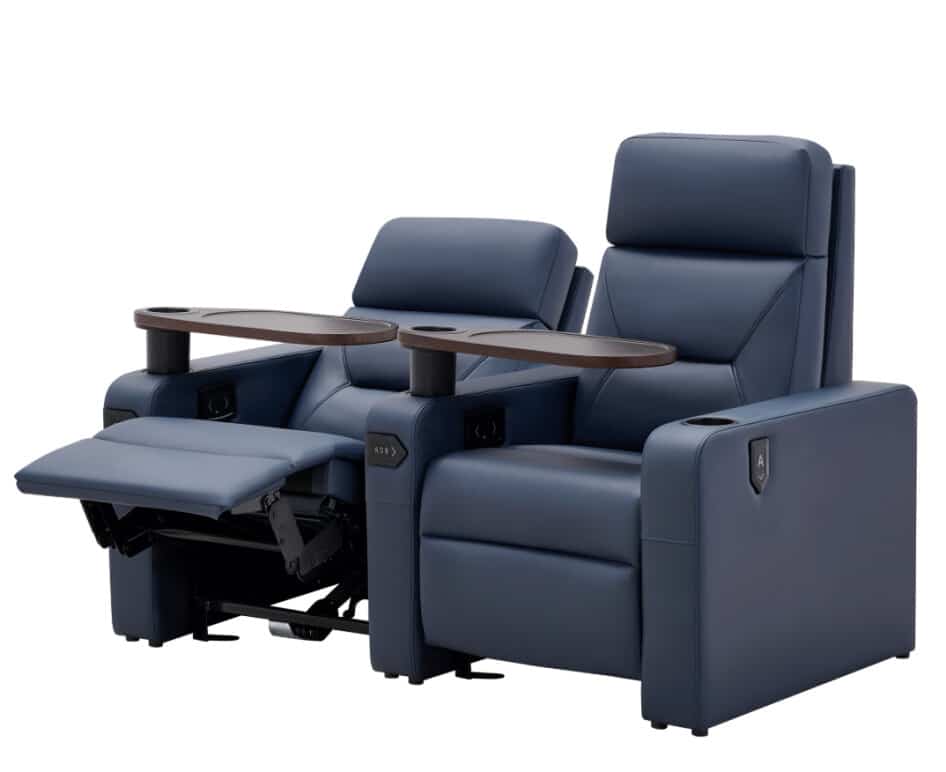
Chelsea LS-815 Zero Gravity is a fabric recliner designed for luxury VIP cinemas. Its zero-gravity reclining mechanism creates a more relaxed viewing position, while the electrically adjustable headrest lets patrons fine-tune head and neck support during longer screenings.
Optional features include a swivel food table, replaceable arm padding, and a flip-up seat cushion, making Chelsea suitable for high-end cinemas that combine movie viewing with dining and lounge-style experiences.
2. Felix L-C01
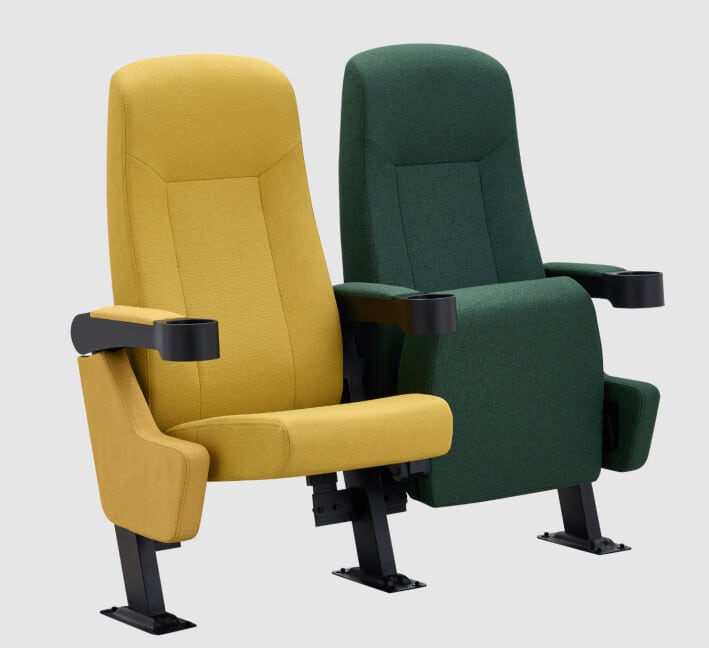
Felix L-C01 is a swing-back cinema seat suited to standard commercial auditoriums. Its smooth sliding mechanism lets the seat and backrest extend with the viewer’s posture, creating greater freedom of movement without the footprint of a full recliner.
The model combines a fully upholstered ergonomic seat cushion with a cold-molded high-resilience foam backrest. Its outer back is available in either full upholstery or injection-molded PP, while the flip-up armrest integrates a cup holder.
3. Valerio LS-829B
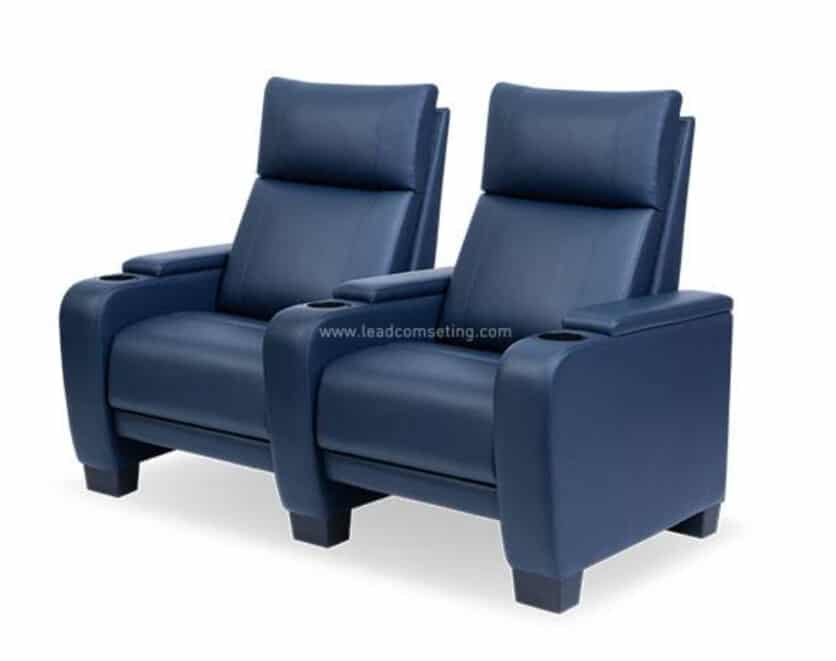
Valerio LS-829B is a leather-upholstered Premium Glider developed for cinemas where comfort and space efficiency are equally important. Its gliding mechanism moves the seat forward as the viewer leans back, creating a comfortable reclining position within a relatively compact layout.
High-resilience foam forms a supportive, cocoon-style cushion, while the soft, durable leather gives the seat a refined finish. A flip-up seat cushion, replaceable padding, and a PP support beneath the seat further simplify routine maintenance.
Conclusion
Proper care across fabric, PU/PVC, and leather upholstery extends seat life and enhances the audience experience. However, lowering long-term maintenance costs starts with selecting durable seating designed for easier upkeep.
Contact Leadcom today for a cinema seating solution tailored to your space and operational needs.