


The wellness industry has a credibility problem, and it mostly created it itself.
For decades, the supplement market operated in a regulatory environment that allowed broad claims, minimal proof requirements, and ingredient lists designed more to impress than to inform. Brands competed on marketing budgets and shelf presence rather than on the quality of what was actually inside their products. Consumers largely had to take companies at their word, and enough of them got burned often enough that taking brands at their word became something fewer people were willing to do.
The hangover from that era is still very much present. Consumer skepticism toward wellness products is at a level that should concern every brand operating in this space, not because the skepticism is unfair but because it’s entirely earned. The industry built it through years of prioritizing claims over substance, and rebuilding it requires something more than better packaging and more compelling copy.
MAKE Wellness launched into this environment with a clear point of view about what it would take to earn trust rather than simply assert it, and the way the company has built its infrastructure reflects that understanding in ways that go beyond brand messaging.
How the Trust Deficit Actually Developed
Understanding where consumer skepticism in wellness comes from helps explain why surface-level transparency efforts rarely move the needle.
The problem wasn’t that supplement brands were universally dishonest. Many operated in good faith within the rules available to them. The problem was that the rules allowed claims that outpaced the science, ingredient quantities that looked impressive on labels but fell below therapeutic relevance in practice, and marketing language vague enough to imply benefits without technically promising them.
Consumers who bought products based on those claims and experienced nothing eventually stopped believing the claims. That experience, repeated across millions of people over many years, produced a marketplace where skepticism is now the rational default. A consumer who approaches a new wellness product with suspicion isn’t being unreasonable. They’re being sensible based on what the industry has historically delivered.
This is the environment every wellness brand is operating in today, including the ones genuinely trying to do things differently. Trust has to be rebuilt from a deficit, and that requires more than good intentions.
What Transparency Actually Requires
The word transparency gets used freely in wellness marketing, often by brands whose actual transparency goes little further than listing ingredients on a label. Real transparency, the kind that meaningfully changes how consumers evaluate and trust a brand, requires something more structural.
It requires being specific about what ingredients are in a formula and why each one is there. It requires honesty about what a product can realistically do rather than implying benefits that aren’t supported. It requires making the science accessible enough that consumers can evaluate it themselves rather than simply asking them to trust the brand’s judgment. And increasingly it requires third party validation that confirms what the brand is saying about its products is actually true.
MAKE Wellness has approached transparency as an operational commitment rather than a marketing position. The company’s decision to pursue Informed Sports certification for its products reflects this directly. Informed Sports is an independent third party testing program that verifies products for quality, label accuracy, and the absence of substances that don’t belong. It’s a process that costs time and resources and requires ongoing compliance rather than a one-time audit.
For a wellness brand, pursuing that kind of external validation signals something specific: enough confidence in what’s actually in the products to invite independent scrutiny rather than avoid it. That signal matters to consumers who have learned to distinguish between brands that talk about quality and brands that build systems around proving it.
The Role of Education in Building Credibility
One of the more interesting shifts in how consumer trust gets built in wellness is the growing importance of education as a credibility signal.
A brand willing to explain the actual science behind its formulas, in accessible language, without hiding behind proprietary blend designations or vague benefit language, is implicitly making a claim about its own confidence in that science. If the ingredients don’t hold up to scrutiny, transparency about them becomes a liability. Brands that lean into education rather than away from it are signaling that their formulas can survive the questions consumers are increasingly willing to ask.
MAKE Wellness has built its educational infrastructure, through the MAKE Wellness Hub, its podcast presence, YouTube content, and the knowledge embedded in its affiliate network, around exactly this principle. The company doesn’t just tell consumers that its products are science-backed. It explains what the science actually says, what the ingredients are designed to do, and why each formula was built the way it was.
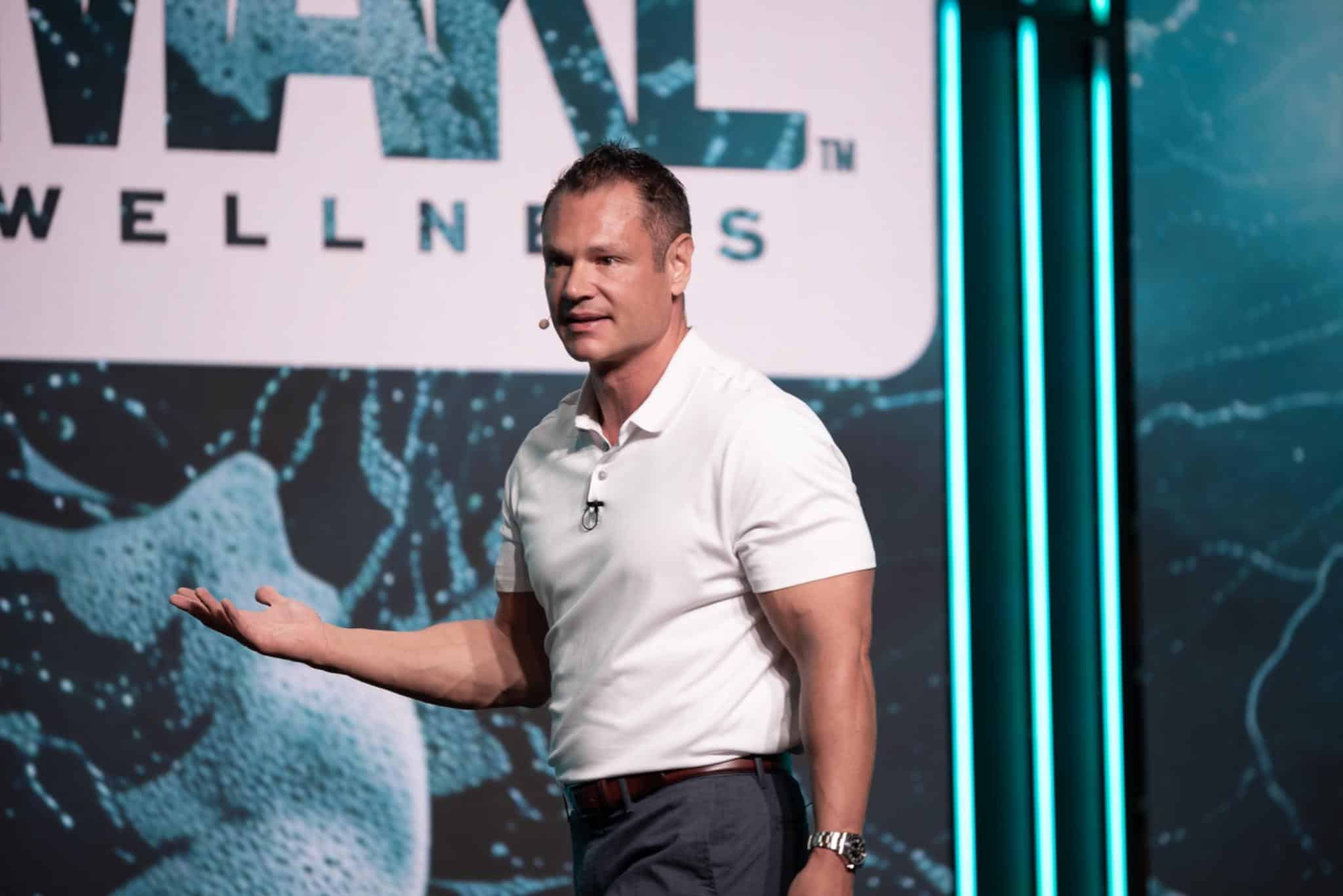
Founder Justin Prince has consistently modeled this approach in his public communication, treating consumer education as a core responsibility rather than a marketing tactic. The message running through that communication is consistent: people make better decisions when they understand what they’re choosing, and a brand confident enough in its products to support that understanding is worth paying attention to.
Why Most Brands Don’t Do This
If education and genuine transparency are effective trust-building tools, the obvious question is why more brands don’t invest in them seriously.
The answer is that real transparency is genuinely risky for brands whose products don’t fully support it. Inviting consumers to understand exactly what’s in a formula and why it works the way it does only serves the brand if the formula actually does what it claims. For brands built around impressive-sounding ingredient lists and vague benefit language, that level of scrutiny is a threat rather than an opportunity.
This creates a meaningful signal for consumers trying to evaluate which brands are worth trusting. A brand that actively educates its community about the science behind its products, that pursues independent third party testing, and that builds its affiliate network around genuine product knowledge rather than enthusiasm, is implicitly communicating something about the quality of what it sells. That communication is more credible than any marketing claim precisely because it comes with accountability attached.
Trust as Infrastructure
The distinction MAKE Wellness represents in the wellness market is ultimately about how trust gets treated within the company’s operating model.
For most brands, trust is a marketing problem. It gets addressed through campaigns, through influencer partnerships, through before-and-after testimonials, and through brand messaging designed to make consumers feel confident. These tools can create short-term credibility, but they don’t build the kind of durable trust that survives a disappointed customer or a critical look at what’s actually in the product.
MAKE Wellness has treated trust as infrastructure. Third party testing, educational content, an affiliate model built around genuine product knowledge, a product philosophy transparent enough to explain and defend, these are systems rather than messages. They exist independent of any particular campaign and they compound over time in ways that marketing spend alone cannot replicate.
This approach is more demanding to build and slower to produce visible results than a well-funded marketing push. It’s also significantly more durable, because it’s grounded in something real rather than something projected.
Where Consumer Expectations Are Heading
The consumer who researches ingredients before purchasing, who looks for third party certifications, who reads about a brand’s product philosophy before deciding whether to trust it, is not a niche consumer anymore. That level of scrutiny is becoming more common across age groups and wellness categories, driven by better access to information and a reasonable wariness built up over years of disappointing wellness experiences.
Brands that built their model around consumers who don’t ask hard questions are going to find that model increasingly difficult to sustain. Brands that built their model around consumers who do are going to find themselves in a better position with every passing year.
MAKE Wellness was built for the second kind of consumer. In a wellness industry still working through the consequences of its own credibility deficit, that orientation is looking less like a philosophical choice and more like the only viable long-term strategy.