

Marc André Pépin is an investment specialist with experience of a diverse array of global investment strategies. As founder and CEO of the private investment firm Cap-Invest (formerly Invescap), Dr. Marc Pépin has established a strong reputation for crafting innovative financial solutions for a global clientele. This article will look at urban development and global opportunities in smart city and sustainable infrastructure development.
The shift toward urbanization is rapidly gaining traction, with experts predicting that 68% of the global population will inhabit cities by 2050 according to Undercover IE. To facilitate this change, governments all over the world are investing in the creation of safer, cleaner, better-functioning spaces through smart city infrastructure.
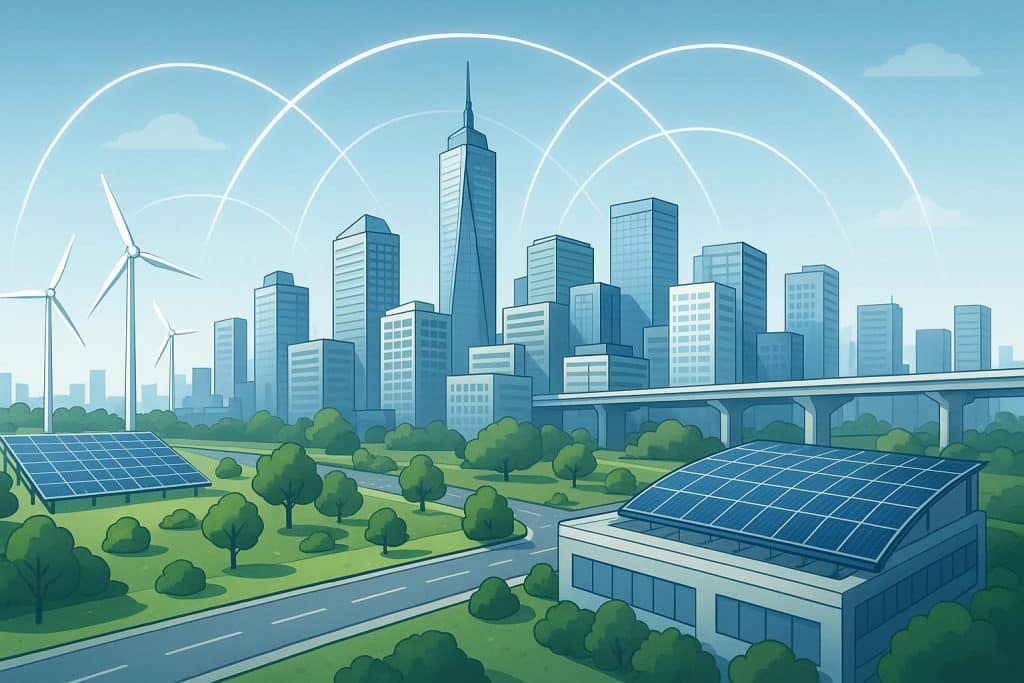
There are various aspects of smart city infrastructure, which essentially comprises buildings, layouts, and vehicles that are conducive to superior function. Designed well, smart city infrastructure optimizes urban planning, transport networks, telecommunications, and modern healthcare facilities. Alongside the physical, it also includes non-tangibles such as digital networks and data, with smart cities relying on this technological integration to enhance both sustainability and the quality of life of local people. For example, smart city residents should benefit from easy access to healthcare and the efficient delivery of interventions. In addition, reducing traffic congestion would simultaneously boost air quality, with these improvements made possible by the development of improved physical layouts as well as the adoption of responsive technology.
Well-designed infrastructure is not only more efficient; it is easier to maintain. Smart cities depend on innovative technology, such as the Internet of Things (IoT), information and communications technology (ICT), automation, and artificial intelligence (AI). In terms of developing sustainable smart cities, orchestrating infrastructure is vital, creating an ecosystem where sustainability and technology work in perfect unity—paving the way for optimal resource allocation and reduced environmental impacts.
Key technologies used in smart cities today include:
- Environmental monitoring systems relying on sensors and data analytics to track water and air quality, noise levels and other environmental factors
- Smart grids optimizing energy distribution and consumption, thereby promoting renewable energy sources and reducing waste
- Smart transport systems including automated vehicles, electric vehicle charging infrastructure, and intelligent traffic management systems
- Geographic information systems (GIS) to help urban planners integrate green spaces to alleviate urban heat island effects
With buildings alone accounting for an estimated 40% of total global energy consumption and a quarter of greenhouse gas emissions, smart buildings represent a major leap forward in the road to sustainable living. Equipped with energy management systems, sensors, and predictive analytics, smart buildings optimize how cooling, heating and lighting are used, driving down waste while achieving dramatic energy savings. OECD research reveals that smart lamps can lower electricity consumption by as much as 80% by adjusting lighting in real time. In addition, smart energy grids facilitate real-time demand responses, avoiding grid strain by helping to optimize supply and demand.
In addition to buildings, sustainable transport is an integral part of smart city infrastructure, with intelligent traffic management systems increasingly being utilized to lower idling times, reduce congestion, and cut carbon emissions. A report by Juniper Research suggests that deploying smart traffic management systems worldwide could help to save up to 923 million metric tons of CO₂ emissions by 2030 by optimizing transport flows and making traffic systems more effective, all contributing to lower-carbon urban living.
Smart cities leverage IoT, AI, smart grids, and data analytics to optimize resource use, reduce environmental impacts, and improve urban living. Sustainable infrastructure encompasses systems created to cut greenhouse gas emissions, minimize energy consumption, and enhance resilience for future risks. When applied to critical infrastructures such as buildings, transport, energy, waste, water, and lighting, smart city technologies become powerful enablers of sustainability.