

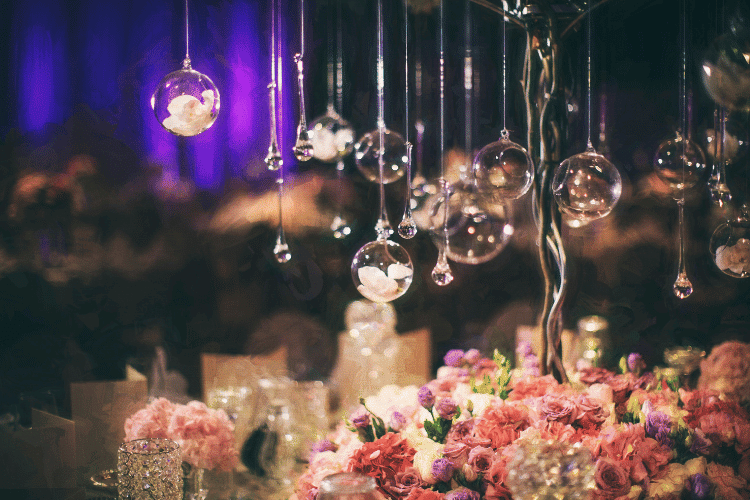
Wedding themes continue to shift in 2026, with couples favoring alluring environments, adaptable décor, and details that feel collected rather than overly coordinated. While trends often emerge on bridal runways and social media platforms, suppliers serving florists and event designers can also offer insights into shifting preferences.
Few companies occupy that position as directly as Jamali Garden. Founded in 1997 in New York City’s flower district and operating online since 2002, the family-owned importer supplies more than 3,000 products to florists, wedding planners, hospitality groups, and production companies. Approximately half of the company’s revenue comes from repeat customers, reflecting continued demand from professionals sourcing décor for events throughout the year.
Its inventory offers a useful snapshot of the styles couples are selecting in 2026, particularly in categories such as candle holders, bud vases, artificial botanicals, and metallic vessels. Together, these products point to several themes that shape modern celebrations.
Candle-Lit Tablescapes Are Replacing Floral-Only Centerpieces
Reception tables in 2026 are increasingly designed around ambient lighting rather than relying exclusively on flowers. Designers are using candles to establish atmosphere, soften contemporary venues, and create depth in photographs.
Couples embracing layered lighting often browse collections from Jamali Garden when sourcing candle holders designed to complement floral arrangements and add warmth to reception tables.
Frequently purchased lighting pieces include:
- Mercury glass votives
- Tea light holders
- Ribbed hurricanes
- Glass cylinder vases
- Gold candelabras
Jamali’s gold candelabra, measuring 16¾ inches, has become one of the company’s strongest sellers, reportedly selling out on multiple occasions. Lanterns also remain popular, particularly for autumn weddings and outdoor celebrations where planners want to extend lighting beyond dining tables.
This movement toward layered lighting reflects broader industry thinking. Floral designer Preston Bailey has observed that, “Floral design is not arranging flowers; it’s telling a story with nature.” In many 2026 receptions, candles have become part of that storytelling process, helping transform tables into immersive settings rather than simple dining spaces.
Bud Vases and Scattered Florals Continue to Gain Popularity
Large floral centerpieces have not disappeared, but they are no longer the default choice for many weddings. Instead, planners are arranging long banquet tables with clusters of smaller vessels, each containing a single bloom or a few stems.
Jamali Garden’s catalog reflects this preference through its extensive selection of:
- Clear glass bud vases
- White ceramic bud vases
- Gold metal bud vases
- Mercury glass mini containers
- Narrow-neck bottles
Several factors appear to be driving interest in this style.
First, smaller arrangements improve sightlines, allowing guests seated across from one another to converse comfortably. Second, they help reduce the number of flowers required, an important consideration as couples look more carefully at floral budgets. Finally, individual vessels can easily move from ceremony spaces to cocktail hours and receptions.
Lifestyle expert Martha Stewart has described floral designers as curators of nature’s treasures, arranging them with creativity and intention. Bud vase installations support that philosophy by emphasizing thoughtful placement over sheer scale.
For planners working with long farm tables or contemporary venues, these arrangements also create opportunities to mix textures and materials. Clear glass, matte ceramics, and metallic finishes can all appear within the same tablescape while maintaining a cohesive appearance.
Real-Touch Botanicals Are Moving Beyond Everyday Décor
Artificial flowers have long been associated with permanent installations, but they are increasingly finding a place in weddings. Advances in manufacturing techniques have made premium faux botanicals more convincing, encouraging planners to incorporate them into statement pieces that must remain fresh-looking throughout multi-day celebrations.
Jamali Garden is widely recognized for its collection of “Real Touch” and “Real Look” botanicals. Among the most sought-after options are:
- Cherry blossom branches
- Hydrangeas
- Peonies
- Magnolias
- Artificial orchids
- Boxwood panels
- Moss mats
These products are appearing in several types of installations:
- Ceremony arches
- Hanging floral clouds
- Staircase arrangements
- Greenery walls
- Lounge backdrops
Interior designer Sumari Krige advises decorators to use faux stems in large quantities while mixing them with fresh greenery to create authenticity. Designer Miriam Manzo similarly recommends selecting stems with internal wire supports, which allow them to be shaped to mimic natural growth patterns.
Artificial botanicals also provide logistical advantages. They can be installed well before an event begins, transported without refrigeration, and reused for post-wedding celebrations. For destination weddings, these characteristics can help simplify planning while preserving a consistent visual style.
Metallic Finishes and European Influences Are Shaping Reception Styling
Decor inspired by old-world interiors and European entertaining traditions continues to influence wedding design in 2026.
Jamali Garden’s assortment includes several products that align with this direction, including:
- Gold urns
- Brass compotes
- Silver vessels
- Crystal vases
- Mercury glass containers
- Julep cups
These pieces are often paired with restrained floral palettes and tactile materials.
Common combinations include:
- Ivory flowers with antique gold vessels
- Dusty blue blooms alongside mercury glass
- White hydrangeas in brass compotes
- Soft peach arrangements displayed in aged silver containers
Rather than appearing highly coordinated, many contemporary weddings aim for a collected aesthetic. Tables are assembled from pieces with varying heights, finishes, and silhouettes, producing settings that feel assembled over time rather than purchased as matching sets.
This preference aligns with Jamali Garden’s founder-led approach to product development. According to the company, approximately 80 percent of its merchandise consists of designs created specifically for the brand, allowing professionals to source décor that is less commonly found through mass-market retailers.
Conclusion
Wedding trends in 2026 suggest a growing interest in layered lighting, dispersed florals, realistic botanicals, and decorative objects with a sense of history. Jamali Garden’s catalog offers insight into how those preferences are translating into practical design choices for planners and florists working across weddings of different sizes and styles.
As couples continue seeking celebrations that feel personal and visually immersive, suppliers with extensive inventories and specialized collections may remain an important indicator of where wedding décor is headed next.