

Most people think major environmental change comes from governments, corporations, or large-scale technological breakthroughs. While those forces undoubtedly matter, there is another factor that often receives less attention: everyday purchasing decisions.
The products people buy each week collectively influence manufacturing trends, packaging choices, sourcing standards, and market priorities. A single purchase may seem insignificant on its own, but millions of similar choices can gradually reshape entire industries.
This idea is especially relevant in the growing movement toward conscious consumerism, where shoppers seek products that align not only with their practical needs but also with their values.
One example of this shift can be seen in the increasing popularity of a zero waste store, where consumers actively search for alternatives designed to reduce unnecessary waste and encourage more responsible consumption habits.
The Evolution of Consumer Expectations
A generation ago, most purchasing decisions were driven primarily by price, convenience, and brand recognition. While those factors still play important roles today, many shoppers now ask additional questions before making a purchase.
Questions such as:
- Where was this product made?
- What materials were used?
- How long will it last?
- Can the packaging be reused or recycled?
- Does the company prioritize responsible sourcing?
These considerations reflect a broader change in consumer expectations. People increasingly view purchases as reflections of personal values rather than simple transactions.
As a result, businesses across multiple industries have begun adapting to meet these evolving demands.
The Rise of Intentional Consumption
Intentional consumption is not about buying more expensive products or following rigid lifestyle rules. Instead, it focuses on making thoughtful decisions based on long-term value rather than short-term convenience.
For many consumers, this means purchasing fewer items overall while prioritizing quality and durability.
The concept applies across categories:
- Clothing
- Household goods
- Food storage
- Personal care products
- Cleaning supplies
When viewed through this lens, sustainability becomes less about sacrifice and more about reducing unnecessary waste generated by constant replacement and overconsumption.
Understanding Product Lifecycles
Every product follows a lifecycle.
Raw materials must be extracted or cultivated. Manufacturing requires energy and resources. Products are transported, used, and eventually discarded.
The environmental impact of an item is not limited to what happens after it is thrown away. Its entire lifecycle contributes to its overall footprint.
Consumers who understand this process often begin evaluating products differently. Instead of focusing solely on the purchase price, they consider longevity, material quality, and disposal options.
This broader perspective helps encourage more responsible consumption patterns over time.
The Influence of Daily Habits
Large lifestyle changes can feel overwhelming. Daily habits, however, are much easier to modify.
Simple actions can create lasting effects:
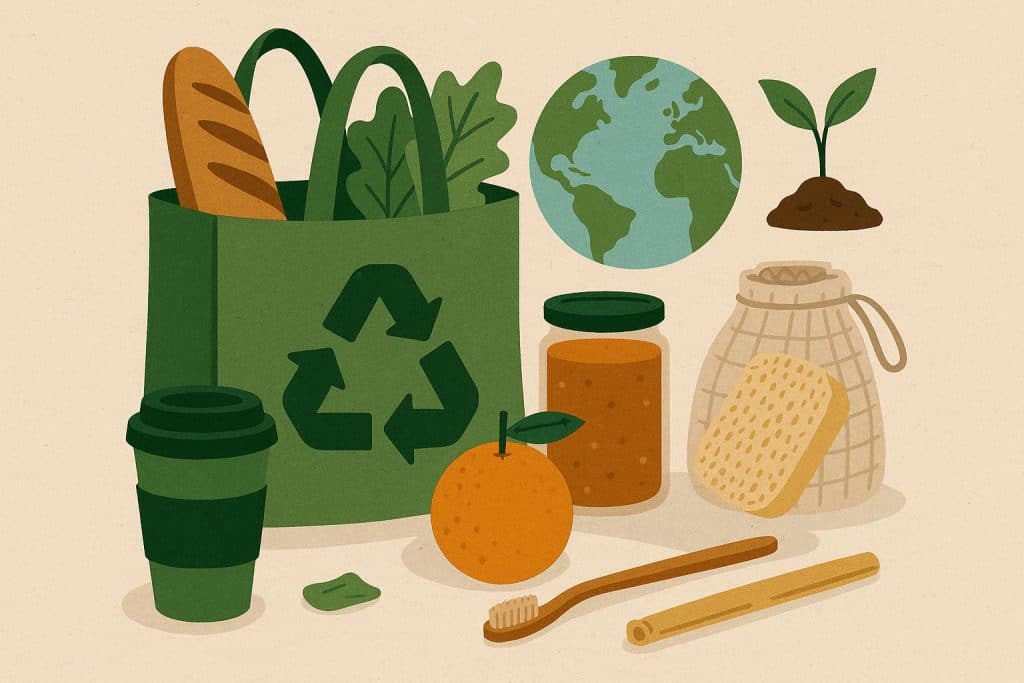
- Carrying reusable bags
- Choosing durable household items
- Reducing single-use purchases
- Supporting companies with transparent practices
These habits may seem minor, but they help establish a mindset of awareness.
Once consumers begin paying attention to one category, they often extend that awareness into others. The result is a gradual shift toward more thoughtful purchasing decisions across multiple aspects of life.
Why Lip Care Reflects Larger Trends
Even small products can illustrate broader changes in consumer behavior.
Lip balm, for example, is one of the most frequently repurchased personal care items. Because it is used regularly throughout the year, consumers are increasingly paying attention to ingredients, packaging, and sourcing.
The growing interest in vegan lip balm demonstrates how purchasing priorities are evolving beyond basic functionality.
Many shoppers now consider factors such as:
- Animal-derived ingredient alternatives
- Plant-based formulations
- Cruelty-free development practices
- Reduced packaging waste
While lip balm is a small product, the motivations behind these purchasing decisions reveal larger shifts in consumer values.
Market Demand Drives Innovation
Businesses respond to demand.
When consumers consistently choose products aligned with sustainability goals, manufacturers have strong incentives to invest in new materials, improved production methods, and alternative packaging solutions.
History offers many examples of this pattern.
Consumer demand has helped drive:
- Energy-efficient appliances
- Refillable household products
- Reusable food storage systems
- Plant-based food alternatives
The same principle applies across personal care categories. Market signals influence what products are developed, stocked, and promoted.
Every purchase contributes to those signals.
The Importance of Accessibility
One challenge facing sustainability initiatives is accessibility. Environmentally conscious products must be practical and attainable if they are to achieve widespread adoption.
This means balancing:
- Affordability
- Performance
- Availability
- Convenience
Consumers are far more likely to embrace alternatives when they fit naturally into existing routines.
As sustainable products become more mainstream, competition often increases, which can improve accessibility and reduce costs over time.
Avoiding the Perfection Trap
One common misconception about sustainable living is that it requires perfection.
In reality, meaningful progress often comes from consistency rather than extreme measures.
A person does not need to eliminate every source of waste or replace every household item immediately.
Small improvements accumulate.
Choosing one reusable product, reducing unnecessary purchases, or supporting responsible companies can all contribute to positive change.
This perspective makes sustainability more realistic and sustainable in the long term.
Looking Beyond Trends
Consumer trends come and go, but some shifts reflect deeper cultural changes.
Interest in durability, transparency, and responsible sourcing appears to be one of those shifts.
People are becoming more aware of how products are made and what happens after they are used. This awareness influences purchasing decisions across industries and demographics.
Businesses that recognize these priorities are increasingly building products and services around long-term value rather than short-term convenience.
As this movement continues, consumers will likely play an even greater role in shaping the future of product design and manufacturing.
The most significant changes may not come from dramatic lifestyle transformations. Instead, they may emerge from thousands of ordinary decisions made every day—one purchase, one habit, and one thoughtful choice at a time.