

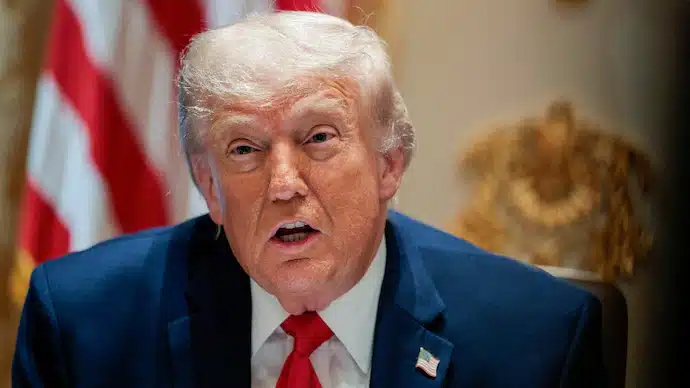
The global entertainment industry is bracing for a monumental shift as headlines announce a controversial new directive: Trump to Impose 100% Tariff on Movies Made Abroad, Distributed in the U.S. This aggressive move serves as a major pillar of broader Trump economic policies, aiming to force production companies to bring their operations back to American soil. But beyond the political rhetoric, how will these Trump movie tariffs actually reshape the cinematic landscape for both studios and everyday viewers? (Trump Movie Tariff)
The Financial Ripple Effect on Consumers
The immediate concern for everyday moviegoers is the financial trickle-down effect. The economic consequences of movie import taxes are vast and complex. Box office analysts are already predicting a noticeable impact on movie ticket prices, as studios will likely pass their new operational costs directly onto theatergoers.
Similarly, digital audiences should prepare for shifts in how film tariffs affect streaming subscription costs. If major platforms suddenly face steep proposed customs duties on foreign-made media, your monthly streaming bills are almost guaranteed to increase to offset the massive margin loss.
Hollywood’s Dilemma: Domestic vs. Foreign Filming
Studios are currently locked in a fierce debate regarding Hollywood domestic production vs international filming locations. Historically, a thorough cost analysis of filming in America vs overseas heavily favored foreign locations like Canada, the UK, or Eastern Europe due to cheaper labor and lucrative local subsidies.
However, this new tariff flips the equation. Proponents argue this policy will spark undeniable U.S. film industry job growth through production tariffs, encouraging studios to hire local union workers and rent local stages.
- Actionable Tip for Producers: To adapt, finance teams must carefully weigh the financial benefits of leveraging state-level domestic filming tax credits vs import tariffs before greenlighting any new projects.
International Trade and Global Retaliation
The overall Trump tariffs impact extends far beyond American borders. Legal teams are currently deep into understanding section 301 investigations on entertainment, which are often used to justify these types of levies based on international trade practices.
Unsurprisingly, foreign governments are not sitting idle. We are already witnessing discussions regarding global film market retaliation strategies, meaning American-made blockbusters could soon face reciprocal taxes abroad. This tense dynamic highlights exactly how trade policies change cinema industry revenue on a global scale, putting the future of international movie co-production agreements at severe risk.
What This Means for Independent Creators
While massive studio conglomerates might have the capital to absorb these financial shocks, the Trump administration trade policy effects on media companies will heavily burden smaller creators.
- Prepare for Red Tape: Navigating federal movie distribution regulations is about to become significantly more complex for imported projects, requiring specialized legal counsel.
- Niche Markets at Risk: The results for independent and foreign language films could be devastating. Because these projects operate on razor-thin margins and rely almost entirely on overseas production, they may find themselves priced out of the U.S. market entirely.
Final Takeaway
The decision to heavily tax foreign-made films fundamentally alters the global entertainment business model. Whether it successfully revitalizes American film jobs or simply inflates consumer costs, this bold policy ensures that the business of making movies will undergo a massive transformation in the coming years.