

Disasters strike without warning. One moment, your family is enjoying a quiet evening at home. The next, a severe storm knocks out the power, or a sudden evacuation order forces you to leave immediately. Anticipating these scenarios can feel overwhelming for anyone.
However, preparation gives you control over the unpredictable. When you have a solid plan in place, panic is replaced by swift, deliberate action.
Families who discuss and practice emergency procedures are much safer during chaotic events. Getting started does not require extreme measures or massive expenses. You only need a practical approach to organizing supplies and communicating effectively.
Build a Comprehensive Emergency Kit
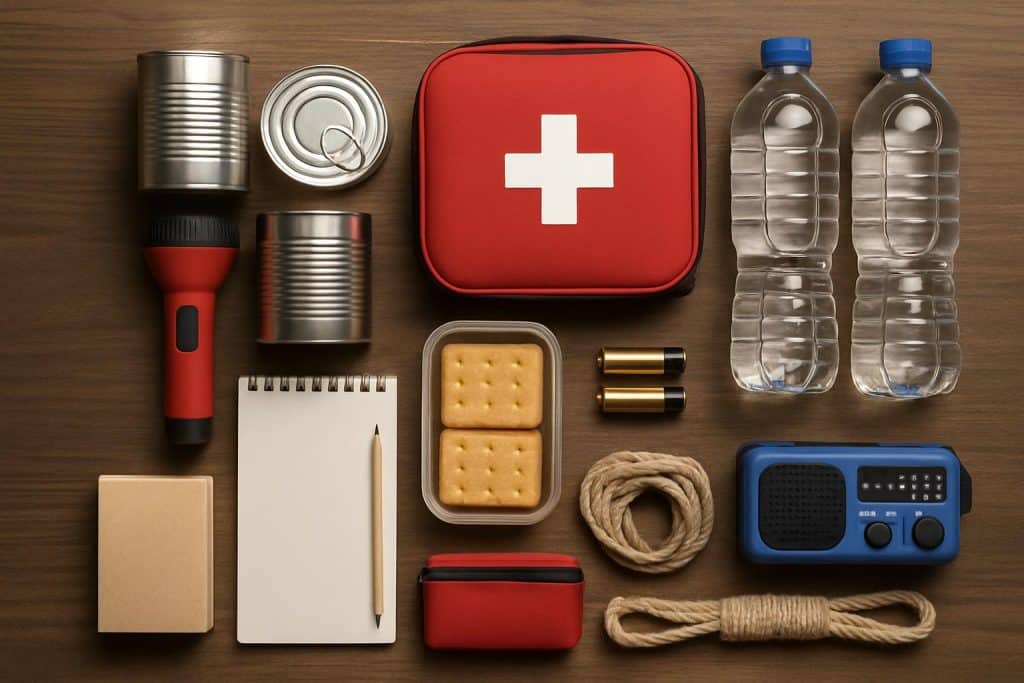
Every household needs a well-stocked emergency kit. Keep this collection of supplies in an easily accessible location, like a hall closet or the garage. At a minimum, include one gallon of water per person per day for at least three days. Add non-perishable food, a manual can opener, and a battery-powered radio.
Don’t forget personal items and sanitation supplies. Pack extra medications, spare glasses, and comfort items for young children. Include moist towelettes, garbage bags, and plastic ties for personal sanitation. Update your kit every six months to replace expired food and check battery levels. A reliable flashlight and a first-aid kit are absolute necessities for this collection.
Create a Clear Family Communication Plan
Cell phone networks often fail during major disasters. You cannot rely on a quick text message to locate your loved ones. Establish a reliable communication strategy before trouble occurs.
Write down important phone numbers on a physical card for every family member. Keep these cards in wallets, purses, and school backpacks. Choose an out-of-town contact person to act as a central hub. Local lines are frequently jammed during emergencies, but long-distance calls might still go through. Everyone should call this designated contact to report their location and status. This simple step prevents agonizing hours of uncertainty when local communications break down.
Establish Safe Meeting Locations
Families are rarely together when an emergency happens. Parents might be at work, and children could be at school or a friend’s house. Picking a safe meeting spot eliminates the confusion of trying to find each other.
Select two specific locations for different scenarios. The first should be immediately outside your home, like a neighbor’s driveway, for sudden events like a house fire. The second location should be a familiar spot outside your immediate neighborhood, such as a library or community center. Ensure everyone knows exactly how to get to these places safely. Review the routes regularly so even the youngest family members understand where to go.
Learn Basic First Aid and CPR
Medical help is not always immediately available during a widespread crisis. First responders are stretched thin, and road closures can delay ambulances. Knowing basic first aid is a vital skill for any parent.
Sign up for a local CPR and first aid certification class. Teach older children how to clean bandages and apply pressure to wounds. Keep a fully stocked medical kit in your home and a smaller version in every vehicle. Include items like sterile gauze pads, adhesive bandages, tweezers, and antiseptic wipes. These skills empower your family to handle minor injuries independently and stabilize severe issues until professional help arrives.
Prepare for Specific Local Hazards
Different regions face entirely different threats. Coastal families must prepare for hurricanes, while those near fault lines should secure heavy furniture for earthquakes. Research the most common natural disasters in your specific area.
Sometimes, emergencies happen during daily activities when you are forced to use alternative transportation. If roads are blocked, people often resort to walking or cycling to navigate debris. Bicycles can be hazardous during chaotic evacuations with distracted drivers. If a severe collision occurs under these stressful conditions, consulting a Utah bicycle accident lawyer can help clarify your legal options. Focus your primary energy on understanding the unique risks of your environment and modifying your plans accordingly.
Practice Your Emergency Drills Regularly
A plan is only useful if everyone remembers how to execute it. Children, in particular, need repetition to feel confident during stressful situations. Turn emergency preparedness into a routine family activity.
Conduct a fire drill at least twice a year. Practice evacuating your home in under two minutes. Run a scenario where the power goes out, and have your kids locate their flashlights in the dark. Walking through these steps reduces anxiety and builds muscle memory. Review your plans annually to accommodate changes in your family structure, like a new baby or a change in schools. When a real emergency happens, your family will know exactly what to do.
Safeguarding Your Family’s Future
Emergencies are an inevitable part of life. You cannot control the weather, prevent power outages, or stop natural disasters from occurring. You can, however, control your response.
Taking small, consistent steps toward preparedness builds a resilient household. Gather your supplies, discuss your communication plan, and identify your meeting spots. Educate your children on safety protocols without causing unnecessary fear. By prioritizing these fundamental steps, you ensure your family remains safe, calm, and connected when the unexpected happens. Preparedness is a continuous process that adapts to your changing circumstances.