

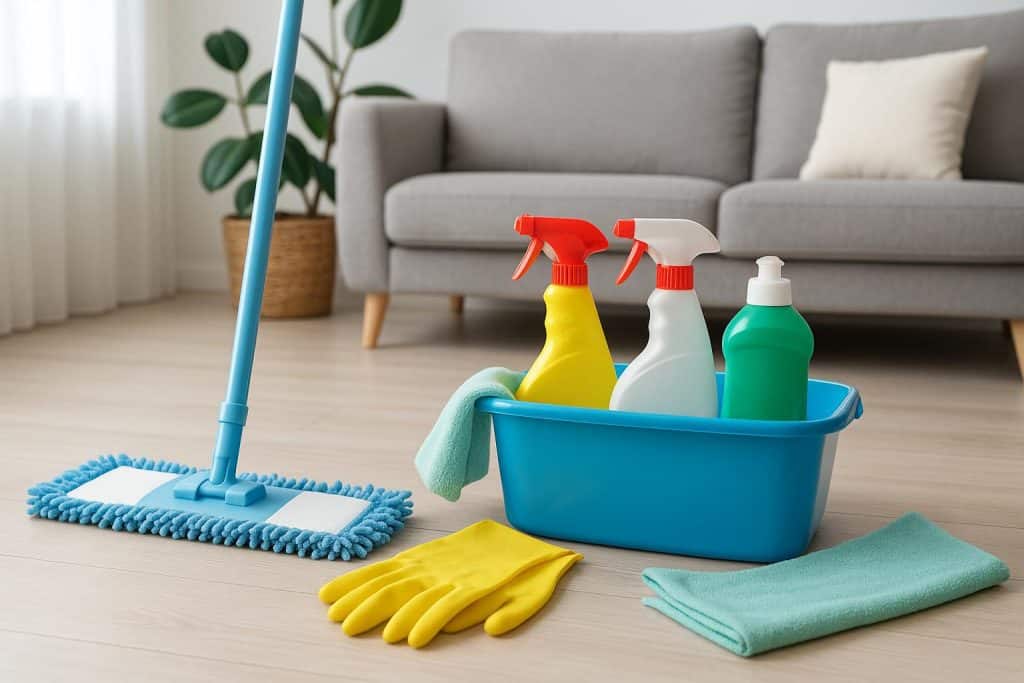
Why Cleanliness Matters More Than You Think
A clean home is far more than an aesthetic achievement — it’s a foundational pillar of physical health, mental clarity, and the long-term preservation of your living space. Regular cleaning actively combats allergens, bacteria, and dust buildup, measurably reducing the risk of respiratory illness and chronic stress. Among the most essential tools for keeping floors in good shape are vacuums and their increasingly popular counterparts, robot vacuums, which have genuinely transformed how households manage debris and fine particles as part of a broader, integrated hygiene strategy.
The Science Behind a Healthy Home
Accumulated dust, pet dander, and household microbes do far more than look unsightly — they actively undermine wellbeing. Fine particulate matter, particularly PM2.5 pollutants, penetrates deep into the respiratory system and works its way into HVAC systems and upholstery fibers, exacerbating asthma and gradually wearing down immunity. This is where filtration efficiency becomes important: high-quality filters capture particles through a combination of mechanical interception and electrostatic attraction, while optimized airflow draws contaminants away from surfaces rather than simply redistributing them into the air you breathe.
Common household allergens and their health impacts:
- Dust mites – trigger asthma attacks and eczema flare-ups
- Pet dander – causes allergic rhinitis and persistent eye irritation
- Mold spores – linked to respiratory infections and recurring headaches
- Cockroach particles – a significant asthma trigger, particularly in urban homes
- Indoor pollen – tracked inside on clothing and shoes, aggravating allergies year-round
Essential Cleaning Zones in the Home
High-Traffic Areas: Floors and Entryways
Entryways and heavily used floors are primary entry points for outdoor contaminants. In family homes, shoes routinely deposit soil, pesticides, and pollen onto rugs and hardwood surfaces. Weekly deep cleans — combining dry particle removal with damp mopping — go a long way toward preventing germ spread. Moisture control matters just as much: standing water near entryways creates ideal conditions for mold colonies to take hold within 24 to 48 hours.
Upholstery, Curtains, and Soft Furnishings
Soft furnishings often harbor allergens at concentrations higher than hard floors, which surprises many people. Vacuuming upholstery with the right attachments, paired with periodic steam cleaning, dislodges embedded particles without damaging fabric fibers. General hygiene guidelines recommend laundering removable covers at 60°C or above to eliminate dust mites effectively, while delicate fabrics benefit from professional dry-cleaning to preserve both their structural integrity and allergen control.
Kitchen and Bathroom Hygiene Hotspots
Kitchens and bathrooms host the densest bacterial colonies in most homes. Grease buildup on stovetops, grout discoloration, and slow-draining pipes are all signs of active microbial growth. Non-toxic agents — diluted white vinegar or baking soda pastes, for instance — clean food preparation surfaces effectively without introducing harmful chemical residues.
Daily hygiene checklist:
- Wipe kitchen counters and stovetop after each meal
- Rinse and dry the sink basin to prevent biofilm formation
- Flush bathroom drains with hot water to clear organic buildup
- Spot-clean high-touch surfaces — handles and light switches — with a damp cloth
- Remove and dispose of food waste promptly to deter pests
Tools and Techniques for Effective Cleaning
Choosing the right tool for each task determines both the quality and consistency of your results. Manual methods offer precision in tight crevices, while automated approaches provide reliable daily coverage with minimal effort. Ergonomic designs also reduce physical strain during longer cleaning sessions — a practical consideration that often gets overlooked.
In multi-pet households, adopting a structured routine with specialized bristle attachments and HEPA-filtered equipment has shown measurable improvements in indoor air quality. Suction power, expressed in air watts, directly correlates with a tool’s ability to lift embedded debris from dense carpet fibers.
| Cleaning Need | Recommended Technique | Benefits |
|---|---|---|
| Pet Hair Removal | Bristle brushes with strong suction | Prevents tangles, captures 99% of fibers |
| Hard Floor Dusting | Microfiber mops post-vacuuming | Traps particles without chemicals |
| Allergy Control | HEPA-filtered tools | Traps microscopic allergens |
Building Sustainable Cleaning Habits
A sustainable routine needs to account for household size, lifestyle, and seasonal variation. Larger homes benefit from zoned weekly schedules, while smaller spaces may need only targeted daily upkeep. Eco-friendly supplies — reusable microfiber cloths and concentrated biodegradable solutions, for example — reduce both chemical exposure and household waste. The EPA recommends maintaining adequate ventilation during and after cleaning sessions to prevent indoor buildup of cleaning agents.
Key Takeaway: Even within a demanding schedule, dedicating 10–15 minutes daily to priority zones — and setting aside one weekly session for deeper floor and surface work — produces compounding improvements in air quality and home hygiene over time.
Overcoming Common Cleaning Challenges
Time constraints, physical limitations, and large floor areas rank among the most frequently cited barriers to consistent cleaning. For allergy sufferers, pairing a regular cleaning routine with an air purifier creates a powerful synergistic effect, capturing particles that surface cleaning may temporarily disturb. In apartments, compact routines focused on kitchen and bathroom hotspots prove highly effective. Larger homes benefit from dividing tasks across the week to maintain thoroughness without burnout. Public health research consistently links higher cleaning frequency with reduced incidence of household-transmitted illness — reinforcing the value of even modest, regular effort.
Final Thoughts on Lasting Home Wellness
Consistent cleanliness transforms a home into a genuine sanctuary for health and comfort. By focusing on zoned cleaning, selecting tools suited to specific surfaces, and building incremental habits, meaningful improvements in air quality and daily well-being are entirely within reach. Consider introducing one new practice — a dedicated weekly floor routine, perhaps — and observe the tangible difference it makes over time. Small, deliberate changes in how you maintain your home can yield lasting benefits for everyone who lives in it.