

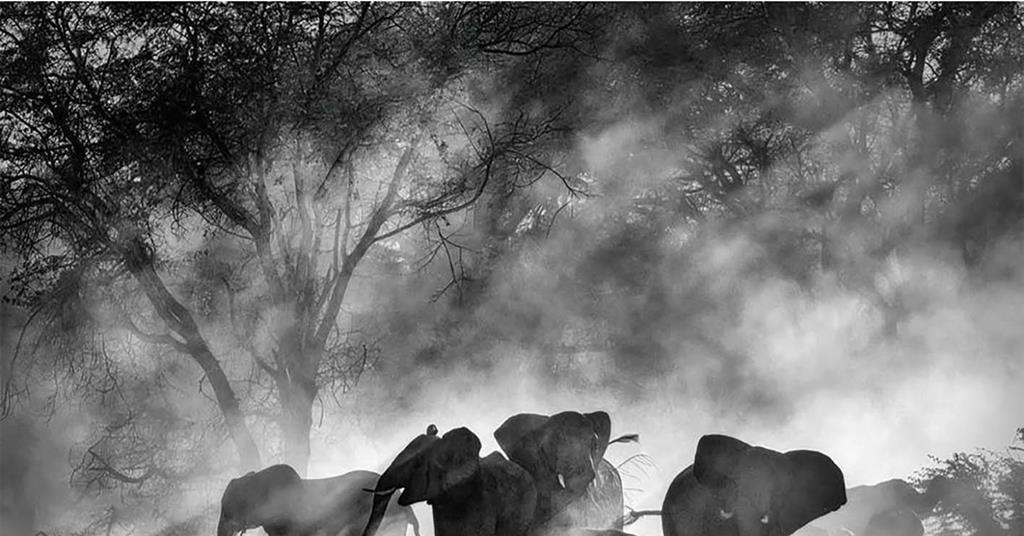
Imagine a forest where elephants are said to walk without a sound, appearing and disappearing like smoke. National Geographic is now streaming this myth in the Werner Herzog ghost elephants documentary (Ghost Elephants Werner Herzog).
Don’t expect a typical nature special. The director is Werner Herzog, a filmmaker far more interested in humanity’s myths and madness than in an animal’s daily habits. This unique film is a haunting, philosophical puzzle.
Ghost Elephants Werner Herzog: Why a Herzog Film Is Not What You Expect
When you picture a nature documentary, you probably think of David Attenborough explaining animal behavior. Werner Herzog is the exact opposite. He isn’t there to teach facts; he’s on a quest for a deeper, often darker, truth. It’s the difference between a biology textbook and a brooding poem.
This approach is why his films feel so different. A standard doc uses experts; Herzog finds a lone, obsessive figure and explores their soul. He is less interested in wildlife biology than in what nature reveals about human chaos, a theme he’s pursued from obsessed artists to brutal dictators.
For the ghost elephants, he wouldn’t show you a map of lost herds. Instead, the camera would linger on an empty clearing as his German accent questions memory itself. It’s an experience, not a lesson—and it’s rooted in a haunting real-world story.
The Chilling True Story Behind the “Ghost Elephants”
That haunting real-world story isn’t about elephants at all—it’s about a man. The “ghost elephants” concept comes from Herzog’s 1990 documentary, Echoes from a Somber Empire, a terrifying portrait of the Central African dictator Jean-Bédel Bokassa, whose reign was marked by torture and rumors of cannibalism.
The film centers on journalist Michael Goldsmith, who was imprisoned and beaten on Bokassa’s orders. Goldsmith serves as Herzog’s guide into the madness, recounting stories he heard while captive. It is during his testimony that the film delivers its most chilling sequence, the one that birthed the myth.
Goldsmith tells a story of how Bokassa would allegedly feed his enemies to the crocodiles and elephants in his private zoo. He describes the emperor whispering to his elephants, “You will be fed well,” before a prisoner was killed. It’s a tale of almost mythic evil.
This is a perfect example of what Herzog calls ecstatic truth. It doesn’t matter if the story is factually provable; what matters is that it reveals a deeper, more poetic truth about Bokassa’s monstrous nature. The story feels truer than any list of facts ever could.
Ghost Elephants Werner Herzog: Where You Can Actually Explore Herzog’s World
To see beyond a conventional documentary is to recognize the deliberate search for what Werner Herzog calls “ecstatic truth”—the potent, poetic feeling that reveals more than reality itself.
To begin your own exploration, start with Grizzly Man, his most accessible masterpiece. For where to watch Werner Herzog documentaries, look here:
- The Criterion Channel
- Mubi
- Rentals on Amazon Prime Video or Apple TV
Engaging with his films is less about entertainment and more about exploration—an invitation to trade comfortable answers for the unsettling, profound experience of a deeper reality.