

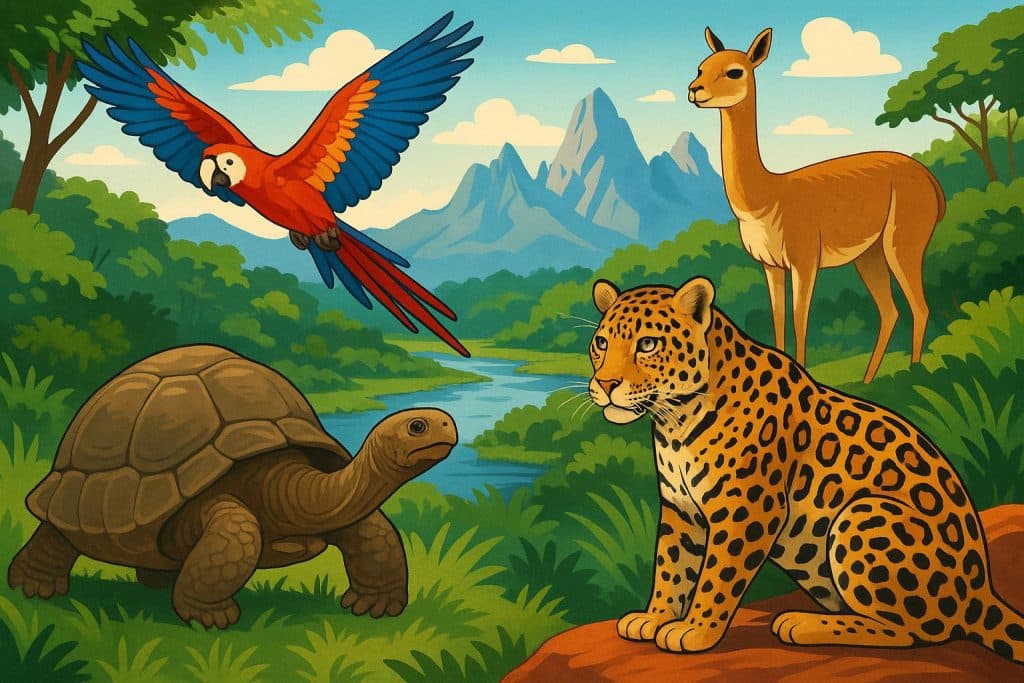
South America has always been a dream for wildlife lovers, but 2025 feels like a particularly meaningful time to go. Conservation efforts are becoming more visible, local guides are playing bigger roles in protecting ecosystems, and travelers are starting to think less about spotting animals quickly and more about understanding the environments they live in. That shift changes how you experience wildlife and where you choose to spend your time.
Instead of racing from one famous sighting to another, many wildlife focused travelers are now asking a different question. Where can I observe animals behaving naturally, while supporting places that are trying to preserve those habitats long term? That mindset opens the door to fewer destinations, but deeper experiences. It also explains why some people choose structured experiences, such as a guided Galapagos tour, as a way to balance access with protection.
From dense rainforests to open wetlands and isolated islands, South America offers wildlife encounters that feel immersive rather than staged. The key is choosing destinations that reward patience and curiosity.
The Amazon: Learning to Look Slowly
The Amazon is often described as overwhelming, and that is accurate. It is massive, loud, quiet, colorful, and camouflaged all at once. First time visitors sometimes expect constant animal sightings, but the real magic of the Amazon comes from learning how to notice small movements and subtle sounds.
In 2025, more lodges and reserves are emphasizing longer stays over quick visits. Spending several nights in one area allows guides to teach you how to read the forest. A broken branch, a change in bird calls, or fresh tracks along a riverbank start to make sense over time. Wildlife viewing becomes a shared puzzle instead of a checklist.
The Amazon is home to jaguars, river dolphins, macaws, monkeys, and thousands of species still being studied. But it also teaches humility. You are a visitor in an ecosystem that does not revolve around you, and that realization often becomes the highlight of the trip.
For travelers interested in the broader importance of the Amazon beyond tourism, the World Wildlife Fund’s overview of the Amazon rainforest offers valuable insight into why conservation here matters globally.
The Pantanal: Wildlife Without the Guesswork
If the Amazon rewards patience, the Pantanal rewards visibility. This vast wetland in Brazil is one of the best places in the world to see wildlife clearly and consistently. Open landscapes and seasonal flooding create ideal conditions for spotting animals during the day.
In 2025, the Pantanal continues to stand out for one major reason. You do not need to be an expert tracker to see wildlife here. Jaguars lounging along riverbanks, giant otters swimming in family groups, capybaras grazing, and caimans sunning themselves are all common sights.
What makes the Pantanal special is not just the number of animals, but how relaxed the encounters feel. Many sightings happen from boats or along quiet dirt roads, with animals behaving naturally. The focus is observation, not interruption.
Staying at a working ranch or eco lodge adds another layer to the experience. You learn how cattle ranching and conservation can coexist, and how local communities are invested in keeping the wetlands healthy.
The Galapagos Islands: Wildlife That Does Not Flinch
The Galapagos Islands feel almost unreal, especially for travelers used to animals that flee at the first sign of humans. Here, wildlife evolved without fear of people, and it shows. Sea lions nap on benches, marine iguanas pile together on rocks, and bird’s nest within arm’s reach.
This closeness is exactly why regulations are strict. Guided visits, limited group sizes, and clearly defined paths are designed to protect the animals, not inconvenience travelers. For wildlife lovers, this structure actually enhances the experience. It creates space for learning and respect.
In 2025, interest in responsible Galapagos travel continues to grow, with more emphasis on education and sustainability. Naturalist guides explain how small changes in behavior can affect entire species, helping visitors understand why rules matter.
The Galapagos are also a reminder that wildlife travel can be joyful and ethical at the same time. When managed carefully, access does not have to mean harm.
For context on why the islands are so unique, the UNESCO World Heritage profile of the Galapagos Islands provides a clear explanation of their global significance:
Patagonia: Wildlife at the Edge of the World
Southern Patagonia often attracts hikers and photographers, but wildlife lovers find plenty to admire here as well. Guanacos roam open plains, condors soar overhead, and coastal areas host penguin colonies and marine mammals.
What sets Patagonia apart is its sense of scale. Animals live in wide open spaces shaped by wind, cold, and distance. Sightings feel earned, often appearing after long stretches of silence. This creates a deeper appreciation for adaptation and resilience.
In 2025, conservation focused parks and private reserves are expanding access to lesser-known areas, reducing pressure on popular trails while protecting habitats. For travelers willing to embrace unpredictable weather and long distances, Patagonia offers wildlife encounters that feel raw and honest.
Why 2025 Is About Choosing Fewer Places, Not More
Wildlife travel in South America is evolving. Travelers are becoming more aware of their impact and more interested in quality over quantity. Visiting fewer destinations for longer periods allows ecosystems to be experienced, not consumed.
Whether you are navigating jungle rivers, drifting through wetlands, or walking carefully among island species that trust you completely, the most memorable moments often happen when you stop trying to control the experience.
South America rewards wildlife lovers who listen, observe, and adapt. In 2025, the best places to go are not just where animals live, but where thoughtful travel helps ensure they continue to thrive.