

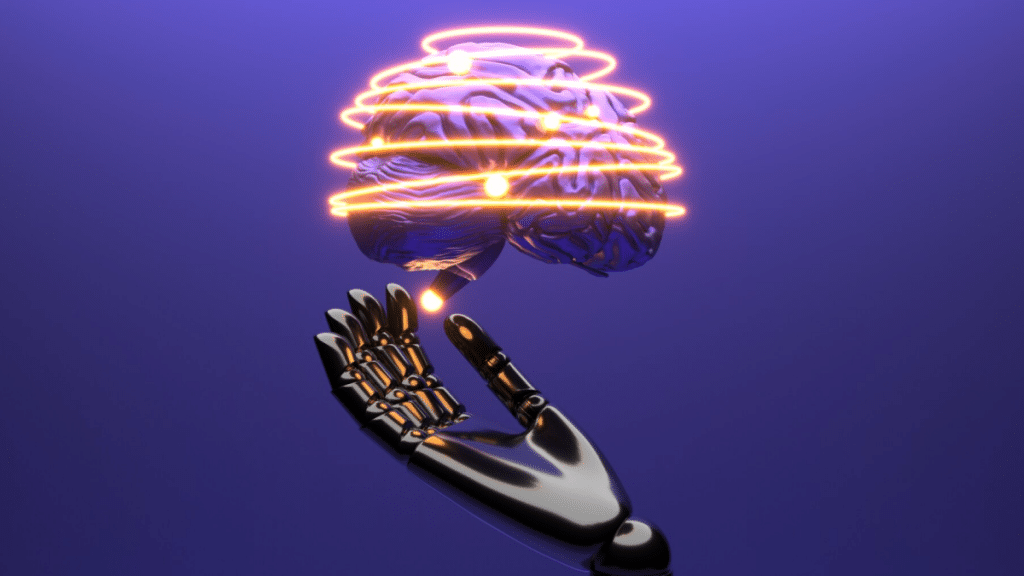
Advancements in artificial intelligence are paving the way for innovative human augmentation technologies that have the potential to profoundly enhance human capabilities. From prosthetics controlled by the power of thought to wearable robotics that increase strength and endurance, the integration of AI systems with the human body and mind is becoming increasingly sophisticated and impactful. However, this intersection also raises complex ethical questions about the future we want to build.
On the one hand, human augmentation powered by AI represents tremendous opportunities for improving quality of life across various domains. Advanced prostheses allow amputees to regain mobility and independence, while specialized exoskeletons empower workers to lift heavier loads with less risk of injury. At the same time, technologies that directly or involuntarily manipulate the brain pose risky threats regarding consent, privacy, and identity.
As we speed toward a future of cyborgs and transhumans, we must thoughtfully consider both the benefits and risks of enhancing our mortal forms with immortally evolving intelligence.
Physical Augmentation
AI algorithms enable advanced prosthetics to smoothly move and provide tactile feedback by interpreting electrical signals in muscles, nerves, and the brain. Exoskeletons with robotic limbs use AI and mechanical forces to increase wearers’ strength and endurance for medical rehabilitation or industrial applications. Augmented reality glasses with AI translation and navigation assistance may also redefine how users interact with the world around them.
Cognitive Augmentation
Beyond the physical, AI systems offer avenues for improving memory, decision-making, and problem-solving skills. AI memory prosthetics amalgamate relevant datasets on particular topics to supply users with on-demand access to otherwise unavailable information. Predictive algorithms reduce mental fatigue by nudging choices aligned with personalized preferences.
Early brain-computer interfaces (BCIs) based on implantable chips take this merger even further, potentially enabling thought-controlled wheelchairs, computers, and prosthetics. Wider access to adaptive education platforms also allows AI tutors to reinforce material for students based on individual knowledge gaps and learning tendencies. However, directly manipulating the brain poses risky threats regarding consent, privacy, access equity, and personal identity.
AI vs Human Writing Detector: A Case Study in Creativity and Collaboration
An intriguing case study lies in AI writing detector tools engineered to distinguish human writing from machine-generated text, while the reciprocal technology highlights the continued comparative strengths of both sides. Successful human writing often displays nuanced style, communicative context, cultural awareness, and adaptability that trip up AI models bound by their limitations. Insight derives from contrasting where each excels, illuminating complementary collaborative potential. Just as AI amplifies human physical and cognitive abilities, integration under human direction mutually reinforces creativity.
The Future of Human Augmentation
Realizing the transformative potential of human augmentation requires navigating complex challenges in development, distribution, and regulation. Equitable access to avoid further entrenching privilege gaps poses one dilemma. Protecting mental privacy from unintended BCI influences poses another. Dystopian outcomes evoke dispossessed masses left behind a computationally enhanced ruling class. The radical cognitive divergence between evolving AIs and mortal humans also seems inevitable the further we travel along this road. Perhaps before irreversibly warping human nature, we should intently listen to unenhanced voices and carefully re-examine the meaning of progress.