

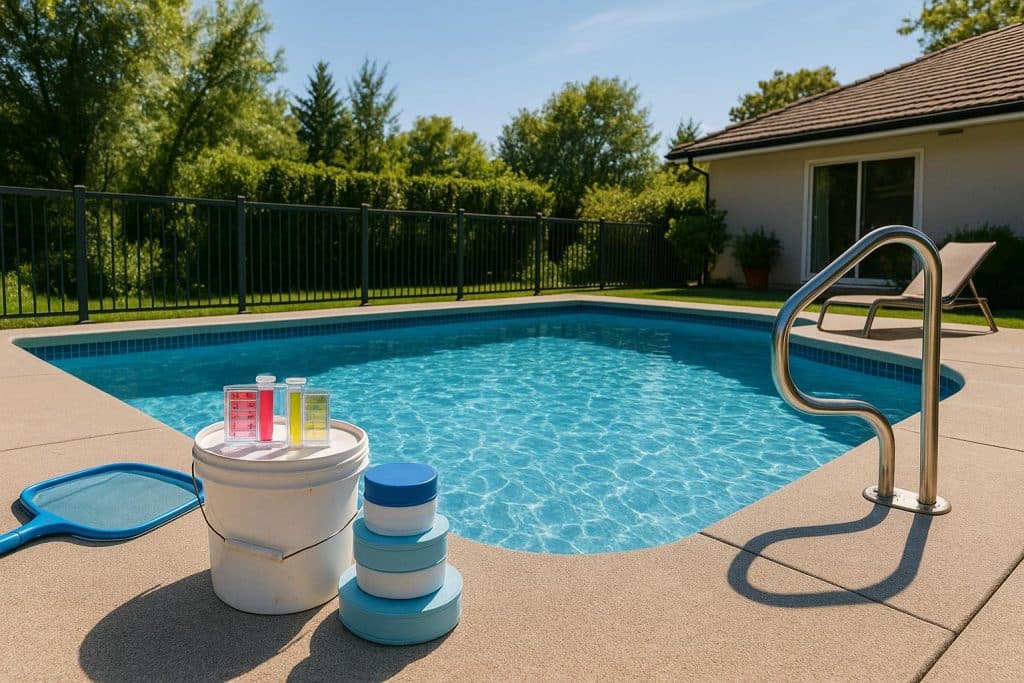
Owning or managing a commercial property with a pool comes with a unique set of responsibilities. It’s not just about keeping the water blue; it’s about ensuring the health and safety of everyone who uses it, maintaining compliance with local regulations, and protecting your investment. Neglecting pool care can lead to hefty fines, unhappy patrons, and costly repairs. That’s where smart commercial pool maintenance comes in.
Think of your pool as a finely tuned machine. Just like a car, it needs regular servicing to run smoothly. Without proper care, problems can quickly escalate, turning a minor issue into a major headache. Investing in professional pool care isn’t an expense; it’s a smart business decision that safeguards your property, enhances the user experience, and ultimately saves you money in the long run. Are you ready to dive into how professional management can benefit your business?
Why professional commercial pool maintenance is essential
Maintaining a commercial pool is far more complex than looking after a backyard pool. The higher usage demands a more rigorous approach to cleaning, chemical balancing, and equipment maintenance. Here are some key reasons why professional management is a must:
Ensuring health and safety
A properly maintained pool is a safe pool. Regular testing and balancing of chemicals like chlorine and pH are crucial for preventing the spread of waterborne illnesses. Professionals understand the precise levels required to kill bacteria and algae without causing irritation to swimmers. They also ensure that safety equipment, such as life rings and signage, is in good working order.
Furthermore, they are trained to identify and address potential hazards, such as slippery surfaces or faulty lighting. Regular checks can help prevent accidents and injuries, protecting both your patrons and your business from liability claims. It’s about providing a safe and enjoyable swimming environment for everyone.
Meeting compliance requirements
Commercial pools are subject to strict health and safety regulations. These regulations vary depending on your local council and may include requirements for water quality testing, record-keeping, and equipment maintenance. Navigating these regulations can be complex and time-consuming. Failure to comply can result in fines, pool closures, and damage to your business’s reputation.
A professional management company stays up-to-date with the latest regulations and ensures that your pool meets all necessary requirements. They handle the paperwork, conduct regular inspections, and provide you with peace of mind knowing that your pool is fully compliant. Consider it an investment in risk mitigation.
Extending the lifespan of your equipment
Pool equipment, such as pumps, filters, and heaters, represents a significant investment. Regular maintenance is essential for keeping this equipment in good working order and extending its lifespan. Professionals can identify and address minor issues before they escalate into major problems, preventing costly repairs and replacements.
They also perform routine tasks such as cleaning filters, lubricating moving parts, and checking for leaks. By keeping your equipment running efficiently, you can reduce energy consumption and lower your operating costs. It’s a proactive approach that protects your investment and minimises downtime.
Enhancing the user experience
A clean, well-maintained pool is more inviting and enjoyable for swimmers. Regular cleaning removes debris, algae, and other contaminants, ensuring that the water is sparkling clean and clear. Proper chemical balancing prevents skin and eye irritation, making the swimming experience more comfortable.
When patrons enjoy their time at your pool, they’re more likely to return and recommend it to others. This can lead to increased customer satisfaction, positive reviews, and a boost to your business’s reputation. A well-maintained pool is a valuable asset that enhances the overall experience for your guests or residents.
What to look for in a commercial pool maintenance provider
Choosing the right provider is crucial for ensuring the health, safety, and longevity of your pool. Here are some key factors to consider:
Experience and expertise
Look for a company with a proven track record in managing commercial pools. They should have a team of qualified technicians with extensive knowledge of pool chemistry, equipment maintenance, and local regulations. Ask about their experience with pools similar to yours and their approach to problem-solving. A company with years of experience is more likely to handle any challenge that arises effectively.
Comprehensive service offerings
The best providers offer a full range of services to meet all your pool’s needs. This may include regular cleaning, chemical balancing, equipment maintenance, repairs, and renovations. Ensure that they can handle all aspects of pool care, from routine tasks to emergency repairs. A one-stop shop can simplify your life and ensure that your pool receives consistent, high-quality care.
Reliability and responsiveness
Choose a company that is reliable and responsive to your needs. They should have a clear communication system in place and be available to answer your questions and address any concerns promptly. Ask about their response time for emergencies and their commitment to customer satisfaction. A responsive provider can quickly resolve issues and minimise any disruption to your pool’s operation.
Insurance and licensing
Ensure that the company is fully insured and licensed to operate in your area. This protects you from liability in case of accidents or damages. Ask for proof of insurance and licensing before hiring them. A reputable provider will be happy to provide this information and answer any questions you have about their credentials.
DIY vs. professional commercial pool maintenance
While some property owners may be tempted to handle pool care themselves, there are significant advantages to hiring a professional. Here’s a comparison of the two approaches:
Time commitment
Maintaining a commercial pool requires a significant time commitment. Regular cleaning, chemical testing, and equipment maintenance can take up several hours each week. If you’re already busy managing your property, you may not have the time to dedicate to pool care. Hiring a professional frees up your time to focus on other important tasks.
Expertise and knowledge
Pool care requires specialised knowledge and expertise. Professionals understand the intricacies of pool chemistry, equipment operation, and local regulations. They can identify and address potential problems before they escalate, preventing costly repairs and ensuring compliance. DIY pool care can be risky if you lack the necessary knowledge and experience.
Cost-effectiveness
While DIY pool care may seem cheaper upfront, it can actually be more expensive in the long run. Professionals can often negotiate better prices on chemicals and equipment due to their bulk purchasing power. They can also prevent costly repairs by identifying and addressing minor issues early on. In the long run, professional management can save you money and headaches.
Essential pool supplies for commercial properties
While a professional service will handle the bulk of the work, understanding what goes into keeping your pool sparkling is still valuable. Equipping yourself with the right pool supplies is essential for maintaining water quality and ensuring a safe swimming environment.
Chemicals and testing kits
Maintaining proper water chemistry is crucial for preventing algae growth, killing bacteria, and ensuring swimmer comfort. Essential chemicals include chlorine, pH adjusters, alkalinity increasers, and calcium hardness increasers. Regular testing is necessary to monitor chemical levels and make adjustments as needed. Invest in a reliable testing kit and learn how to use it properly.
Cleaning equipment
Keeping your pool clean requires a variety of cleaning equipment, including skimmers, brushes, vacuums, and leaf rakes. A skimmer is used to remove debris from the surface of the water, while a brush is used to scrub the walls and floor of the pool. A vacuum is used to remove sediment and debris from the bottom of the pool. Choose high-quality equipment that is durable and easy to use.
Safety equipment
Safety equipment is essential for preventing accidents and injuries. This includes life rings, safety ropes, first aid kits, and signage. Ensure that all safety equipment is in good working order and readily accessible. Train your staff on how to use the equipment properly and respond to emergencies.
The importance of regular pool cleaning services
Even with the best equipment and supplies, regular pool cleaning services are essential for maintaining a healthy and inviting swimming environment. Professional cleaners have the expertise and equipment to thoroughly clean your pool and remove all traces of dirt, algae, and debris.
Vacuuming and brushing
Regular vacuuming and brushing are essential for removing sediment and algae from the bottom and walls of your pool. Professionals use powerful vacuums and brushes to thoroughly clean these surfaces, leaving your pool sparkling clean. They also pay attention to hard-to-reach areas, such as corners and steps.
Filter cleaning
The filter is responsible for removing dirt and debris from the water. Regular cleaning is essential for keeping the filter working efficiently. Professionals clean or backwash the filter as needed to ensure that it is functioning properly. A clean filter helps to maintain water clarity and prevent algae growth.
Tile cleaning
Over time, tiles can become stained and discoloured due to mineral buildup and algae growth. Professionals use specialised cleaning products and techniques to remove these stains and restore the tiles to their original condition. Clean tiles enhance the appearance of your pool and prevent the growth of harmful bacteria.
Smart commercial pool maintenance: a long-term investment
Investing in smart commercial pool maintenance is a long-term investment in the health, safety, and enjoyment of your pool. By hiring a professional provider, you can ensure that your pool is always clean, safe, and compliant with local regulations. This not only protects your investment but also enhances the experience for your guests or residents. It’s a decision that pays off in the long run.
Frequently asked questions
How often should a commercial pool be cleaned?
The frequency of cleaning depends on factors such as usage, weather conditions, and the size of the pool. Generally, commercial pools should be cleaned at least once a week, but more frequent cleaning may be necessary during peak seasons or after heavy use.
What chemicals are used in commercial pool maintenance?
Common chemicals include chlorine (for disinfection), pH adjusters (to balance acidity), alkalinity increasers (to stabilise pH), and calcium hardness increasers (to prevent corrosion). The specific chemicals and their levels will vary depending on the pool’s needs and local regulations.
How do I know if my pool is compliant with local regulations?
Contact your local council or health department to obtain a copy of the regulations. A professional management company can also help you understand and comply with all applicable requirements.
What are the signs of a poorly maintained pool?
Signs include cloudy or green water, algae growth, strong chlorine odour, slippery surfaces, and malfunctioning equipment.
How much does commercial pool maintenance cost?
The cost varies depending on the size of the pool, the services required, and the provider you choose. It’s best to get quotes from several providers to compare prices and services.