


Beyond the Comfort Zone When Independence Becomes Fragile
Subtle alarms recognizing signs an elderly parent needs more support
Daily life offers quiet clues long before a crisis erupts. A full sink of dishes, expired milk, or misplaced bills can whisper that independence is fraying. Adult children often dismiss these hints as forgetfulness, yet consistent patterns reveal a deeper shift. Identifying recognizing signs elderly needs more support early allows thoughtful planning, instead of frantic reaction after an accident. Families who observe objectively, documenting incidents in a simple notebook, build a factual foundation for later conversations.
Equally telling are changes in personal grooming or uncharacteristic mood swings. The parent who always cherished polished shoes may suddenly appear disheveled. Subpar nutrition, subtle weight loss, or unexplained bruises add volume to the silent alarm. When independent living is no longer safe, evidence usually gathers slowly, not overnight. Treat every observation as data rather than judgment; this stance reduces defensiveness and invites honest dialogue.
From routine to risky assessing daily living skills and safety at home
Occupational therapists rely on activities of daily living, often shortened to ADLs, to measure functional capacity. Can your father bathe, dress, and manage medications without prompts? These questions reveal more than competence; they highlight safety and life quality. Assessing daily living skills in older adults also involves instrumental tasks like preparing meals, driving, or managing online banking. Subtle declines turn routine into risky, especially when cognition fluctuates.
Conducting a structured home walk-through further clarifies needs. Look for loose rugs, dim lighting, or stairs without railings. Safety assessments for aging in place should include stove shut-off devices and accessible emergency numbers. When hazards outnumber solutions, a long-term care facility or assisted living location may offer peace of mind. Objective assessments remove guesswork and support evidence-based decisions.
Lonely rooms social isolation risks and mental health red flags
Older adults may spend entire days without meaningful conversation, especially after mobility or hearing challenges appear. Social isolation risks in older adults correlate strongly with depression, anxiety, and cognitive decline. Empty schedules erode the circadian rhythm, disturb sleep, and dampen appetite. Even enthusiastic phone calls cannot substitute for shared meals, laughter, or group hobbies within a seniors living community. Recognizing loneliness as a health threat, not merely a personal preference, reframes the urgency of change.
Watch for withdrawn behavior, missed doctor appointments, or decreased participation in cherished clubs. These mental health red flags often surface before medical deterioration. Communities for seniors 55 plus offer fitness classes, book circles, and volunteer opportunities, all under one roof. Moving from a solitary home into engaging senior housing can reverse emotional downward spirals. Social connection remains medicine that no pill replicates.
Memory lapses to memory care indicators for families tracking cognitive change
Everyone misplaces keys, yet recurring confusion about time, payments, or familiar routes signals deeper issues. Families tracking memory care indicators must differentiate normal aging from pathological decline. Repeating the same story within minutes or failing to recognize close friends suggests emergent dementia. Housing options for seniors with dementia include secure memory wings where specialized staff guide residents gently through structured days.
Early documentation of cognitive slips enables neurologists to diagnose accurately and recommend supportive interventions. A transition checklist for senior care should include neuropsychological testing, medication review, and environmental adjustments. Memory-friendly design, such as contrasting colors and clear signage, fosters autonomy even within protective settings. Timely placement prevents wandering incidents and reduces caregiver burnout, sustaining family relationships.
Housing crossroads independent living versus senior apartment rentals
When the family home grows quiet and burdensome, a housing crossroads appears. Independent living communities entice active adults with maintenance-free gardens, fitness centers, and peer camaraderie. Yet some seniors may prefer senior apartment rentals that retain a sense of ordinary tenancy without bundled meals or activities. Deciding between these paths involves weighing lifestyle priorities, desired amenities, and the predicted pace of health change.
Consider proximity to cultural events, grandchildren, and healthcare providers. Rental housing for seniors often offers flexible leases, appealing to those who value travel or seasonal relocation. However, bundled service packages in modern senior housing can ultimately cost less than paying separately for landscaping, utilities, and gym memberships. Comparing senior living facilities amenities side by side clarifies hidden expenses and lifestyle trade-offs.
Technology as guardian innovative tools for monitoring senior wellness
Digital tools now extend caregiving eyes beyond physical distance. Motion sensors track kitchen visits, ensuring meals happen; smart pillboxes log medication adherence in real time. These innovations support aging in place yet also generate data that signals decline. Technology tools for monitoring senior wellness can notify families instantly when routines deviate, sparking early interventions. Such systems reduce fear without intruding on dignity.
Video check-ins, wearable fall detectors, and voice-activated assistants foster safety while respecting autonomy. Even within senior living near you, integrated platforms allow nursing teams to share vitals with physicians remotely. Technology does not replace human presence but augments an interdisciplinary team approach in nursing homes. When selected thoughtfully, devices bridge gaps between independence and full support.
Financial and legal scaffolding power of attorney and advanced care directives
Solid legal documents anchor every care plan. Granting a durable power of attorney ensures bills, investments, and housing decisions continue smoothly if cognition wanes. Advanced care directives, including living wills, articulate treatment preferences long before crisis arrives. Families who postpone these conversations risk court interventions, fractured relationships, and stalled healthcare. Legal considerations power of attorney seniors must be addressed while the elder still possesses decisional capacity.
Financial planning for long term care pairs with legal scaffolding. Evaluate insurance policies, Veterans benefits, and state Medicaid thresholds early. Consult certified elder law attorneys who understand senior housing contracts, entrance deposits, and refund clauses. Aligning finances with advanced directives supports transitions across the continuum of care in senior living. Preparation today preserves autonomy tomorrow.
Quality counts evaluating staffing ratios and care metrics in senior living facilities near you
No glossy brochure substitutes for concrete metrics. Evaluating staffing ratios in assisted living reveals whether caregivers have time to engage, not just perform tasks. Research shows lower staff-to-resident ratios correlate with fewer falls and better medication management. Families should request turnover rates, training hours, and resident satisfaction scores. Quality metrics for senior living near you also include state inspection reports and third-party accreditation.
During tours, observe how quickly call lights are answered and note staff demeanor in hallways. A long-term care facility committed to excellence displays interdisciplinary teamwork through visible communication boards and purposeful activity calendars. Senior Living Facilities, a respected industry resource, advises balancing numbers with firsthand impressions. Ultimately, choosing a senior living facility involves aligning quantitative data with the elder’s values and daily rhythms.
Charting the Course From Decision to Thriving in a New Community
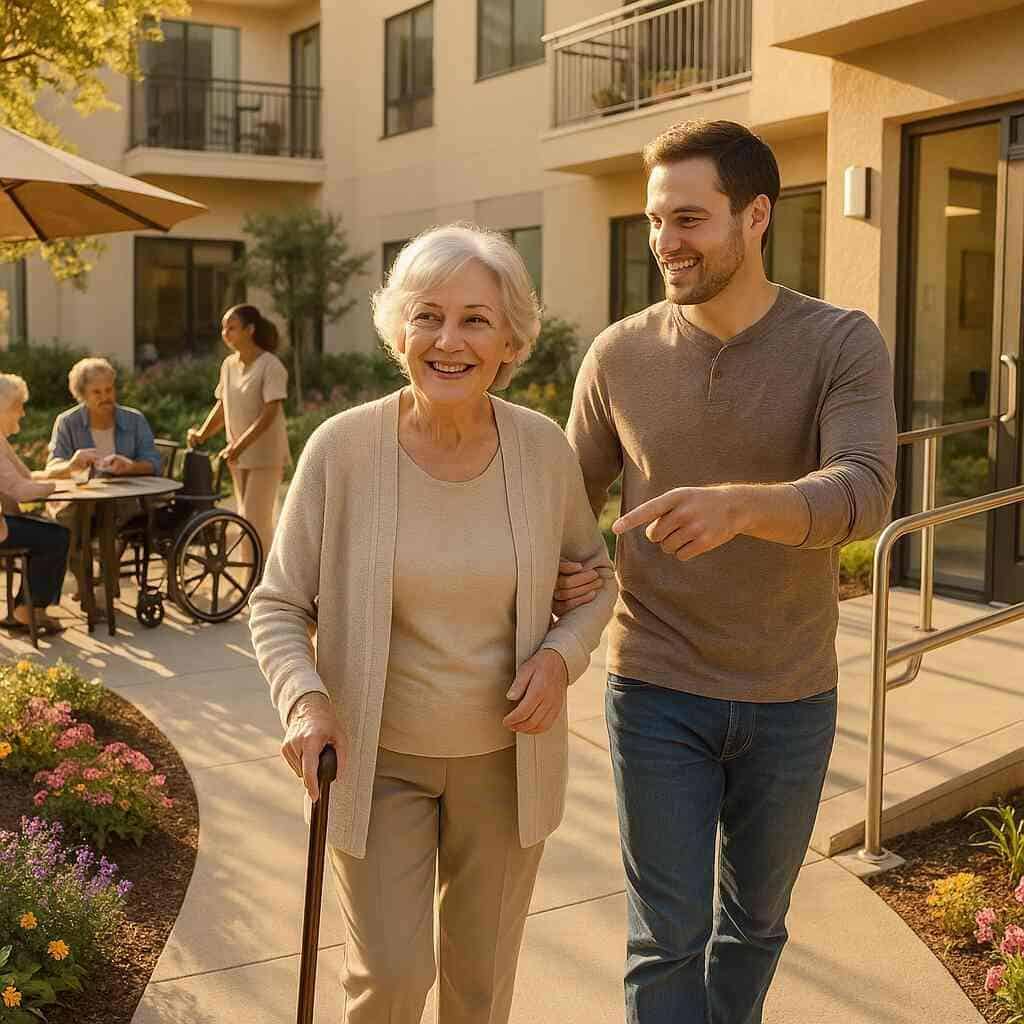
The transition checklist aligning medical social and environmental needs
First, build a transition checklist for senior care that unites doctors, therapists, and family into one clear plan. Include recent lab results, medication lists, and preferred physicians to ensure medical continuity. Pair these facts with social interests, such as choir practice or gardening clubs, so future staff can personalize engagement from day one. Finally, study the new apartment’s layout, confirming grab bars, lighting, and noise levels match sensory preferences. When every detail converges, the continuum of care in senior living starts smoothly instead of reactively.
Moreover, revisit the checklist weekly until settled routines emerge. This method catches unexpected gaps, like missing adaptive utensils or transportation schedules that clash with dialysis sessions. Document each adjustment, then share updates with the interdisciplinary team to promote accountability. Transparent communication keeps minor inconveniences from snowballing into health decline triggers for care transitions. A living checklist transforms complex moves into manageable projects that protect dignity and wellness.
Family dynamics navigating conversations about assisted living with empathy
Opening a discussion about relocating can stir decades of memories and hidden fears. Begin by acknowledging shared goals-safety, autonomy, and meaningful days-before highlighting specific concerns. Instead of accusing, describe concrete incidents, such as repeated stove mishaps, that show when independent living is no longer safe. This approach aligns with best practices for navigating conversations about assisted living without provoking shame. Invite the elder’s voice first, then listen actively; pauses often reveal deeper worries than words.
If tensions rise, involve a neutral party skilled in family mediation during elder care decisions. Mediators reframe blame and refocus dialogue on solutions every member can support. They also help define roles, preventing sibling resentment over uneven caregiving loads. When empathy guides the process, families exit meetings feeling heard rather than cornered. Respectful dialogue lays the groundwork for smoother move logistics and stronger emotional bonds throughout the transition.
Guides on the journey role of geriatric care managers and assisted living locators
A geriatric care manager functions like an experienced pilot through unfamiliar skies. This professional assesses medical complexity, arranges home evaluations, and recommends interventions that delay or guide relocation. Because they understand local regulations, they also vet staffing ratios and quality metrics for senior living near you. Their objective insights ease decision fatigue and ensure every shortlist reflects both budget and health projections.
Complementing that role, an assisted living locator offers granular knowledge of housing options within a desired zip code. These specialists tour properties regularly, comparing senior living facilities amenities from meal plans to therapy pools. They maintain databases on wait-lists, pet policies, and specialized memory wings, information most families struggle to collect alone. Engaging both guides accelerates progress, replaces guesswork with data, and prevents costly missteps that could necessitate another move soon after.
Cost clarity financial planning for long term care and continuum of care options
Planning ahead shields families from sticker shock when entrance fees or care upgrades appear. Start by mapping current income, insurance coverage, and likely out-of-pocket expenses over five-year intervals. Financial planning for long term care should address potential escalation from independent living to skilled nursing, including inflation scenarios. Compare life-care contracts, month-to-month leases, and refundable deposits to see which model aligns with estate objectives.
Next, consult certified financial planners who specialize in elder law and tax implications. They can explain Veterans benefits, reverse mortgage possibilities, and Medicaid eligibility timelines. Pair these insights with a realistic understanding of future service needs like memory care indicators for families tracking progression. Transparent accounting reduces anxiety and empowers elders to choose lifestyle luxuries confidently, knowing essentials remain covered.
Choosing well comparing amenities across communities for seniors 55 plus
Amenities shape daily joy, so evaluate them beyond glossy photos. Tour fitness centers during active hours to gauge equipment availability and staff support. Taste sample menus to confirm nutrition aligns with medical diets, not just marketing promises. When comparing senior living facilities amenities, ask how often schedules rotate to accommodate evolving interests. Variety matters; today’s watercolor class may become tomorrow’s lecture series.
Equally important, examine staffing ratios in assisted living wings where personal assistance occurs. Low ratios often predict quicker response times and deeper relationships, both critical to life satisfaction. For communities for seniors 55 plus, assess peer engagement programs like travel clubs or volunteer teams that nurture purpose. Considering these factors together ensures the chosen community fuels both health and happiness, not merely shelter.
Rights and respect understanding resident protections in long term care facilities
Federal and state regulations guarantee residents control over daily routines, privacy, and medical decisions. Learn these rights before signing any contract, so expectations remain clear. Key protections include the freedom to participate in care planning meetings and the right to voice grievances without retaliation. Understanding rights of residents in long term care facilities also involves examining policies on room transfers, visitation, and personal property security.
Advance planning strengthens these safeguards. Discuss advanced care directives discussion tips with healthcare proxies to document treatment preferences early. Confirm the facility’s process for honoring do-not-resuscitate orders and palliative care wishes. Knowledge empowers families to advocate effectively, ensuring respect persists even when health status shifts. Informed consumers elevate industry standards by demanding transparency and accountability.
Move day and beyond easing emotional impact and fostering social connection
Moving carries psychological weight that rivals physical exhaustion. Minimize the emotional impact of moving to senior housing by preserving familiar routines wherever possible. Unpack treasured items first-family photos, favorite blankets, or a well-used recipe book-to create instant comfort. Schedule welcome lunches with future neighbors, so social bridges form before loneliness can take root. Small gestures accelerate belonging and reduce adjustment anxiety.
Technology tools for monitoring senior wellness continue supporting safety after the boxes disappear. Wearable devices track vitals, alerting nurses to dehydration or irregular heart rhythms. Video portals let loved ones witness smiles, not just hear reassurances. When paired with compassionate onsite staff, these innovations reinforce confidence that the new environment truly safeguards health and identity.
Future forward sustaining purpose and wellness in a seniors living community
Thriving extends beyond the honeymoon phase of relocation. Encourage residents to join governance councils or activity committees, transforming them from recipients to contributors. Purpose fuels cognitive vitality, decreases depression, and enriches community culture. Additionally, explore intergenerational programs where retirees mentor local students, merging wisdom with youthful energy. Such initiatives exemplify the ongoing benefits of communities for seniors 55 plus.
Regular wellness reviews anchor continued success. Reassess mobility goals, dietary needs, and social satisfaction each quarter to catch subtle shifts early. This proactive stance aligns resources swiftly, whether adding physical therapy sessions or exploring new volunteer roles. Over time, the community becomes a dynamic partner in healthy aging, proving that the right move is not an ending but a launching point for renewed possibility.